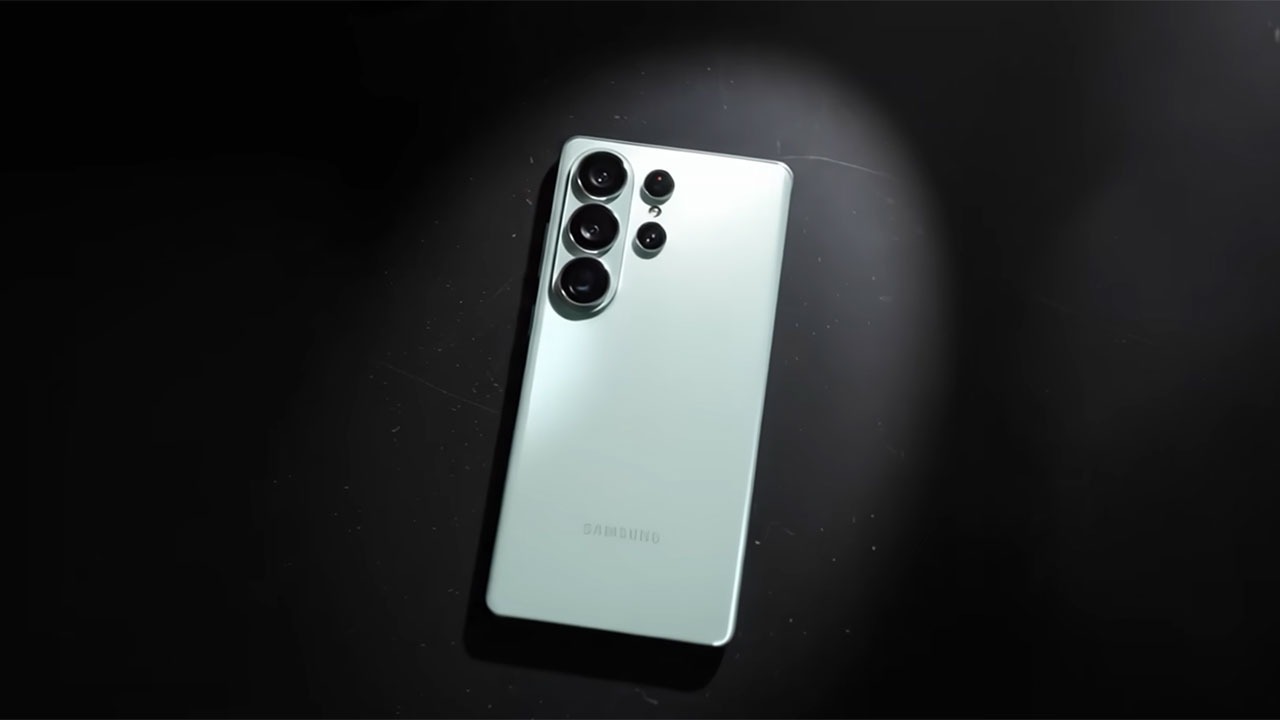

Scam calls and phishing texts have become a daily nuisance, and for some people, a very expensive one. With the Galaxy S26, Samsung is turning its on-device intelligence into a front-line defense, using AI call screening and scam detection to intercept suspicious calls and messages before they can do damage.
The new system goes beyond flashing a basic spam warning. Galaxy AI now answers unknown callers, questions them, and summarizes what they want so owners can decide whether to pick up, hang up, or block the number, while separate protections scan calls and texts for signs of fraud in real time.
Galaxy S26 puts AI between users and unknown callers
The Galaxy S26 family is the first Samsung Galaxy generation to ship with AI call screening built in, a sign that the company sees scam prevention as a core feature rather than an add-on. The phones build on Galaxy AI features introduced earlier, but here the intelligence is applied to one of the most stressful parts of modern smartphone use: the constant stream of unknown numbers and shady pitches that reach people at home, at work, and on the move. The feature is available across the New Galaxy S26 lineup and is presented as a key capability of Galaxy AI, not a niche experiment.
Samsung positions the Galaxy S26 as a premium device that should feel fast and responsive in everyday use, from quick replies to creative tasks, and that same responsiveness now extends to how it deals with potential scams. Product listings for the Samsung Galaxy highlight that the phone keeps things moving effortlessly, and that now includes the way it handles incoming calls and texts that might be malicious. The combination of hardware performance and Galaxy AI services is pitched as a way to let the phone do more of the screening work so the owner does less.
How Call Screening works on One UI 8.5
At the heart of the new protection is Call Screening, which lives inside One UI 8.5 on the Galaxy S26. When an unknown number rings, users can have the AI pick up instead of answering directly. The system speaks to the caller, asks who they are and why they are calling, then transcribes and summarizes the conversation on screen so the owner can see at a glance whether it looks legitimate. Coverage of Galaxy S26 Call describes the process as straightforward once it is enabled, with One UI 8.5 providing a clear interface for watching the AI conversation in real time.
Users are not locked into a single behavior either. Reports on how Call Screening works on One UI 8.5 say that once activated, owners can choose whether the AI should always answer unknown numbers, only respond to specific categories of calls, or simply provide spam labeling while they decide what to do. One detailed explanation notes that once activated, users how aggressively the feature intervenes, then either pick up, let the AI continue, or decline and move on. That flexibility matters because some people want maximal automation, while others prefer a light touch that still keeps them in control.
From Pixel-style screening to Samsung’s own twist
The Galaxy S26 series arrives in a world where Google’s Pixel phones have already set expectations for what AI call screening can do. Reports describe the Galaxy S26 phones as effectively gaining a Pixel-style superpower to battle phone scams, with Samsung leaning on similar techniques that let the phone answer first and filter out junk before it reaches the owner. Coverage notes that Galaxy phones get like scam detection capability, bringing one of the most requested protections to Samsung’s flagship line.
Samsung’s twist comes from how tightly Call Screening is woven into Galaxy AI and One UI 8.5 instead of relying on the Google Phone app. Commentators who saw early demos highlighted that Call Screening is new to the Galaxy S26 series and that Galaxy AI now picks up unknown calls, summarizes them, and lets users respond with quick actions or canned replies. One analysis framed this as the first time that Call screening is lineup in a way that feels practical rather than experimental, closing a gap with Pixel while adding Samsung’s own interface and Bixby-driven options.
Scam detection goes beyond voice calls
Call Screening is only one part of the Galaxy S26 security story. Separate reporting details a broader scam detection system that looks for suspicious patterns in both calls and messages, then alerts the user in real time. If the system detects signs of fraud during a conversation or inside a text, the phone immediately warns the owner through sound and vibration so they know something is wrong before sharing sensitive information. One report describes how system detects suspicious clues, it steps in to protect users from online scams, treating voice and text as part of the same threat surface.
On the messaging side, Galaxy S26 devices watch for classic fraud patterns such as urgent payment requests, fake delivery notices, or links that look like banking portals but are not. When those patterns appear, the phone can flag the conversation as risky and suggest that the user verify the request through other channels. Local coverage of the Galaxy S26 Series and Call Screening describes this as an AI solution that helps users block spam calls and manage texts, with the Call Screening feature on One UI 8.5 relying on numbers that are not in the contact list and on language clues to decide how to label each interaction. One report notes that Call Screening feature focuses on callers that are not already trusted, which reduces the chance of false alarms for friends, family, and colleagues.
Setup, everyday use, and privacy questions
For users, the appeal of AI call screening depends on how easy it is to turn on and how much friction it adds to daily calls. Early hands-on impressions of the Galaxy S26 Ultra describe an onboarding flow where, during initial setup, owners choose how Call Screening and Scam Protection should behave. One reviewer highlighted that Call Screening and Scam Protection are treated as two related security features, with Call Screening letting the AI answer incoming calls and Scam Protection scanning for fraud in the background. A detailed look at the Ultra model mentions that Call Screening and are highlighted separately, which helps users understand what each one does and how they work together.
Short clips shared on social media show how this looks in practice. In one widely shared video, the S26’s new Call Screening feature answers an unknown call using AI, asks the caller who they are and why they are calling, then displays the transcript so the owner can decide whether to join or hang up. That clip, tagged with galaxyunpacked and samsungai, demonstrates how S26’s new Call tries to balance convenience with transparency, making it clear when the AI is talking on the user’s behalf. For buyers looking at storage options and colors, Samsung’s official listing for the Galaxy S26 512GB makes it clear that this AI-heavy experience is part of the pitch, not just an optional app to install later.