
Engineers in Australia have found a way to turn discarded peanut shells into high-grade graphene suitable for advanced batteries and electronics. By tapping a waste stream that usually ends up in landfills or low-value uses, the team is linking next-generation energy storage with a circular approach to materials. The method promises cleaner production, lower costs and a new role for agriculture in high-tech supply chains.
The advance hinges on converting the carbon-rich structure of peanut shells into thin, conductive graphene sheets with properties comparable to material made from more expensive precursors. If it scales, the process could support a new class of graphene-based batteries that charge faster, last longer and rely less on fossil-derived feedstocks.
From farm waste to graphene feedstock
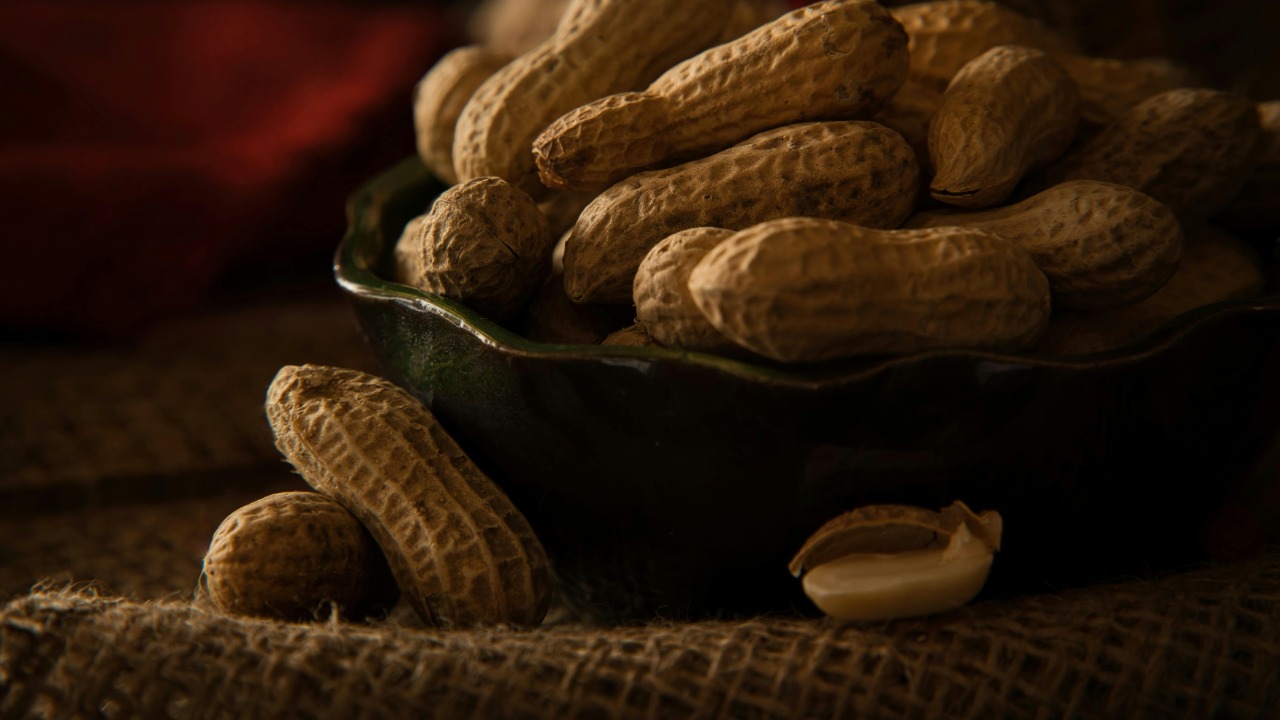
The starting point for the breakthrough is a simple observation: peanut shells are packed with carbon and largely go to waste. Researchers at UNSW Sydney recognised that this agricultural by-product could be more than a disposal problem and instead serve as a cheap, renewable feedstock for advanced carbon materials. Their work shows that leftover shells from peanut processing can be transformed into high-quality graphene suitable for batteries, solar cells and flexible electronics, rather than remaining a bulky waste stream.
In technical terms, the shells contain lignin, a naturally occurring polymer in plants that is rich in carbon and structurally robust. An Australian team reported that this lignin content allows peanut shells to be converted into graphene through a carefully controlled thermal process that preserves and reorganises the carbon network. By using peanut shells instead of mined graphite or petroleum-derived chemicals, the researchers are turning a low-value residue into a strategic material for energy and electronics.
A fast two-step process built around lignin
The conversion pathway is strikingly short. The team uses a two-step method that first heats the shells to around 500 Celsius to produce a carbon-rich char, then applies a flash joule heating step that drives the material to extremely high temperatures for a very brief period. The entire sequence cuts reaction time to about 10 minutes, far shorter than many conventional graphene manufacturing routes that rely on long furnace cycles or complex chemical baths. This rapid thermal shock restructures the carbon into thin, conductive layers while avoiding the extensive chemical etching and purification that typically add cost and environmental burden.
Lignin is central to the process, with the researchers describing it as the key ingredient that makes peanut shells such an effective precursor. Its dense, aromatic carbon structure helps the shells survive the initial carbonisation step with a strong framework intact, which then reorganises into graphene during flash heating. Reporting on the work notes that identifying lignin as the enabler not only improves yields but also simplifies the overall process, since it reduces the need for additives or catalysts. That insight opens the door to testing other lignin-rich agricultural residues as potential graphene sources.
UNSW Sydney’s engineering push
The work sits within a broader program at UNSW Sydney to develop cleaner and cheaper ways to produce graphene for industry. Engineers at UNSW Sydney have described their new peanut-shell route as a way to cut both cost and environmental impact by replacing chemical-intensive methods with a short, electricity-driven process. A university briefing on peanut waste graphene explains that the team is targeting applications in batteries, solar cells and wearable technology, where high conductivity and mechanical strength are essential. By linking a common crop residue to these premium markets, the project illustrates how engineering can bridge agriculture and advanced manufacturing.
The research is led by a UNSW team that includes Professor Yeoh, who has become a central figure in promoting the idea that waste biomass can supply next-generation materials. Coverage of the project notes that Prof Yeoh and colleagues have framed the peanut-shell method as a template that could be adapted to other plant-based waste streams with similar lignin content. In parallel, UNSW Engineering has highlighted the discovery on its own channels, describing how the method introduces electrostatic charging effects during flash heating that help form uniform graphene layers, and pointing to a peer-reviewed paper in Nature Communications that details the underlying physics.
Why graphene from peanuts matters for batteries
Graphene has long been described as one of the thinnest, strongest and most conductive materials known to science, attributes that make it attractive for energy storage. Professor Guan has emphasised that this combination of strength and conductivity allows graphene to act as a powerful additive or active material in electrodes, boosting both performance and durability. Those characteristics explain why graphene is already being explored for lithium-ion cells, supercapacitors and next-generation chemistries, where even small improvements in conductivity and surface area can translate into faster charging and longer cycle life.
Technical guides on graphene batteries describe how graphene-based materials are used as electrode components to enhance charging speed, increase power density and improve thermal management. By integrating graphene into battery anodes, cathodes or current collectors, developers can reduce internal resistance and distribute heat more evenly, which supports higher charge rates without damaging the cell. Reports on mobile-device charging also note that graphene-based electrodes can significantly cut charging times compared with conventional materials, a property that aligns with consumer demand for phones, laptops and electric vehicles that recharge rapidly and operate safely at high power.
Cost, sustainability and the circular economy
Traditional graphene production often relies on energy-intensive processes and hazardous chemicals, which push up costs and limit large-scale deployment in batteries. The peanut-shell approach directly addresses those barriers by using a cheap agricultural by-product and a short, electricity-driven thermal cycle. Analysis of the process suggests that the entire conversion can be completed in about 10 minutes with far lower energy consumption than typical methods, with one assessment indicating that production costs could fall to around 1 US dollar per unit of graphene produced. That combination of low-cost feedstock and reduced processing energy positions peanut-derived graphene as a serious contender for mass-market energy storage.
The sustainability benefits extend beyond cost. By diverting shells from waste streams and embedding them in long-lived technologies such as batteries and solar panels, the process supports a circular economy approach to carbon. Commentators on graphene and the argue that graphene-based batteries are emerging as a key step in clean energy storage because they are faster to charge, longer lasting and more sustainable when sourced from renewable carbon. Peanut-shell graphene fits that vision by tying high-performance materials to agricultural cycles rather than fossil extraction, and by enabling local value creation in farming regions that supply the shells.