
The iPhone 18 Pro is shaping up to be the first Apple handset that treats aperture as a creative tool instead of a fixed spec buried in a datasheet. By moving to a variable system on the main camera, Apple is promising more control over light and depth of field, which should translate into more usable options in tricky scenes and more stylistic freedom for people who like to push their phone cameras.
That shift will not happen in isolation. The variable aperture is tied to a broader rethink of the Pro camera stack, from new optics and sensors to a possible teleconverter and even an aperture ring style control. Taken together, these changes suggest Apple is finally ready to let iPhone 18 Pro owners shoot in a way that feels closer to a compact DSLR than a point and shoot phone.
How variable aperture changes everyday iPhone photos
At its simplest, aperture is the opening that lets light hit the sensor, and a variable system lets that opening grow or shrink depending on what the scene needs. On the iPhone 18 Pro, Apple is testing a main camera that can mechanically adjust this opening, which would let the phone gather more light at night or stop down for sharper detail in bright conditions, instead of relying only on software tricks. Reporting on two major rear camera upgrades notes that Apple is already working with suppliers on this hardware, with Hartley Charlton describing how the company is actively testing the new system.
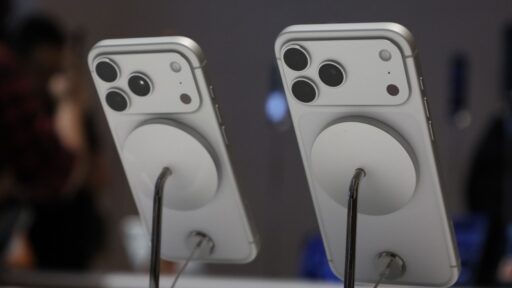
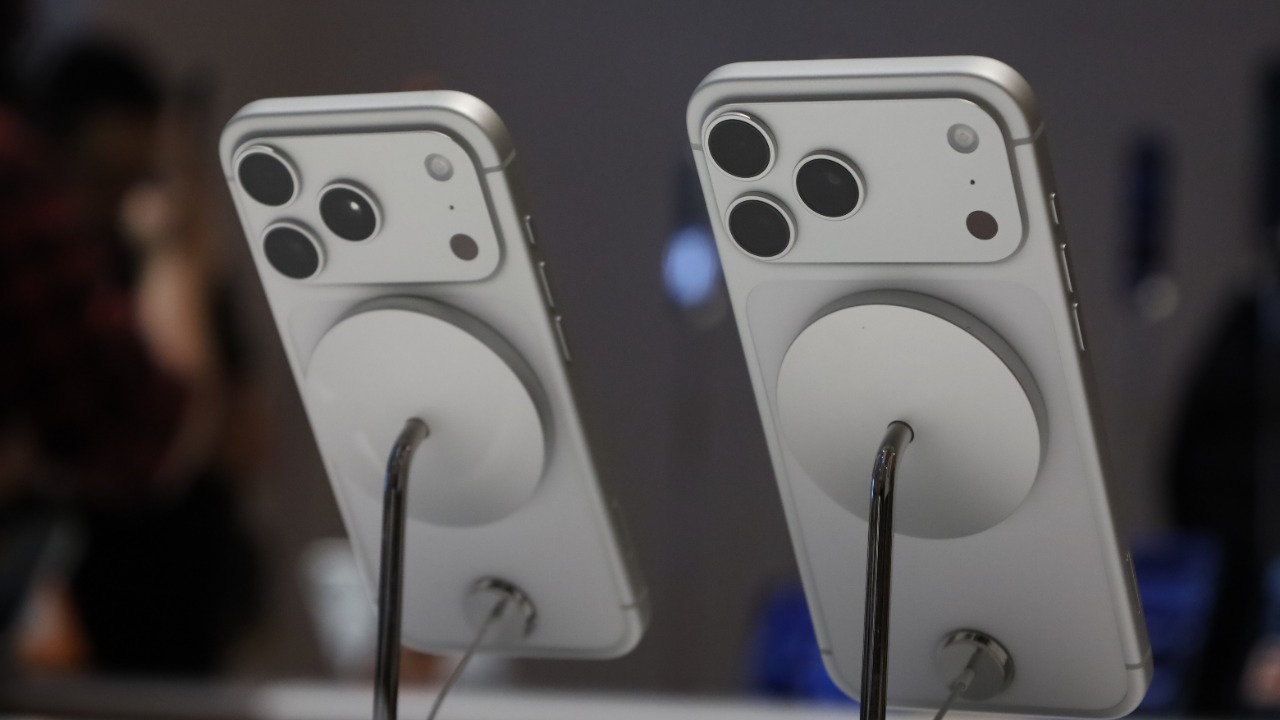
That hardware shift is expected to land on both Pro models, with the iPhone 18 Pro and iPhone 18 Pro Max keeping a familiar overall Design while hiding a more advanced lens stack behind the camera plateau. Earlier coverage of the camera module has already highlighted that the iPhone 17 Pro introduced a wider plateau that could feasibly house moving aperture blades, and Malcolm Owen has pointed out that the iPhone 18 Pro is expected to build on that foundation with a system that lets users benefit from “More aperture, more light,” a phrase that appears in a report that also notes his name and the exact figure 52 in the context of the new hardware.
From rumor to roadmap: Apple’s long flirtation with adjustable lenses
Apple has been circling the idea of adjustable apertures for years, and the iPhone 18 Pro looks like the moment that experimentation finally reaches the main camera. Analysis of why Apple keeps revisiting variable aperture notes that the company wants more direct control over how light enters the camera, both to improve image quality and to give its computational pipeline better raw material to work with. A recent breakdown of those plans explains that a variable system would let Apple fine tune exposure and depth before the software stack even starts processing.
Suppliers have been preparing for this shift as well. Earlier reporting on the iPhone 18 Pro camera module described how the cameras in the new Pro models may be the first to gain a variable aperture system, with component makers like Luxshare ICT and Sunny Optical cited as key partners in bringing the mechanism to life. Those details surfaced in coverage that framed the iPhone 18 Pro as a test bed for more advanced optics, with the Pro line positioned as the first beneficiary of the new parts pipeline.
Teleconverters, aperture rings, and DSLR style tricks
The variable aperture is not the only optical upgrade on the table. Multiple reports suggest the iPhone 18 Pro could also gain a teleconverter, an optical element that increases the effective focal length of the telephoto camera to extend zoom reach. One detailed look at the camera stack describes how this teleconverter would sit alongside the adjustable aperture system, giving the phone a way to push beyond its current zoom limits while still relying on glass rather than digital crops, a combination that has been described as a new and unusual move for Pro hardware.
There are also hints that Apple is exploring more tactile controls for this system. A report on future camera plans describes “The Aperture Topic For 2026” and outlines how Apple is reportedly planning a type of aperture ring for the iPhone 18 Pro and 18 Pro Max, a control that would let users adjust the opening more like they would on a dedicated camera lens. That same analysis notes that this ring concept is part of a broader roadmap that includes an Apple designed sensor, suggesting that Aperture Topic For the next few iPhone generations is about much more than a single spec bump.
Real world benefits: portraits, low light, and video
For users, the appeal of variable aperture is less about mechanics and more about what it does to real photos. A wider opening lets in more light, which should help the iPhone 18 Pro handle dim restaurants, indoor sports, or city streets at night with less noise and faster shutter speeds. A narrower setting, by contrast, can keep more of a scene in focus for landscapes or group shots, while also protecting highlights in harsh sun. One analysis of upcoming upgrades describes the variable aperture lens as “True control for depth and lighting,” arguing that this is the kind of flexibility that smartphone cameras still struggle with, and framing it as a key way Variable optics can close the gap with dedicated cameras.
Portraits and video stand to gain the most. A variable system lets the phone create a more natural background blur at wider apertures, then stop down for sharper eyes and less aggressive bokeh when needed, instead of faking everything with software masks. On the video side, being able to adjust the opening can help maintain consistent motion blur and exposure as lighting changes, which is especially useful for vloggers and mobile filmmakers. A detailed breakdown of camera improvements notes that the iPhone 18 Pro’s main camera will use its adjustable aperture to offer greater control over depth of field while also improving low light performance and preventing overexposure in bright conditions, with those Camera upgrades framed as a central reason to pick the Pro model.
How iPhone 18 Pro stacks up against rivals and future models
Apple is not the first company to experiment with variable apertures in phones, but the iPhone 18 Pro could be the first to make it feel mainstream. A look at broader iPhone 18 leaks describes the camera leap as potentially the biggest since Apple first stacked multiple lenses on the back of the phone, and it highlights how the new system is meant to bring DSLR style creative control into the real world of everyday snapshots. That same overview notes that the Camera changes sit alongside other design tweaks like a smaller Dynamic Island, but still stand out as the upgrade that will matter most to users.
Competition inside Apple’s own lineup is also part of the story. One comparison of upcoming models says the iPhone 18 Pro is rumored to have two camera advantages over the iPhone Fold, with the Pro and Pro Max expected to offer a wider aperture and more advanced optics than the folding device. That framing positions the variable system as a key differentiator for the Fold era, where camera quality will be one of the main reasons to choose a traditional slab phone over a more flexible form factor.