

Big tech companies are entering a legal era that looks less like a product debate and more like a public health inquiry. Families, school districts, and regulators are pressing courts to decide whether social media products were engineered in ways that knowingly pulled children into compulsive use and mental health crises. Mounting lawsuits over teen social media addiction are now converging in a handful of closely watched trials that could reshape how platforms are designed and regulated.
What began as scattered complaints about screen time has hardened into coordinated litigation that targets the business models of Meta, YouTube, TikTok, and others. Plaintiffs argue that design choices such as infinite scroll, algorithmic feeds, and push notifications were not neutral tools but addictive hooks aimed at users whose brains were still developing. Tech executives insist their products connect and empower young people, yet they now face judges, juries, and lawmakers who are weighing whether the costs to children outweigh the benefits.
From scattered suits to a landmark test of liability
The most visible test of these claims is unfolding in Los Angeles, where a first-of-its-kind trial centers on a now 20-year-old Californian identified as Kaley. She and her mother say that four social platforms captured her attention from early childhood, eroded her mental health, and left her unable to put down her phone without spiraling into anxiety. The case, filed in 2023, argues that the companies created addictive products specifically aimed at users whose attention and minds are still developing, and that Kaley became hooked after starting to use the apps around age six.
In court, Kaley has described how nonstop use over more than a decade turned her relationships with friends and family anxious and strained, with bullying and algorithmic recommendations reinforcing harmful content rather than interrupting it. Reporting on the trial notes that the Californian is treated as a bellwether plaintiff for thousands of similar claims, and that her experience is being used to test arguments about design, duty of care, and foreseeability. Lawyers have framed the proceeding as a potential template for future cases that could either validate or undercut the entire theory of social media addiction liability.
Personal testimony puts design choices under a microscope
The legal arguments have been sharpened by deeply personal testimony. In one hearing, the lead plaintiff told jurors she was effectively addicted to social media at age six, describing a childhood defined by endless scrolling and constant comparison. That account has been echoed in other coverage of the Los Angeles proceedings, where Kaley has testified that her nonstop use for more than a decade of apps such as Instagram and YouTube left her unable to function normally without checking feeds. Clinician notes from Burke, a mental health professional who treated her, document bullying on the platforms, conflict at home over screen time, and a pattern in which parental restrictions briefly reduced her app engagement before the cycle resumed.
Those details have become central to the question of whether the platforms merely hosted harmful interactions or actively structured them. One report on the trial explains that Concern has grown globally about how early exposure to algorithmic feeds affects children, with Kaley’s story used as a case study in how design choices such as autoplay and recommendation loops can keep a young user engaged even when the content is distressing. Another account of her testimony notes that Burke’s clinical notes linked her worsening anxiety and school problems directly to app engagement and filters, strengthening the claim that the harm was not incidental but tied to specific product features.
Allegations of buried research and corporate knowledge
Behind the emotional testimony is a more technical allegation: that social media companies knew far more about the risks to teens than they disclosed. One legal analysis describes how internal documents and whistleblower accounts feed into claims that executives saw data connecting heavy adolescent use to depression, self harm, and eating disorders, yet chose to prioritize engagement metrics. The piece, titled Lawsuit Alleges Social, outlines how Allegations against Meta and other firms hinge on whether they buried or minimized internal findings that their products could fuel teen anxiety and compulsive use.
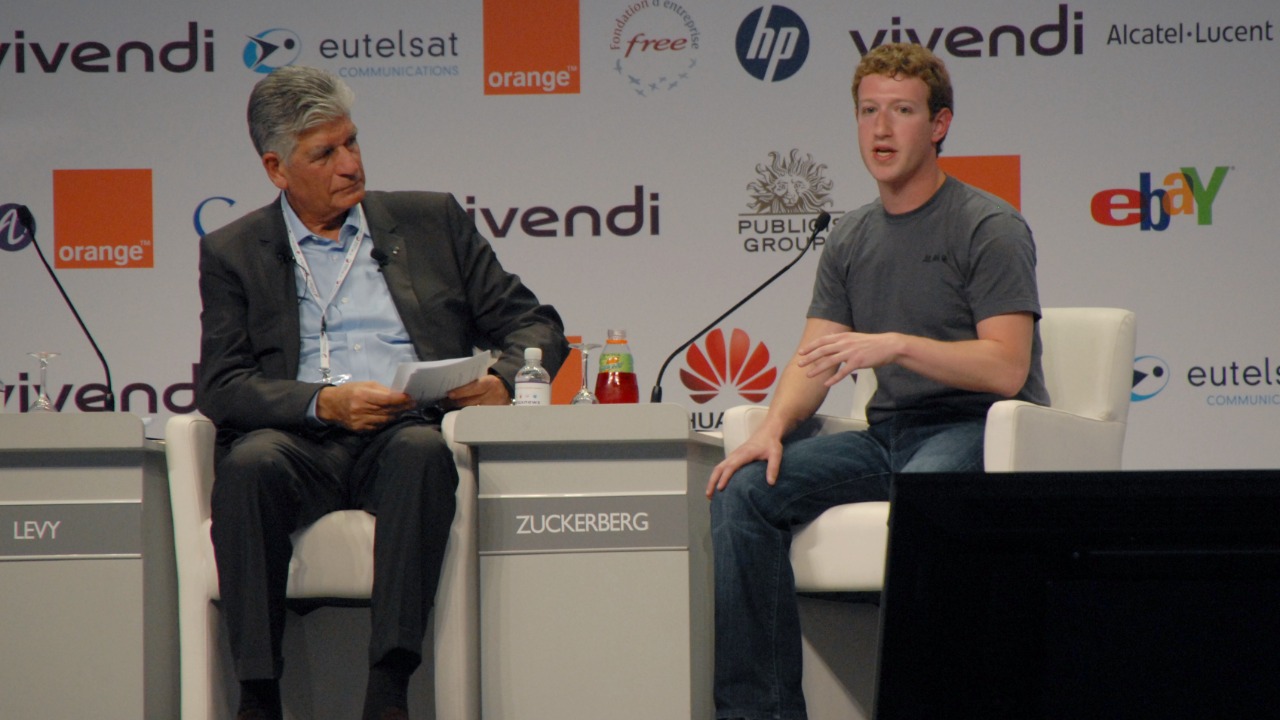
The question of corporate knowledge is especially sensitive for Meta CEO Mark Zuckerberg and Instagram leader Adam Mosseri, who have both publicly defended their platforms as safe for young people when used with parental guidance. A separate report on Instagram litigation notes that teens and young adults are filing suits that claim the platform caused severe mental health problems, and that the Instagram Mental Health Lawsuit page at King Law highlights how potential damages could range from lower settlement values to larger awards for plaintiffs who can show a valid claim for damages. That Instagram Mental Health overview also references Discovered reporting that Instagram Mental Health Lawsuit Update at King Law cited from Reuters, which described how the platform began alerting parents when teens searched for suicide related content while the United Kingdom weighed a social media ban for children.
Courts, school districts, and a shifting legal foundation
The litigation wave is not limited to individual families. School systems and public entities are testing whether they can hold platforms responsible for the costs of student mental health crises. In Kentucky, a federal judge recently allowed a case brought by a school district to move toward trial, rejecting arguments that the claims were barred outright. The decision, summarized in a legal briefing titled Federal Court Clears, explains that The Court’s Ruling on Feb allowed Claims Against Major Social Media Companies For Trial on theories that their apps allegedly encourage risky behavior among students. That case signals that institutional plaintiffs may be able to argue direct financial harm from counseling, absenteeism, and disciplinary costs tied to platform use.
At the same time, judges are beginning to define how far long standing internet protections reach. A 2026 outlook on youth social media addiction litigation notes that Section 230 and Failure to Warn Claims Survive in at least one California case, where a federal judge allowed negligence and failure to warn claims to proceed. The Section 230 discussion argues that if more courts conclude that design choices fall outside traditional content immunity, plaintiffs will have a stronger legal foundation that could either drive individual verdicts or catalyze large scale settlements. Together with the Kentucky ruling, these decisions suggest that the shield protecting platforms from user generated content claims is being narrowed when the alleged harm flows from product architecture rather than a specific post.
Political pressure, global moves, and the “tobacco moment” analogy
Legal pressure is being amplified by political and regulatory scrutiny. The U.S. surgeon general, Murthy, has called for warning labels on social media platforms similar to those on tobacco and alcohol, arguing that parents deserve clear signals about potential risks. Members of Congress such as Marsha Blackburn of Tenn and Richard Blumenthal of Conn quickly seized on that proposal to push their own legislation that would tighten safeguards for minors. Coverage of Murthy’s proposal in one analysis suggests that a formal warning label could both educate families and strengthen plaintiffs’ arguments, since official recognition of risk often helps courts see alleged harms as foreseeable.