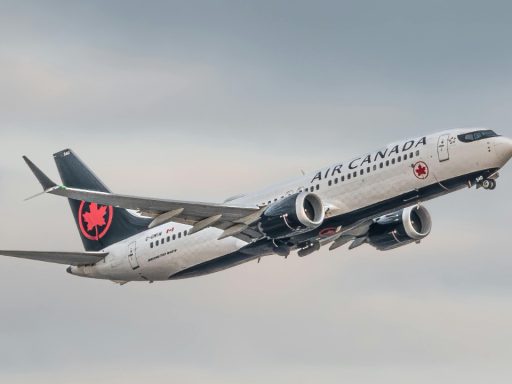
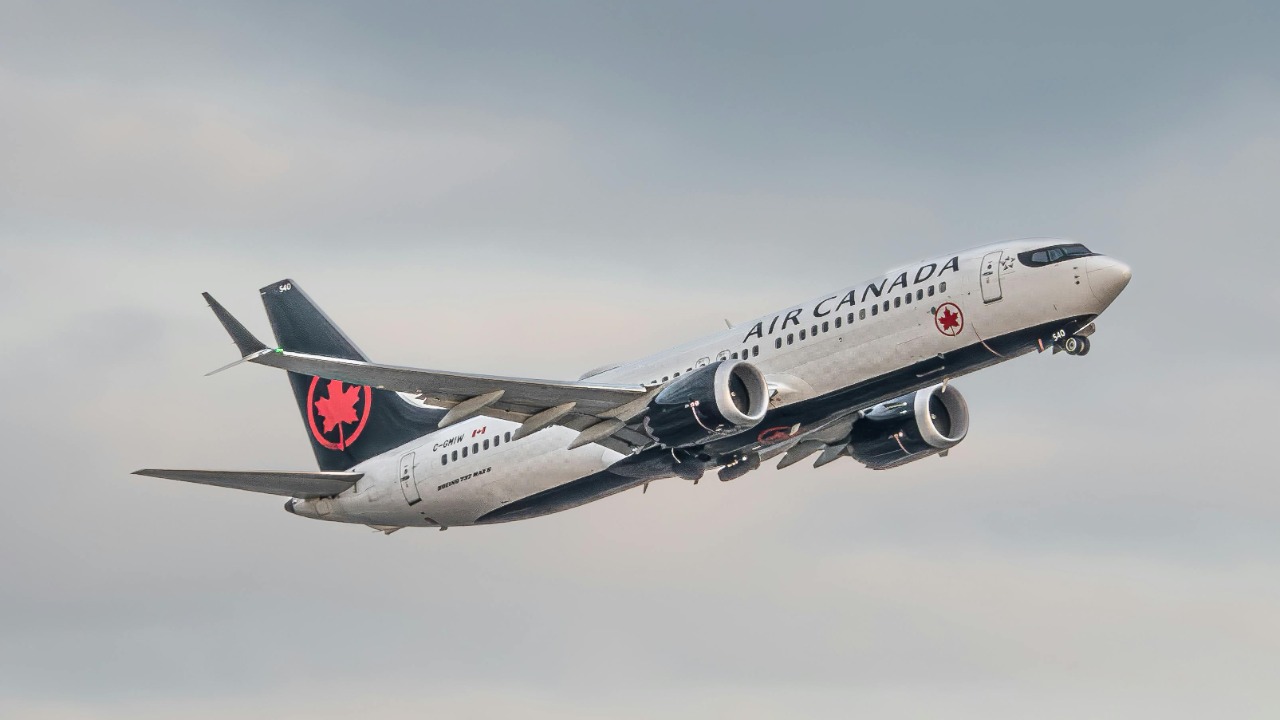

Aviation Capital Group has placed an order for 50 Boeing 737 MAX aircraft, marking a significant expansion of its leasing portfolio and a clear bet on sustained demand for fuel-efficient narrowbody jets. The deal, which represents Boeing’s first order of 2026, doubles Aviation Capital Group’s commitments to the 737 MAX family and signals renewed confidence in the type after its return to service. For both the lessor and the manufacturer, the agreement underscores a growth strategy that is closely aligned with airlines’ push to cut fuel burn and operating costs.
Order Announcement Details
The new agreement sees Aviation Capital Group, commonly known as ACG, order 50 Boeing 737 MAX aircraft as a fresh addition to its backlog, with the transaction announced in early 2026 as part of a broader fleet planning update. Reporting on the deal notes that the 50 aircraft are incremental to ACG’s existing commitments to the 737 MAX family, rather than conversions from earlier orders, which means the lessor is expanding its overall exposure to the type rather than reshuffling its book. By adding a discrete block of 50 jets, ACG is positioning itself to respond to airline customers that are looking for modern single-aisle capacity without taking on the balance-sheet burden of direct purchases.
The order tops up Aviation Capital Group’s existing 737 MAX commitments and strengthens its position in the aircraft leasing market by giving it a larger pool of identical or closely configured aircraft to place with carriers worldwide. According to details highlighted in aerotime, the transaction is framed as a portfolio growth move that will allow ACG to offer airlines more flexibility on delivery timing and cabin layouts within the 737 MAX family. For lessees, a larger, standardized pool of aircraft can translate into more competitive lease rates and easier fleet integration, while for ACG the scale effect can improve residual value management and remarketing options over the life of the assets.
Boeing’s 2026 Kickoff
For Boeing, the Aviation Capital Group deal is particularly notable because it is described as the manufacturer’s first order of 2026, giving the year an early boost in its core narrowbody program. Coverage of the transaction explains that Boeing’s 1st order of 2026 comes from ACG adding 50 737 MAX to its backlog, a milestone that provides a visible starting point for the company’s sales campaign after a period of intense scrutiny on production quality and delivery schedules. As outlined in aerospace global news, the order effectively doubles ACG’s commitments to the 737 MAX family, which also helps Boeing demonstrate that repeat customers are willing to deepen their exposure to the type.
The 50-plane order positions Boeing to build on recent production ramps for the 737 MAX series, which have been constrained by supply chain bottlenecks and regulatory oversight but remain central to the company’s financial recovery. Reporting on the agreement notes that the deal arrives as Boeing receives a 50-plane order from Aviation Capital Group, providing a timely boost amid ongoing supply chain recoveries and giving the manufacturer more visibility on future output planning. With a large lessor committing to additional frames, Boeing can better align its supplier base, workforce planning, and capital spending with a clearer view of demand, while airlines that lease from ACG gain confidence that the industrial system behind their future aircraft is stabilizing.
Aviation Capital Group’s Strategic Expansion
Aviation Capital Group is using the 50-jet commitment as a cornerstone of its long-term growth strategy, with the company explicitly focusing on high-demand narrowbody aircraft for global lessees. According to details cited in avitrader, ACG strengthens growth plans with a major 737 MAX order that is intended to align its fleet with the aircraft types airlines most want to operate on short and medium-haul routes. By concentrating capital on a single-aisle platform that offers strong fuel efficiency and commonality benefits, ACG is aiming to keep utilization high and minimize transition costs when aircraft move between lessees, which is a key driver of profitability in the leasing business.
The company is also growing its portfolio with an order for 50 Boeing 737 MAX aircraft that will enhance its fleet offerings for airline clients across different regions and business models. Reporting on the transaction emphasizes that Aviation Capital Group tops up 737 MAX commitments with a fresh order for 50 jets, aligning with long-term leasing market trends that favor younger, more efficient aircraft and flexible lease structures. As summarized in streetinsider, the deal is framed as a way for ACG to support airlines that are renewing fleets, opening new point-to-point routes, or replacing older narrowbodies, which in turn can deepen customer relationships and support higher renewal rates when leases expire.
Market and Industry Implications
The order for 50 Boeing 737 MAX jets by Aviation Capital Group reflects renewed confidence in the type’s safety and efficiency after the certification updates and operational experience accumulated since its return to service. Analysts cited in coverage of the deal point out that a large lessor committing to additional 737 MAX aircraft signals that financiers are comfortable with the technical fixes and regulatory oversight that now surround the program, and that they see sustained demand from airlines for the aircraft’s fuel burn and emissions advantages. As noted in flightglobal, the transaction is part of a broader pattern in which leasing companies are channeling capital toward new-technology narrowbodies, which are expected to remain the workhorses of global fleets for the next decade.
The deal also has implications for pricing and availability in the leasing market, since Boeing receives a 50-plane order from Aviation Capital Group that will feed into the pool of aircraft available for operating leases in 2026 and beyond. Reporting from investing.com explains that a larger pipeline of 737 MAX deliveries into lessor hands can influence lease rate factors, residual value expectations, and the bargaining power of airlines that are comparing leasing against direct purchase. For carriers that prefer asset-light strategies, the expansion of ACG’s 737 MAX portfolio could mean more options on delivery slots and contract terms, while for Boeing the presence of a strong lessor partner helps ensure that production slots are filled even when individual airlines adjust their own order books.
Positioning Within the Leasing Landscape
Within the competitive landscape of aircraft leasing, Aviation Capital Group’s move to secure 50 additional 737 MAX aircraft is a statement about where it wants to sit relative to larger rivals that already hold extensive narrowbody portfolios. By committing to a significant block of a single family, ACG is signaling that it intends to be a go-to provider of 737 MAX capacity for airlines that either cannot or do not wish to secure direct orders with Boeing. Details highlighted in businesswire describe the order as a way for ACG to grow its portfolio in a manner that is tightly aligned with customer demand patterns, particularly in markets where traffic growth is strong but balance sheets remain under pressure.
The structure of the order, which is presented as a clean addition to ACG’s backlog rather than a reshuffling of existing commitments, also gives the lessor flexibility to tailor placements across different geographies and airline business models. According to information summarized in pr newswire, the company is framing the 50-jet deal as part of a long-term plan to support both established network carriers and fast-growing low-cost operators that are expanding point-to-point services. For the broader industry, that approach suggests that lessors will continue to play a central role in financing fleet renewal and growth, particularly in regions where access to capital markets is uneven and where airlines rely on leasing to manage capacity through economic cycles.