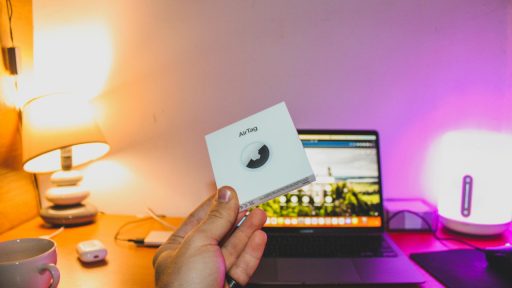
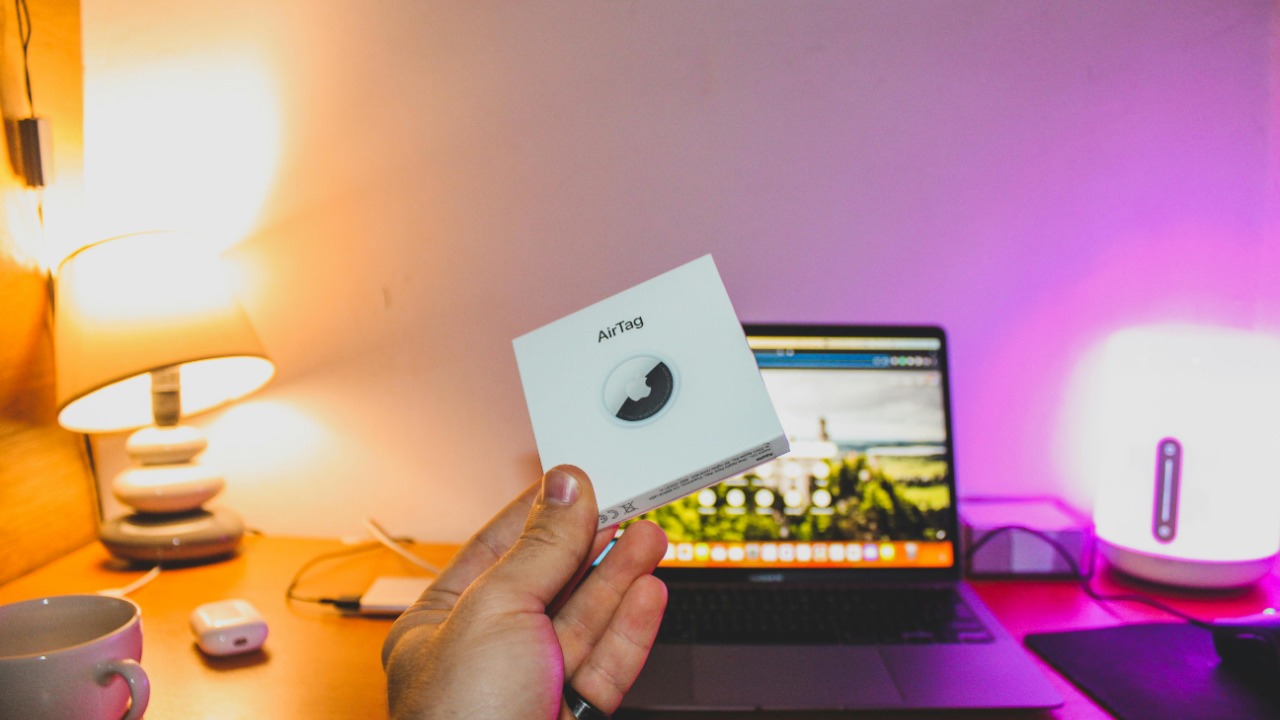

Apple has quietly turned one of its smallest gadgets into its first big hardware story of the year, unveiling a second-generation AirTag that can be found from farther away and heard more easily when it goes missing. The new tracker keeps the familiar coin-like design but stretches both Bluetooth and Ultra Wideband performance so keys, bags, and even checked luggage stay on the grid for longer. It is a modest-looking update on the surface, yet the wider tracking range and louder alerts signal a more ambitious role for Apple’s location network.
I see this AirTag 2 as less of a niche accessory and more of a test of how far Apple can push ambient computing without feeling intrusive. With a price that still targets impulse buys and a feature set tuned for everyday mishaps, the company is betting that better range, clearer sound, and tighter integration with the Find My ecosystem will be enough to keep rivals at bay and regulators satisfied.
What actually changed in AirTag 2
The second-generation AirTag looks almost identical to the original disc, but inside, Apple has swapped in a newer Ultra Wideband chip that extends how far away you can still get a precise arrow to your lost item. Reporting on the launch notes that the new AirTag 2 features longer Bluetooth and Precision ranges in the Find My app, which means that even if your backpack is buried under a pile of coats or left at the far end of a parking lot, your iPhone can still guide you in with on-screen directions. The same reports emphasize that this is not just a spec bump, it is a practical expansion of the bubble in which AirTag feels “instant” instead of relying on strangers’ devices.
Sound is the other big hardware story. Apple’s own announcement, echoed in early hands-on coverage, says the new AirTag is 50% louder than the original, a change you will notice the first time you trigger a ping from the couch and hear it cut through TV noise and dishwasher hum. Multiple breakdowns of the device describe a redesigned speaker that pairs with the updated Ultra Wideband hardware to make the chirp more directional and easier to locate in a cluttered room, a car trunk, or a crowded suitcase, a combination that directly addresses one of the most common complaints about the first model.
How Apple’s network makes the range matter
Raw radio range only tells part of the story, because AirTag 2 still leans heavily on Apple’s massive crowdsourced location grid. The company’s own Find My network description stresses that hundreds of millions of Apple devices quietly help locate lost items, relaying encrypted location pings back to the owner. With AirTag 2, that same mesh is paired with stronger Bluetooth and Ultra Wideband signals, so your tag can be picked up from farther away by passing iPhones and Apple Watches, shrinking the dead zones where a lost bag might otherwise disappear.
Apple’s Newsroom materials frame this as a quality-of-life upgrade for people who misplace belongings every single day, but it also reinforces how central the Find My ecosystem has become to Apple’s hardware strategy. The same Ultra Wideband technology that powers AirTag 2’s Precision Finding is already woven into recent iPhone and Apple Watch models, and coverage of the second-generation tracker highlights that it uses Apple’s newer Ultra Wideband chip to tap into that installed base. In practice, that means the more Apple gear you and people around you carry, the more useful each tiny tag becomes.
Louder alerts, safer tracking
One of the most consequential tweaks in AirTag 2 is not about finding your own stuff, it is about making it harder to track someone else without their knowledge. Apple’s announcement of the new model, amplified in coverage that focuses on safety, repeatedly calls out a Louder Speaker that is designed to be more noticeable when an unknown AirTag is moving with you. Reports on the device describe how the updated sound profile, combined with software alerts on iPhone and Android, is meant to surface unwanted trackers faster and reduce the window in which someone could be followed.
At the same time, Apple is pitching the louder chirp as a convenience feature for forgetful owners. Early write-ups of Apple’s new AirTag emphasize that the boosted audio makes it easier to stay on top of your stuff, especially in noisy environments like airports or busy offices. Another analysis of the launch notes that Apple AirTag (2nd is still priced at $29 at Apple, Inc., which keeps it accessible enough that people can drop one into a gym bag or glove compartment without much deliberation. In my view, that combination of low price and higher-volume alerts will likely increase how often people rely on sound instead of maps to recover what they have misplaced.
How it compares to the original AirTag
On paper, AirTag 2 is a classic Apple iteration: same look, better guts. Detailed comparisons between the two generations point out that the new model improves on the original tracker tag in multiple ways, from range to audio output, while still working inside the same Find My interface. One breakdown of AirTag 2 vs. argues that if you need more precise tracking in tight spaces like a closet or a purse, the newer model’s Ultra Wideband chip and louder speaker make it the obvious choice, while owners of a small fleet of first-generation tags can still rely on them for less demanding jobs.
Other coverage underscores that the second-generation AirTag is Apple’s first big hardware refresh of 2026 and the first-ever upgrade to this product line. One report notes that The Apple AirTag is getting a long-awaited revamp that lets it be detected from farther away than the previous generation, while another piece describes how Apple Quietly Releases AirTag 2 as its first new product of the year. From a buyer’s perspective, that means the original model is now clearly the budget option, while AirTag 2 is the default pick for anyone starting from scratch.
Pricing, availability, and where it fits in Apple’s lineup
Apple is not treating AirTag 2 as a limited or experimental release. The company has already updated its main AirTag product page to highlight the new model, and retail listings already show the second-generation hardware as the standard option. Shopping portals that track Apple accessories list the updated product alongside cases and key rings, while another catalog view of the product confirms that it is already filtering into third-party storefronts. A separate listing for the same product shows it grouped with other Apple location accessories, reinforcing that this is now a core part of the ecosystem rather than a side experiment.
From a broader lineup perspective, Apple is clearly positioning AirTag 2 as a small but essential companion to iPhone, iPad, and Apple Watch. The company’s UPDATE on the new AirTag stresses how tightly it is woven into Apple Services and Apple Stories inside the Newsroom hub, while a separate overview of the AirTag 2 launch notes that Apple introduced the second-generation tag with features that warn you when you inadvertently leave items behind. Retail-focused coverage of product bundles suggests that Apple expects people to buy AirTag 2 in multipacks for travel, commuting, and home use, not just as a one-off gadget.