
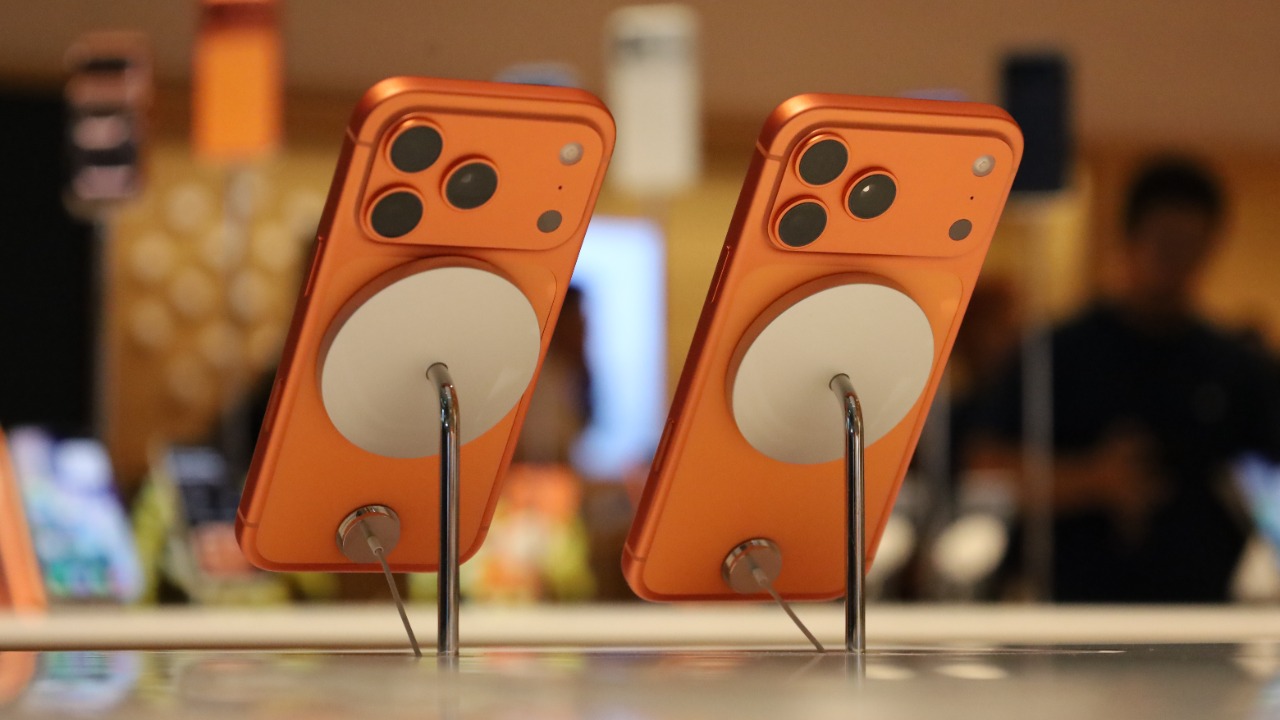

Apple is preparing to launch the iPhone 18 into a global memory crunch, yet it is signaling that the entry price will not move. Instead of passing higher RAM and storage costs on to buyers, the company is positioning itself to absorb the hit and lean on its scale to ride out the turbulence.
The strategy, outlined by veteran supply chain analyst Ming-Chi Kuo, suggests Apple sees more value in protecting demand and market share than in guarding short term margins. It also hints at how aggressively the company expects to push memory upgrades in the next generation of its flagship phone.
Apple’s pricing bet in a tightening memory market
According to supply chain reporting, Apple is facing a sharp rise in the cost of RAM as shortages ripple through the smartphone industry, yet it still intends to keep the iPhone 18 starting price level with the current generation. Ming-Chi Kuo has indicated that Apple will hold the line on the base model even as memory suppliers raise quotes, a stance that runs counter to the usual pattern of component inflation flowing straight into retail prices, and that view is echoed in separate analysis that says Apple wants the iPhone 18 to launch without a sticker shock for upgraders who are used to the iPhone 17 price band, keeping the new device within familiar territory for consumers who are already stretched by higher subscription and accessory costs, as seen in early iPhone 18 coverage.
The same theme runs through other supply chain checks that describe Apple as willing to shoulder more of the bill for DRAM and NAND rather than risk slowing unit sales, with one detailed breakdown noting that the company is prepared to absorb higher memory costs on the iPhone 18 and related products so that the entry configuration can stay anchored where it is today, even as rivals are pushed toward price hikes by the same shortages, a stance that is reinforced by reporting that the iPhone 18 starting price is expected to remain steady despite rising DRAM costs, a point underscored in analysis of Apple’s pricing plans.
Inside the DRAM crunch and Apple’s supply playbook
The backdrop to this pricing decision is a global squeeze on DRAM, the low power memory that underpins everything from phones to AI servers, which is tightening just as smartphone makers plan more RAM heavy devices. Analysts tracking the memory market say DRAM shortages are set to hit handset manufacturers throughout 2026, with Apple singled out as one of the companies that will have to navigate higher input costs and constrained supply, a dynamic that is already being flagged in coverage of how DRAM shortages could affect the iPhone 18 lineup.
Rather than retreat, Apple appears to be leaning into the disruption, using its scale and balance sheet to secure capacity while competitors scramble, with one analysis arguing that the company’s best move for the iPhone 18 launch is to absorb DRAM costs and use the market chaos to its advantage, locking in supply and relying on its services revenue to cushion the blow to hardware margins, a strategy that is framed as a deliberate attempt to turn volatility into a competitive edge in reporting on Apple’s launch plan.
What Ming-Chi Kuo sees in Apple’s negotiations
Ming-Chi Kuo, one of the most closely watched supply chain analysts covering Apple, has described a company that is scrambling to shield consumers from a global memory crisis that is threatening to push iPhone 18 prices higher. In his view, Apple is preparing to absorb the cost of rising RAM prices in its next round of supplier talks, even as those negotiations are complicated by tight capacity and strong demand from AI data centers, a tension that is highlighted in reporting that quotes the supply chain expert’s warning that Apple will face tough choices in its next negotiating round as it tries to keep RAM costs in check.
Other coverage of Kuo’s analysis describes Apple as moving quickly to secure enough DRAM for the iPhone 18 and related devices, even if that means paying more in the short term, with one report saying Apple is scrambling to shield consumers from the global memory crisis and is ready to absorb those costs to keep prices flat, while also warning that the company will have to navigate a difficult balance between supply security and profitability as it heads into its next negotiating round with memory suppliers, a scenario laid out in detail in a breakdown of how Apple is scrambling to manage the RAM crunch.
How much RAM the iPhone 18 might actually ship with
Holding the starting price steady would be a far bolder move if Apple is also planning to increase the amount of memory in the iPhone 18, and early leaks suggest that is exactly what is on the table. One report focused on the base model says the iPhone 18 is set for more RAM, with indications that the standard version could move to 12 GB, bringing it closer to the company’s more expensive phones and narrowing the performance gap that has traditionally separated the entry device from the Pro tier, a shift that would make the RAM boost one of the headline upgrades compared with the iPhone 17, according to a leak that describes how the iPhone 18 set of changes will emphasize memory.
On the higher end, separate rumor tracking has outlined potential RAM configurations for the iPhone 18 Pro and Pro Max, noting that while the iPhone 18 Pro and Pro Max are still around eight months away, multiple sources have already converged on expectations for larger memory pools, including references to an iPhone Air: 12GB configuration in the same family of devices, a sign that Apple is treating RAM as a core part of its performance story across the lineup, as summarized in a roundup that groups together what Here are the key memory rumors so far.
Margins, market share and who pays for the RAM
If Apple is paying more for DRAM and possibly shipping more of it in every box, the question becomes where that money comes from, and early analysis points squarely at the company’s own margins. One detailed breakdown of the iPhone 18 business case says the tech major might absorb much of the rising component costs, with the iPhone 18 series still many months away and expected to arrive in September, while higher memory costs will hit profitability even as Apple tries to keep the starting price unchanged, a tension that is spelled out in coverage of how iPhone 18 series could pressure earnings.
Another analysis is even more direct, stating that higher memory costs will hit Apple’s gross margins, but that the company still plans to avoid iPhone price hikes due to the memory dearth, with the Cupertino company expected to lean on its broader ecosystem and services growth to offset the impact, a view captured in a note that says higher memory costs will hit margins across the AI supply chain even as Apple plans to hold the line on iPhone pricing.