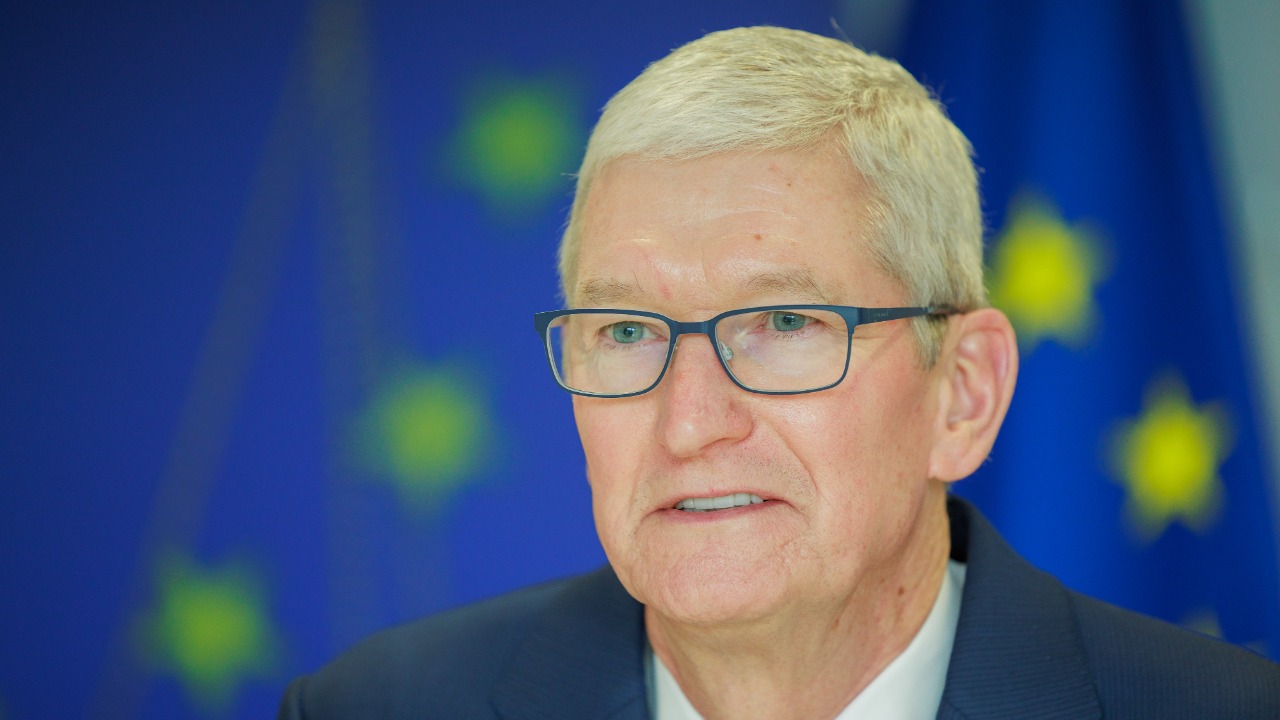

As of November 9, 2025, the technology world is buzzing with the idea of Apple moving at a faster pace into the field of artificial intelligence where the company has traditionally been playing catch-up but is currently pushing forward with strategic accuracy. In the Apple fiscal Q4 2025 earnings call on October 31, 2025, the CEO Tim Cook gave a key update that a total Siri overhaul as part of the Apple Intelligence project is on track to have a planned release in early 2026. This redesign is not just superficial, but will entail introducing new models of AI to make Siri more personal, context-aware, and able to perform complex and multi-task tasks. Other comments of Cook also highlighted the growth of AI alliances, going beyond its first relationship with OpenAI to a potentially ground breaking $1 billion-per-year agreement with Google to integrate a customized implementation of Google Gemini AI into Siri. This partnership may restructure the purpose of the virtual assistant in the Apple ecosystem, integrating on-device experience with cloud computing with the necessity to maintain the same focus on privacy and security characteristic of the company. In this in-depth analysis, we will examine what Cook said in detail, the changing nature of the alliances, the technical complexity of the Gemini integration, the financial and strategic specifics of the Apple-Google transaction, the new features, what it will mean to users, and how it will affect the consumer technology market.
Tim Cook’s Statements on Siri Development
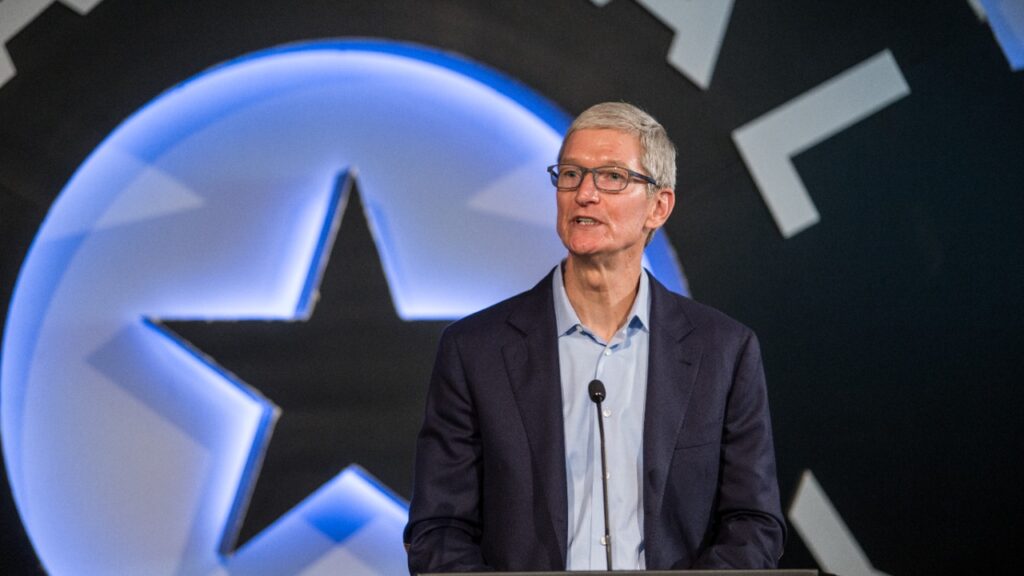
Tim Cook has become quite open regarding the AI direction of Apple, addressing such platforms as earnings calls and interviews to describe the vision of the company. Cook said in the Q4 discussion of earnings on October 31, 2025, that we will also have a more personalized Siri. We are doing well on it and we hope to launch it next year as we have mentioned. This is a slight change in timing to the previous guesses of a 2025 rollout, and is due to intensive testing and revision to release a nationwide across-the-board integration. Cook also stressed the commitment of Apple to AI-based advancements, and he stated that such improvements will use the latest AI tools to make Siri a more useful tool in everyday life.
During a follow-up interview with The Wall Street Journal, Cook explained the scale of the overhaul, which will allow Siri to be more contextual to the user, i.e. recall preferences based on past engagements or predict their needs by paying attention to calendar event data and geographical information. This is in line with the overall approach by Apple to retain a competitive advantage in the AI industry and its competitors such as Google and Microsoft have already launched advanced assistants into the market. The observations made in these earnings calls when Apple reported a robust expansion in services due to AI features, reflect the internal thrust, and teams worked on to build ethical AI development to evade pitfalls such as hallucinations or biases as observed in other models. The news was boosted by X users, including @BGR, who theorized how such would make Siri a genuine competitor to ChatGPT or Gemini in terms of its depth of conversation. With these upgrades, Apple will change Siri into an active companion, which will be in a position to meet new standards of user experience in virtual assistants.
Expansion of Apple’s AI Partnerships
The AI strategy at Apple is shifting towards a multisided system of partnerships with one of the collaborators to a complex set of partnerships. This change was confirmed when Tim Cook said on October 30, 2025, that Apple would integrate with additional AI providers than OpenAI whose ChatGPT technology is already being used to implement some Apple Intelligence features. This was repeated in the October 31 earnings call where Cook implied the possibilities of pursuing mergers and acquisitions to strengthen AI capabilities even more. On November 2, 2025, further information was given with Cook stating that they need to partner with various entities to achieve innovations in other fields such as natural language processing and multimodal AI.
All these AI collaborations become crucial in ensuring Apple benefits by using diverse expertise to make sure that its products are equipped with the best-in-class models without undermining efficiency on-device. An example of this is that OpenAI is capable of doing some generation tasks but can also expand to new partners working on fewer general areas such as image recognition or real-time translation. There were X posts by @urakeitaro pointing at possible integrations with models such as Claude of Anthropic, where a best-of-breed strategy could be taken. Such diversification is not only effective in overcoming the risk of relying on a single provider but also the corporate vision of Apple over the long term, to build an interconnected ecosystem that allows AI to improve not only iOS applications, but also HomeKit devices, creating a more intelligent and user-centered experience.
Integration of Google Gemini into Siri
The fundamental part of the Siri redesign is the addition of Google Gemini AI, the step aimed at boosting the voice interaction, reasoning, and processing feature of the assistant. Gemini, the progressive multimodal system developed by Google, is better with text, pictures, and more video input, which enables Siri to respond even more appropriate and context-sensitive. To illustrate, Siri could be used to request the analysis of a picture in their library and recommend an edit or other information, which is far beyond what is possible at the moment. This partnership will combine the power of the cloud of Gemini and the processing of Apple on the ground, keeping the interaction speeds to almost zero and having the user data protection in place. Apple hybrid strategy where the light models are run locally and complex tasks are taken to the cloud is more focused on privacy and security, where features such as the Private Cloud Compute encrypts the information being transferred. X fans such as @theaibuilders have theorized about Gemini with 1.2 trillion parameters that allow Siri to do more complex tasks, including real-time language translation when on a call or create a personalized workout based on health data. Not only does this enhance performance, but makes Siri a more usable tool in the consumer technology, which may lead to the elimination of having to use third-party applications.
Financial and Strategic Insights

Apple-Google relationship resulted in a 1 billion-per-year deal, which was established approximately on November 6, 2025, to license a customized version of Gemini to Siri. In this transaction Google will provide a 1.2 trillion-parameter model, tailored to the requirements of Apple, and Apple will incorporate it in Siri to make Siri more powerful. It’s a win-win strategically, as Apple can get future-proof AI, without developing all of that in-house, whereas Google can spread its model to the billions of Apple users.
The hybrid arrangement was described in X posts by @joshrubioxyz, in which Gemini does the work of hard cloud-request, and Apple custom-made models do the work of sensitive operations at the device. This partnership, under antitrust regulation of Big Tech mergers, is another sign of how Apple values innovation, with Cook mentioning in interviews that such investments are vital to their ability to meet the expectations of the user in an AI-driven world. On the financial front, the commitment of 1 billion dollars indicates the aggressive spending of Apple on AI, which is expected to grow to more than 10 billion dollars annually in terms of research and development as well as alliances.