
Across the United States, especially in California, Americans spent more than a century enthusiastically planting Australian eucalyptus, convinced they had found a miracle tree for timber, windbreaks, and shade. Only later did communities discover that these fast-growing imports double as vast reservoirs of flammable oil and kindling, capable of feeding fires so intense that branches can explode and trunks can torch like giant candles. The result is a landscape where forests of imported trees now shape how wildfires ignite, spread, and threaten people who never realized they were living inside an engineered fire experiment.
The story of how these trees arrived, why they were planted at such scale, and what to do with them now is not just a quirky botanical footnote. It is a case study in how well-intentioned infrastructure dreams, from the California Gold Rush to the railroad boom, collided with the hard physics of heat, oil, and wind. I see in the eucalyptus saga a warning about the risks we plant into the ground long before we understand how they will burn.
From ornamental curiosity to railroad miracle
The American romance with eucalyptus began as a kind of botanical novelty, when Capt. Robert Waterman brought the trees to California in 1853 as an ornamental import from Australia. Within a few decades, that curiosity turned into a frenzy of planting as promoters promised that Eucalyptus could solve the state’s hunger for timber, fuel, and shelterbelts. The trees grew astonishingly fast compared with native oaks and conifers, and boosters argued that planting them by the thousands would turn treeless hills into productive forests almost overnight.
That sales pitch landed at exactly the moment California was trying to build itself at breakneck speed. During and after the California Gold Rush, settlers and speculators were desperate for wood to frame houses, shore up mines, and lay tracks, and some Aussies helped sell eucalyptus as a fast-growing source of lumber for construction and railroad ties. Later, as the United States expanded its rail network, advocates argued that dense plantations of these Australian trees could supply the ties and poles needed for “heaps of railroads,” a vision that recent reporting has traced through railroad history and early forestry schemes. The dream was simple: plant quick, harvest quick, and let imported trees fuel an American infrastructure boom.
How California covered itself in Australian fuel
Once the idea took hold, Californians planted eucalyptus almost everywhere they could, turning hillsides and coastal bluffs into blue-green walls of imported foliage. Historical accounts describe how Californians lined roads, ranches, and new suburbs with these trees, often favoring blue gum because it shot up quickly and created dense stands. Beyond the push for timber and firewood, landowners and city planners used eucalyptus as windbreaks, shelterbelts, and even as barriers to keep dust and wind from blowing into athletes’ faces on sports fields, a detail preserved in later coverage of the state’s planting craze.
That enthusiasm did not stay confined to California. Across the Pacific world, governments and landowners experimented with eucalyptus plantations, and in Australia itself more than 4 million hectares are now used as eucalyptus plantations for heavy engineering timber, building materials, and fuel in regions where supplies have been severely depleted. In California, the belief that these trees could be the “next gold rush” for lumber persisted well into the twentieth century, a notion that still echoes in local debates about problem groves and fire prevention plans that feature California communities trying to reckon with the legacy of those mass plantings.
Why these trees burn like they were built for fire
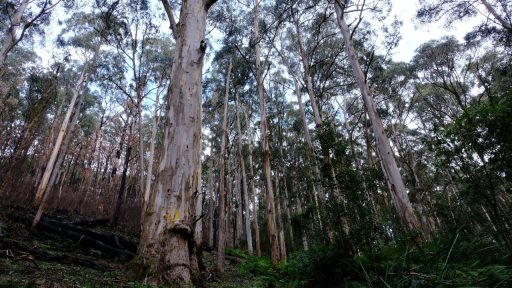
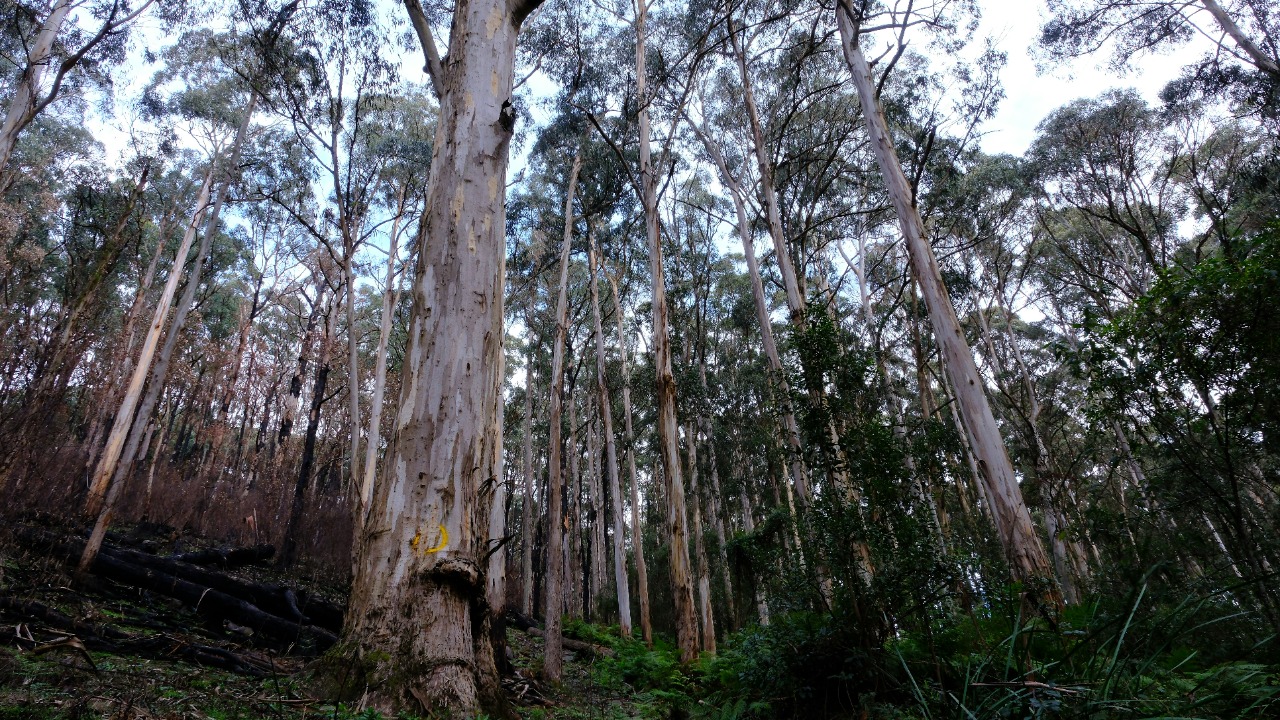
The same traits that made eucalyptus so attractive to early boosters now make them notorious in fire country. Many species evolved in Australian landscapes where intense bushfires are a regular force, and Eucalyptus species have adapted to survive and even benefit from wildfires. They shed long ribbons of bark that dangle and then drop around the base of the tree, creating a skirt of dry fuel that can carry flames up into the canopy. Their leaves and wood are rich in volatile oils that vaporize in heat, turning a grove into a kind of outdoor fuel depot when conditions are right.
Fire scientists and foresters have described how those oils can intensify flames to the point that branches and even whole trees appear to explode, a phenomenon that has seeped into popular culture and online lore. One widely shared post on science podcasts highlighted how Americans effectively planted forests of trees whose oil content can supercharge wildfires, while a viral comment thread on Perfect described how eucalyptus oil vaporizes, making the trees an explosive fire hazard in places like California that already struggle with wildfire. In some Australian ecosystems, these adaptations are part of a natural cycle, but when transplanted into American suburbs and wildland-urban edges, they turn into a fire behavior problem that planners never anticipated.
Widow makers, falling limbs, and urban risk
The danger is not limited to flames. In Australia, there is a long-standing idiom that calls certain eucalypts “widow makers” because of their habit of dropping heavy limbs without warning, even on calm days. Australian writers have noted that They are iconically Australian and beloved by many, but they also have a deadly reputation for sudden branch failure. That risk has followed the trees overseas, where aging groves tower over roads, playgrounds, and homes that were built long after the first seedlings went into the ground.
In the United States, local officials and residents now face a double bind: trees that can drop limbs in fair weather and then behave like giant torches in a wind-driven fire. Australian observers have asked whether eucalypts are really Australian and inherently more dangerous than other species, or whether poor management and placement are to blame. In California, where some groves stand directly upslope from dense neighborhoods, the question is not academic. It shapes whether counties invest in pruning, thinning, or wholesale removal, and whether residents accept the loss of familiar green skylines in exchange for lower risk.
Firestorms, climate, and what to do with a bad bet
Modern fire science has added another layer of urgency to the eucalyptus debate by showing how fuel build-up and climate stress interact. In one analysis of western forests, Jacob Margolis highlighted that tree ring records show fuel buildup beginning in the mid-1800s, around the same era that settlers were suppressing Indigenous burning and filling landscapes with new species. In California, that history overlaps with the arrival of eucalyptus and the growth of dense plantations that were never thinned or harvested as originally planned. As hotter, drier conditions stretch fire seasons, those plantations now sit as continuous belts of fuel connecting wildlands to cities.
Fire behavior experts have warned that some trees do not just resist fire, they actively encourage it, and that Because they withstand fire and need it to regenerate, they can help drive extreme firestorms. That dynamic has been visible in recent incidents where highly combustible Tasmanian gum trees were caught up in an LA blaze, a moment captured in Highly public footage that underscored how imported species can amplify urban fire risk. When I look at those images alongside the long arc of planting decisions, it is hard not to see a straight line from nineteenth century optimism to twenty-first century emergency response.