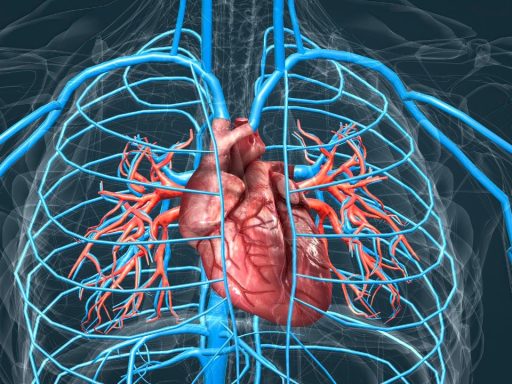
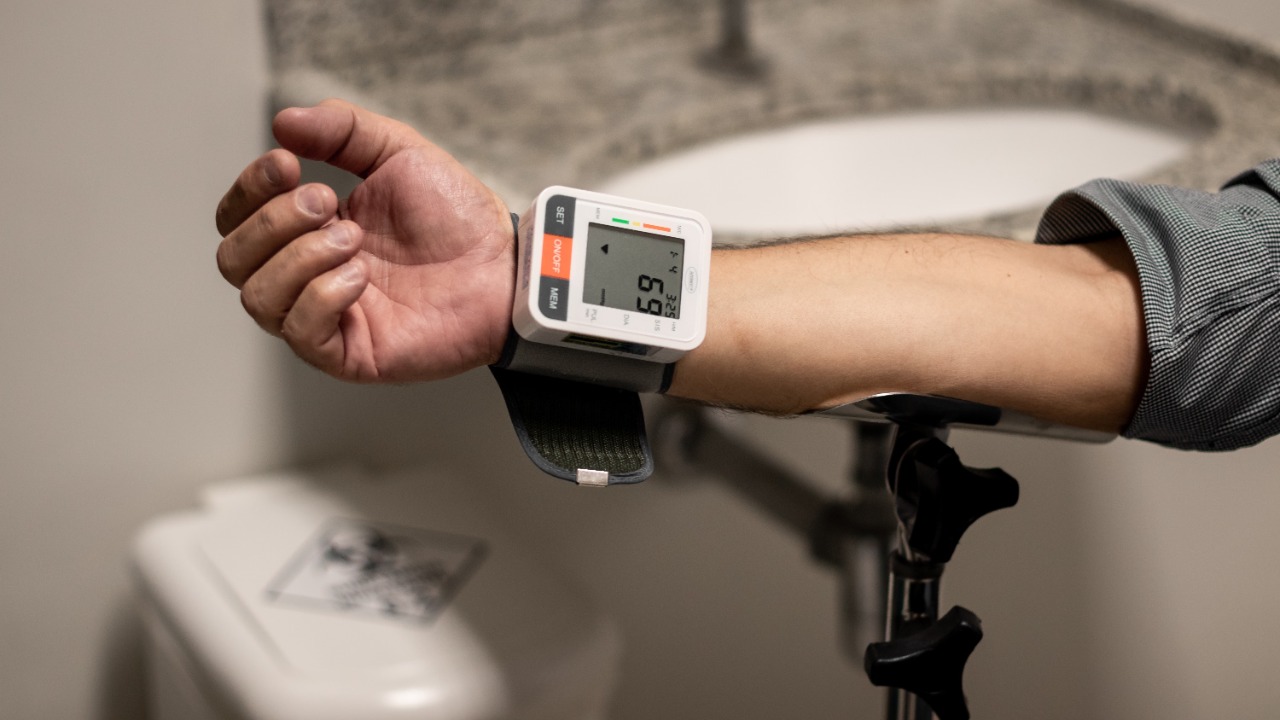

Blood-pressure control is extremely important for people with type 2 diabetes, particularly when kidney disease is already present. High blood pressure can place additional strain on kidneys that may already be damaged by years of elevated blood sugar.
But new research raises an uncomfortable question: Could one commonly used type of blood-pressure medicine actually be associated with worse kidney outcomes in some patients with diabetes?
A study involving more than 31,000 adults with type 2 diabetes found that people taking a widely prescribed group of drugs called dihydropyridine calcium-channel blockers, or DHP-CCBs, had a 33% higher relative risk of major adverse kidney events compared with patients receiving other blood-pressure medications.
The result sounds alarming, especially because this drug class includes amlodipine, one of the most commonly prescribed medicines for high blood pressure.
But there is an important detail that should not be overlooked: the study found an association, not proof that these medications cause kidney damage.
Which Blood-Pressure Drugs Are We Talking About?
The study focused specifically on dihydropyridine calcium-channel blockers.
These medications lower blood pressure primarily by relaxing blood vessels, allowing blood to flow more easily.
Amlodipine is probably the best-known example. Other drugs in the broader dihydropyridine group include nifedipine and felodipine.
Calcium-channel blockers are an established category of antihypertensive medication, and the FDA’s blood-pressure medicine guide includes calcium-channel blockers among the major classes used to treat hypertension.
That widespread use is exactly why the new research deserves attention.
Even a relatively small change in risk could potentially matter when millions of people use these medications.
What Did the Researchers Find?
Researchers examined health records from 31,031 adults with type 2 diabetes who were treated between 2016 and 2021.
The patients were already taking two important classes of medication: renin-angiotensin system inhibitors and SGLT2 inhibitors. These treatments are commonly used in patients with diabetes and kidney or cardiovascular risk.
Among those patients, 12,172—approximately 39%—were also taking dihydropyridine calcium-channel blockers. The remaining patients used other medications for additional blood-pressure control.
Researchers followed the patients for a median of approximately 3.5 years.
After accounting statistically for differences between the groups, DHP-CCB use was associated with a 33% higher relative risk of a major adverse kidney event.
The reported hazard ratio was 1.33, with a 95% confidence interval of 1.03 to 1.73.
What Does “33% Higher Risk” Actually Mean?
This is where health headlines can become misleading.
A 33% higher risk does not mean that 33% of people taking amlodipine will develop kidney failure.
It is a relative increase in risk between the groups studied.
For example, purely hypothetically, if 6 out of 100 people in one group experienced an outcome and the relative risk were one-third higher in another group, the second group’s risk would be around 8 out of 100—not 39 out of 100.
The actual absolute risk depends on the underlying event rates.
That is why relative-risk figures should always be interpreted alongside the study design and the patient’s baseline risk.
What Counted as Serious Kidney Damage?
Researchers were not simply measuring small changes in laboratory results.
Their definition of a major adverse kidney event included either a 40% or greater decline in estimated glomerular filtration rate (eGFR) or progression to end-stage kidney disease requiring dialysis or transplantation.
eGFR is one of the primary measurements physicians use to estimate how effectively the kidneys filter blood.
A small fluctuation in eGFR can happen for many reasons.
A sustained decline of 40% is considerably more significant.
That makes the association clinically interesting even though further research is needed.
Why Are Kidneys Already Vulnerable in Diabetes?
Diabetes itself is one of the major causes of chronic kidney disease.
Persistently high blood sugar can damage the tiny blood vessels and filtering structures inside the kidneys.
Over time, the kidneys may become less effective at removing waste and excess fluid from the blood.
High blood pressure can compound the problem.
Imagine the kidney’s filtering system as millions of microscopic filters exposed to flowing blood.
If pressure inside those filters remains too high for years, damage can accelerate.
That is one reason controlling both blood glucose and blood pressure is so important in diabetic kidney disease.
Why Might These Calcium-Channel Blockers Affect the Kidney?
Researchers proposed a possible biological explanation.
Dihydropyridine calcium-channel blockers can dilate the small blood vessels carrying blood into the kidney’s filtering units.
If those incoming vessels widen more than the vessels carrying blood away, pressure inside the glomeruli—the kidney’s microscopic filters—could increase.
That pressure may matter particularly in diabetic kidney disease because the filtering structures can already be experiencing abnormal pressure and hyperfiltration.
In simple terms, lowering blood pressure throughout the body does not necessarily mean pressure changes identically inside every microscopic part of the kidney.
That difference could potentially explain the observed association.
But “could” is important here.
The study did not directly prove that this mechanism caused kidney damage.
The Patients Were Already Taking Kidney-Protective Drugs
One particularly interesting aspect of the research is that participants were already receiving modern treatments intended to help protect kidney function.
They were taking renin-angiotensin system inhibitors as well as SGLT2 inhibitors.
SGLT2 inhibitors were originally introduced primarily as glucose-lowering medications, but subsequent research established important cardiovascular and kidney benefits.
For example, the FDA’s review of dapagliflozin data from the DAPA-CKD trial found that its overall safety profile in chronic kidney disease was consistent with previous trials and did not show a difference in acute kidney injury events between dapagliflozin and placebo.
Researchers behind the new calcium-channel-blocker analysis had expected these kidney-protective treatments might counteract potential adverse effects.
Yet the association with poorer kidney outcomes remained.
That is one reason the finding attracted attention.
Does This Mean Amlodipine Damages the Kidneys?
No. The study does not establish that conclusion.
This was an observational study.
Researchers looked at what happened to people who had already been prescribed different treatments. They did not randomly assign otherwise comparable patients to receive amlodipine or another medication.
That distinction matters enormously.
Imagine that doctors are more likely to prescribe a particular drug to patients whose hypertension is already harder to control.
Those patients might naturally have a greater risk of kidney problems.
Statistical adjustments can try to account for those differences, but they cannot necessarily remove every hidden factor.
The researchers themselves emphasized this limitation and called for prospective studies and randomized controlled trials.
The Confidence Interval Also Deserves Attention
The reported hazard ratio was 1.33, but its 95% confidence interval stretched from 1.03 to 1.73.
The lower end is only slightly above 1.0, the point representing no difference between the groups.
That does not make the finding meaningless.
It means the precise size of the association remains uncertain.
The real effect, if confirmed, could potentially be smaller or larger than the headline 33%.
That is another reason a single observational analysis should not immediately rewrite medical practice.
Should People With Diabetes Stop Taking Amlodipine?
No—not based on this study, and not without speaking to their doctor.
Stopping blood-pressure medication without medical supervision can cause blood pressure to rise, and uncontrolled hypertension itself can damage the kidneys, heart, brain, and blood vessels.
The researchers described their results as something requiring further investigation rather than evidence that patients should immediately discontinue treatment.
The FDA likewise advises patients taking prescription blood-pressure medicines to discuss relevant risks and medical conditions with their healthcare professionals rather than changing treatment independently.
Someone currently taking amlodipine should therefore not interpret this headline as an instruction to throw away the medication.
Blood-Pressure Treatment Isn’t One-Size-Fits-All
Hypertension can be treated with several drug classes.
These include ACE inhibitors, angiotensin receptor blockers, calcium-channel blockers, beta blockers, diuretics, vasodilators, and other medications. The FDA provides an overview of the major categories and their safety considerations.
Which drug is appropriate depends on much more than blood-pressure numbers.
A doctor may consider:
Kidney function.
Diabetes.
Heart disease.
Age.
Other medications.
Electrolyte levels.
Previous side effects.
Pregnancy.
Blood-pressure severity.
Other medical conditions.
That is why a study about one medication class cannot automatically determine the best treatment for every person.
Kidney Function Should Be Monitored in High-Risk Patients
People with diabetes and hypertension often already undergo regular kidney monitoring.
Common tests include blood measurements used to calculate eGFR and urine testing for albumin.
These measurements help physicians identify deterioration before severe symptoms develop.
Medication interactions matter too.
For example, FDA labeling for the ACE inhibitor lisinopril warns that combining certain drugs in patients with compromised kidney function can increase the risk of deterioration and recommends monitoring renal function in relevant situations.
The broader lesson is not that one blood-pressure medicine is universally dangerous.
It is that kidney function and medication choices need to be considered together.
Kidney Damage Often Develops Quietly
One reason diabetic kidney disease is dangerous is that significant damage can develop without obvious early symptoms.
Someone can feel perfectly normal while kidney function gradually declines.
Symptoms become more noticeable as disease progresses and can include swelling, fatigue, changes in urination, nausea, or other problems—but relying on symptoms alone is not enough.
Regular testing is therefore particularly important for people with diabetes.
The same principle applies when physicians change blood-pressure or diabetes medications.
Laboratory measurements can reveal changes long before a patient notices anything unusual.
This Study Should Be Viewed as a Warning Signal, Not a Verdict
The new findings are important precisely because dihydropyridine calcium-channel blockers are so widely used.
More than 12,000 people in the study were taking them, and researchers observed a statistically significant association with major kidney outcomes.
That deserves further investigation.
But the evidence currently stops short of proving causation.
The findings were reported from observational research presented at a scientific congress, and the researchers themselves called for randomized controlled trials to determine whether the association represents a genuine drug effect.
That distinction should remain at the center of any discussion about the study.
What Should Patients Take Away From the Research?
The most useful response is not panic.
It is a conversation.
Someone with type 2 diabetes who takes amlodipine or another dihydropyridine calcium-channel blocker—particularly someone who also has chronic kidney disease—can ask their clinician whether their current treatment remains appropriate and whether their kidney function is being monitored adequately.
That does not mean everyone needs a different medication.
For some patients, controlling dangerously high blood pressure may provide benefits that greatly outweigh uncertain risks suggested by observational research.
Medicine is rarely as simple as declaring one drug “good” and another “bad.”
The relevant question is whether a particular treatment provides the best balance of benefits and risks for a particular patient.
The 33% Number Needs Context
“A common blood-pressure drug raises kidney risk by a third” makes a powerful headline.
The actual science is more cautious.
Researchers followed more than 31,000 people with type 2 diabetes and found that those taking dihydropyridine calcium-channel blockers had a 33% higher relative risk of major kidney events after statistical adjustment.
They did not prove that the medication caused those events.
They did not conclude that every patient should stop taking these drugs.
And they did not establish that amlodipine inevitably damages kidneys.
What they found was a signal strong enough to justify better research.
For millions of people managing both diabetes and high blood pressure, that research could eventually help doctors make more precise decisions about which combination of medicines offers the best kidney protection.
Until then, the safest takeaway is straightforward:
Don’t change prescribed blood-pressure medication because of a headline. Discuss the finding with the clinician managing your diabetes, blood pressure, and kidney health.