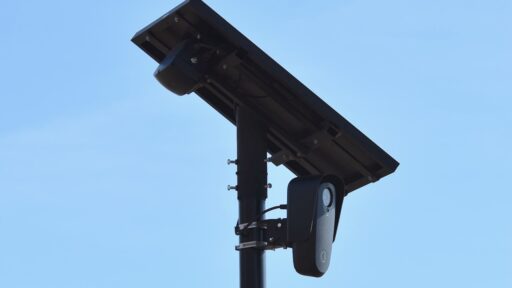
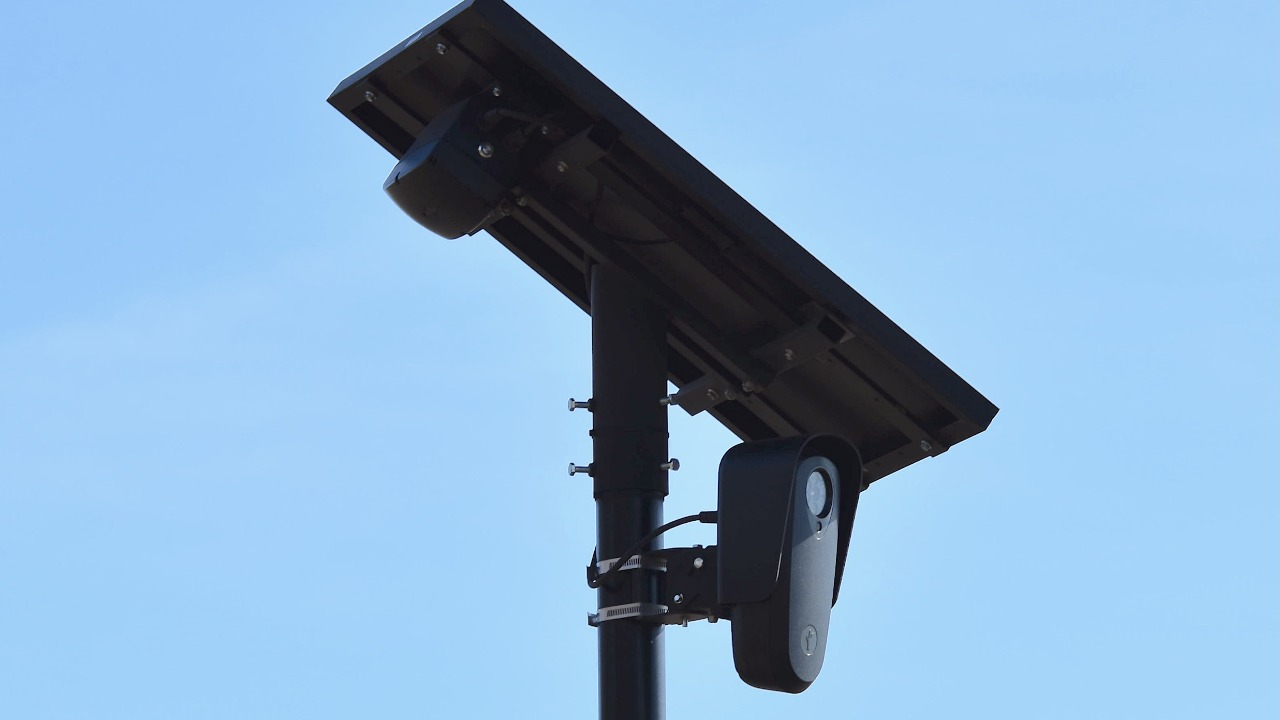

Solar-powered security cameras promise something every homeowner wants: install the camera once, point a small solar panel toward the sun and stop worrying about charging batteries or running electrical cables.
TP-Link’s Tapo cameras make exactly that proposition.
Models such as the Tapo C425 KIT combine a battery-powered outdoor camera with a solar panel, while newer products such as the C460 KIT increase video resolution to 4K and add features including dual-band Wi-Fi. On paper, they offer an impressive combination of solar charging, local storage, AI detection and subscription-optional operation.
But specifications do not determine whether a security camera is reliable.
What happens after months outside in rain, heat and cloudy weather matters much more.
Customer experiences suggest that TP-Link’s solar-powered Tapo cameras can be highly dependable when installed under the right conditions, but their performance depends heavily on sunlight, Wi-Fi quality, motion frequency and camera settings.
The Solar Charging System Is More Capable Than It Looks
The first concern most buyers have is obvious.
Can that relatively small solar panel really keep a security camera charged?
For the Tapo C425 KIT, TP-Link says approximately 45 minutes of direct sunlight per day can provide enough energy for a normal day’s operation under its specified testing conditions. The camera also contains a large rechargeable battery that TP-Link rates for as much as 300 days under light usage.
Those figures require context.
The 45-minute claim assumes standardized sunlight and a particular usage pattern of up to 100 triggered events per day. TP-Link explicitly notes that actual sunlight requirements vary with environmental conditions and usage.
That distinction explains why two customers can buy the same camera and report completely different battery experiences.
One installs the panel on a south-facing wall with hours of unobstructed sunshine.
Another places it under an eave where a tree shades it most of the afternoon.
The first may barely think about charging.
The second may wonder why the solar panel is not keeping up.
Heavy Activity Can Change Battery Performance Dramatically
A battery camera consumes relatively little energy while waiting.
Recording is different.
Every motion event can require the camera to wake, detect the subject, record video, process AI detection and communicate with the network. Watching live video adds further consumption.
Put the camera over a quiet backyard and it may trigger only occasionally.
Point it toward a busy sidewalk, road or driveway and it could activate hundreds of times.
TP-Link’s own battery figures demonstrate how much usage matters. The company says the C425 can last up to 300 days when total daily use is around 230 seconds. Increase usage to 360 seconds per day and the estimate falls to about 180 days even before considering other environmental variables.
Solar power can replenish that consumption, but it cannot create unlimited energy.
A high-traffic installation therefore needs more sunlight than a quiet one.
That is not necessarily a reliability defect. It is simply the reality of running a battery-powered camera from a relatively small panel.
Customers Like Not Having to Pay for Basic AI Detection
One of Tapo’s more attractive characteristics has little to do with solar power.
The cameras provide useful detection features without making every function dependent on a monthly subscription.
The C425 KIT supports person, pet and vehicle detection, while users can create activity zones to concentrate monitoring on important areas. It also supports microSD storage up to 512GB.
The newer C460 KIT continues that approach with person, vehicle and pet recognition plus local microSD storage.
Cloud storage remains available through Tapo Care for people who want it.
That flexibility matters because the economics of security cameras can change dramatically once subscriptions are included.
A relatively inexpensive camera can become considerably more expensive over five years if several cameras each depend on recurring cloud plans.
Tapo’s local-storage option allows customers to build a functional system without necessarily accepting that long-term expense.
The C425’s 2K Video Is Good Enough for Most Homes
The Tapo C425 records at 2K QHD resolution.
That gives it noticeably more image information than an ordinary 1080p camera while avoiding some of the bandwidth and storage demands associated with 4K.
TP-Link pairs that resolution with a wide 142-degree field of view and color night-vision features.
For monitoring a driveway, front entrance or garden, that combination is generally more useful than chasing resolution alone.
A security camera needs to capture the right area.
A narrow 4K image pointing in the wrong direction is less useful than a wider 2K image covering the entire entrance.
The wide view also allows homeowners to monitor larger areas with fewer cameras.
There is a trade-off, however.
Objects occupy fewer pixels when they are farther from a wide-angle camera.
Someone expecting to read a distant license plate should not assume the 2K label guarantees that result.
The Newer C460 Pushes Video Quality to 4K
Buyers who care more about image detail have another option.
The Tapo C460 KIT records at 3840 × 2160, or 4K 8MP, and offers up to 18x digital zoom. It also supports both 2.4GHz and 5GHz Wi-Fi, unlike the C425’s 2.4GHz-only connection.
TP-Link equips the C460 with a 10,000mAh battery and the same 2.5-watt maximum solar-panel charging power.
The company rates battery operation at up to 200 days without sunlight under its laboratory assumptions.
That is lower than the C425’s advertised maximum, which makes sense.
Processing and transmitting 4K footage can require more energy.
For buyers, the choice becomes relatively straightforward.
The C425 emphasizes battery longevity and solid 2K monitoring.
The C460 prioritizes additional image detail.
Wi-Fi Can Be the Weak Link
A camera can have a full battery and excellent solar exposure yet still feel unreliable if its wireless connection is poor.
This is particularly relevant to outdoor installations.
Someone may have excellent Wi-Fi inside his living room but weak coverage at the far end of a driveway, detached garage or backyard.
Walls, metal structures and distance can all weaken the signal.
TP-Link’s own support documentation contains troubleshooting specifically for Tapo cameras that cannot connect to Wi-Fi, reflecting how central network connectivity is to the system.
The C425 supports 2.4GHz Wi-Fi.
That is not necessarily a disadvantage outdoors. The 2.4GHz band generally travels farther and penetrates obstacles better than 5GHz, although it can be more congested.
The C460 supports both bands, giving owners more flexibility.
Before blaming the solar system for delayed alerts or connection problems, checking signal strength at the camera location is worthwhile.
Weather Resistance Is Strong, but Temperature Still Matters
Outdoor cameras inevitably face rain, dust, summer heat and winter cold.
The C425 carries an IP66 weather-resistance rating, while TP-Link specifies an operating range from -4°F to 112°F, or approximately -20°C to 45°C.
The C460 camera is also IP66 rated, while its A201 solar panel is rated IP65.
Those ratings provide meaningful protection against outdoor conditions.
But weather resistance should not be confused with unlimited environmental tolerance.
Battery charging has a narrower temperature range.
TP-Link specifies that the C425 battery should charge between 0°C and 45°C.
That means extreme winter conditions can affect charging even when the camera itself continues operating.
Solar performance also naturally changes with season.
A panel that receives hours of strong summer sunshine may receive much less energy during short, cloudy winter days.
Installation Makes an Enormous Difference
Solar-camera reliability begins before the camera is switched on.
The panel needs sunlight.
The camera needs Wi-Fi.
And the lens needs an unobstructed view of the area being monitored.
TP-Link provides flexibility here. The C425 solar panel can be positioned separately from the camera using an extension cable, allowing the camera to remain under a protected location while the panel sits where sunlight is stronger.
That is more important than it sounds.
The best location for surveillance is not always the best location for solar collection.
A camera may belong underneath an eave.
A solar panel generally does not.
Separating them lets each component occupy the location best suited to its job.
Poor installation can make an otherwise reliable system appear defective.
Local Storage Is a Bigger Advantage Than Some Buyers Realize
Security cameras generate potentially sensitive footage.
Some users simply prefer keeping recordings locally rather than depending entirely on remote servers.
Tapo accommodates that preference.
Both the C425 and C460 support microSD cards up to 512GB.
Cloud storage through Tapo Care is optional.
That creates redundancy in how owners can configure the system and reduces dependence on recurring fees.
There is an important limitation with any camera storing footage locally on the device.
If someone steals or destroys the camera, locally stored footage can potentially disappear with it.
Cloud recording can therefore still provide an advantage in higher-risk installations.
The best option depends on whether the homeowner prioritizes lower ongoing costs, remote backup or both.
The Magnetic Mount Is Convenient, but Think About Placement
Tapo’s magnetic mounting system makes positioning remarkably easy.
Instead of repeatedly loosening screws to adjust the viewing angle, the owner can reposition the camera quickly.
That convenience is valuable during initial installation.
It can also raise an obvious question: if the camera is easy for the owner to remove, could someone else remove it too?
TP-Link addresses this partly through anti-theft alerts on supported C425 versions, which can notify the user if the camera is removed.
Still, physical placement matters.
A camera installed at eye level beside a public walkway is much easier to interfere with than one positioned higher while maintaining a useful field of view.
Convenience and security need to be balanced.
Are TP-Link Solar Cameras Reliable Enough for Serious Home Security?
For most ordinary residential installations, the answer appears to be yes—with conditions.
The hardware offers several characteristics that support dependable use: large internal batteries, continuous solar charging, IP-rated outdoor construction, local recording and built-in AI detection.
TP-Link’s specifications also reveal that the system has meaningful reserves. The C425 can theoretically operate for months without solar input under light usage, while its panel needs relatively modest direct sunlight under the company’s standard test scenario.
But buyers should not interpret “solar powered” as “install anywhere and forget forever.”
A shaded solar panel can struggle.
A camera facing constant movement can consume much more power.
Weak Wi-Fi can make an otherwise healthy camera seem unreliable.
Extreme temperatures can affect charging.
Those limitations explain why customer experiences with battery cameras can differ so dramatically.
The Verdict Depends More on Your Property Than the Camera
TP-Link has built a convincing solar-camera system, particularly for homeowners who want wire-free installation without becoming dependent on mandatory cloud subscriptions.
The C425 is a strong fit when long battery life and 2K video are sufficient.
The C460 makes more sense when 4K detail and dual-band Wi-Fi are priorities.
Neither camera can overcome bad installation.
Before buying, a homeowner should mentally draw three invisible lines across the property.
The first runs from the camera to the area it needs to monitor.
The second runs from the camera to the Wi-Fi router.
The third runs from the solar panel to the sun.
If all three connections are strong, a Tapo solar camera can provide the low-maintenance experience its specifications promise.
If one of them is weak, particularly sunlight or Wi-Fi, reliability can deteriorate quickly.
That is ultimately what customer experiences with solar security cameras reveal.
The technology is reliable enough. The installation determines whether it gets the chance to prove it.