
For decades, blood pressure has been considered one of the most important measurements for understanding long-term health risks. Doctors, researchers, and health organizations have used it as a key indicator of cardiovascular health because high blood pressure is strongly linked with conditions such as heart disease and stroke. However, growing scientific interest suggests another measurement may provide deeper insight into overall longevity: VO2 max.
VO2 max measures the maximum amount of oxygen the body can use during intense exercise. It reflects how efficiently the heart, lungs, blood vessels, and muscles work together. According to research discussed by organizations such as the American Heart Association, cardiorespiratory fitness is increasingly recognized as a major factor connected with health outcomes and disease prevention.
The idea that fitness capacity could predict lifespan better than traditional measurements like blood pressure is changing how researchers view preventive healthcare. Instead of focusing only on disease markers, scientists are increasingly examining the body’s ability to perform and adapt.
Understanding Why VO2 Max Matters for Longevity
VO2 max represents the body’s ability to deliver oxygen from the lungs to working muscles and use it efficiently for energy production. A higher VO2 max generally indicates a stronger cardiovascular system and better physical capacity.
When a person has a high level of cardiorespiratory fitness, the heart can pump blood more effectively, blood vessels can respond better to increased demand, and muscles can extract oxygen more efficiently. These combined abilities create a foundation for healthier aging.
Research published in medical journals has shown that higher levels of cardiorespiratory fitness are associated with lower risks of mortality. Studies such as those indexed through the National Library of Medicine have examined the relationship between exercise capacity and long-term health outcomes.
Unlike some health measurements that capture only one aspect of the body, VO2 max provides a broader picture of how multiple systems operate together.
Why Blood Pressure Alone Does Not Tell the Full Story
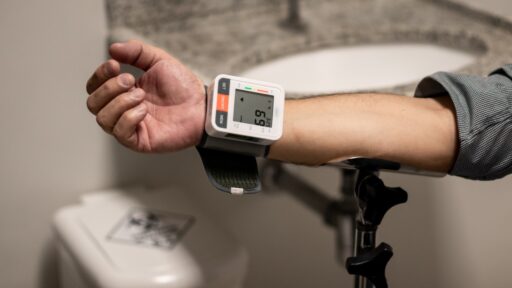
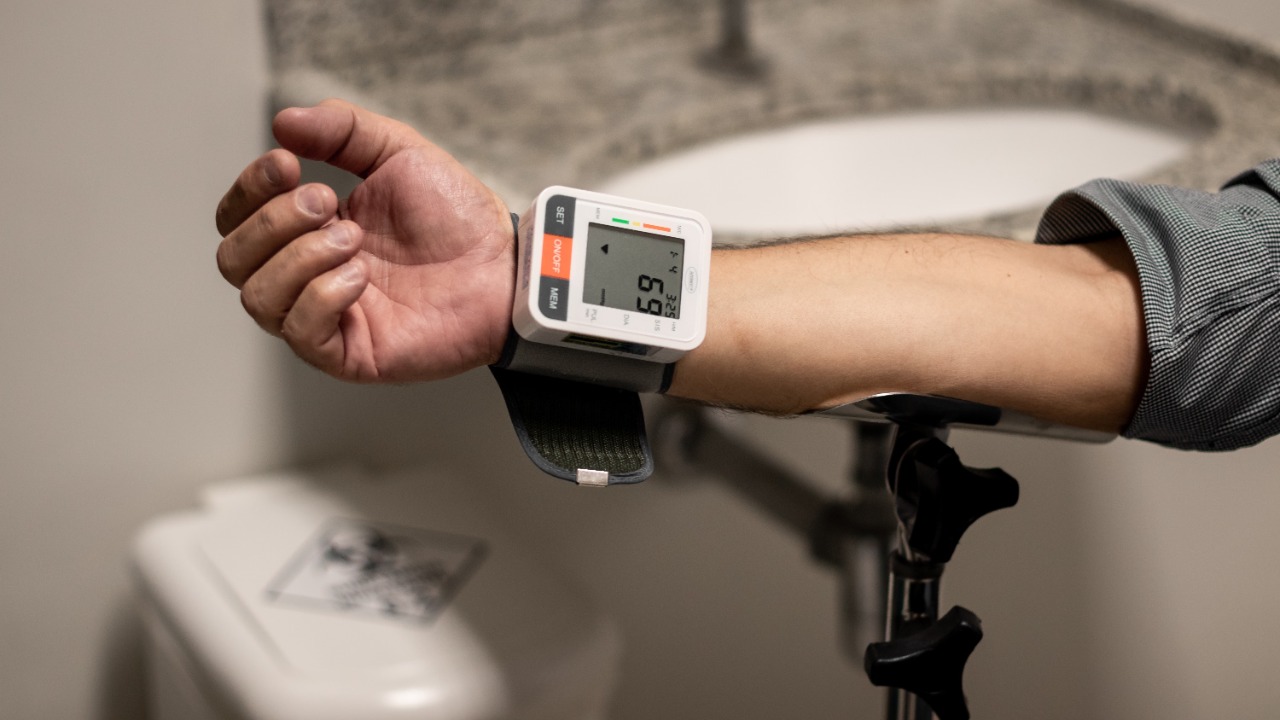
Blood pressure remains an essential health measurement. High blood pressure can damage arteries, increase strain on the heart, and contribute to serious medical conditions. For this reason, organizations such as the Centers for Disease Control and Prevention continue to emphasize blood pressure monitoring as a critical part of preventive healthcare.
However, blood pressure is only one measurement. A person may have normal blood pressure readings while still having poor cardiovascular fitness. Another individual may have slightly elevated blood pressure but maintain excellent fitness through regular exercise and healthy lifestyle choices.
This difference shows why researchers are looking beyond individual numbers. Health is influenced by many interconnected factors, including physical capacity, metabolic function, muscle strength, inflammation levels, and lifestyle habits.
VO2 max does not replace blood pressure monitoring, but it may provide additional information about how resilient the body is under physical stress.
Fitness as a Measure of the Body’s Reserve Capacity
One reason VO2 max attracts scientific attention is that it reflects the body’s reserve capacity. Everyday activities such as walking, climbing stairs, carrying objects, or recovering from illness all require cardiovascular efficiency.
As people age, maintaining this reserve becomes increasingly important. A stronger cardiovascular system can help individuals remain independent and active for longer periods.
Exercise researchers often describe VO2 max as a reflection of biological fitness rather than simply physical performance. It represents how well the body’s systems communicate and respond when demand increases.
According to resources from the Mayo Clinic, improving aerobic fitness through activities such as running, cycling, swimming, or brisk walking can positively influence cardiovascular health.
How People Can Improve Their VO2 Max
Improving VO2 max does not require professional athletic training. Consistent aerobic exercise can gradually increase the body’s ability to use oxygen efficiently.
Activities that raise heart rate for sustained periods are generally effective. These include walking at a fast pace, jogging, cycling, swimming, and structured interval training.
The most important factor is consistency. A person who gradually builds endurance over months and years may achieve significant improvements in cardiovascular capacity.
Strength training also plays an important role because maintaining muscle mass supports mobility and metabolic health. A balanced approach combining aerobic activity, resistance training, quality sleep, and proper nutrition creates a stronger foundation for healthy aging.
The Growing Shift Toward Measuring Fitness
Modern healthcare is increasingly moving from simply treating disease toward predicting and preventing health problems earlier. This shift has encouraged researchers to explore measurements that reveal overall functional ability.
VO2 max fits into this approach because it reflects how the body performs under challenge. While blood pressure shows pressure inside the arteries at a specific moment, VO2 max demonstrates how effectively the entire cardiovascular system operates during demanding conditions.
Wearable technology has also made fitness tracking more accessible. Devices from companies such as Garmin and Apple now estimate fitness-related metrics, allowing more people to monitor changes over time.
Although consumer devices may not replace clinical testing, they have increased awareness about the importance of maintaining cardiovascular fitness.
What This Means for the Future of Health Monitoring
The growing focus on VO2 max does not mean traditional health measurements are becoming irrelevant. Blood pressure, cholesterol levels, blood sugar, and other medical indicators remain essential tools for evaluating health risks.
Instead, researchers are building a more complete picture of human health. The future of preventive medicine may involve combining multiple measurements to understand an individual’s overall condition.
A person’s ability to move, exercise, recover, and adapt may provide valuable information about future health outcomes. VO2 max represents one important piece of this larger picture.
The message from current research is clear: longevity is not determined by a single number. A healthy lifespan depends on how effectively the body functions as a complete system.
As scientists continue studying the connection between fitness and aging, VO2 max may become an increasingly important measurement alongside traditional health indicators. For individuals looking to improve long-term health, building and maintaining cardiovascular fitness could be one of the most powerful investments they make.