
The idea of avoiding ultra-processed food can sound exhausting.
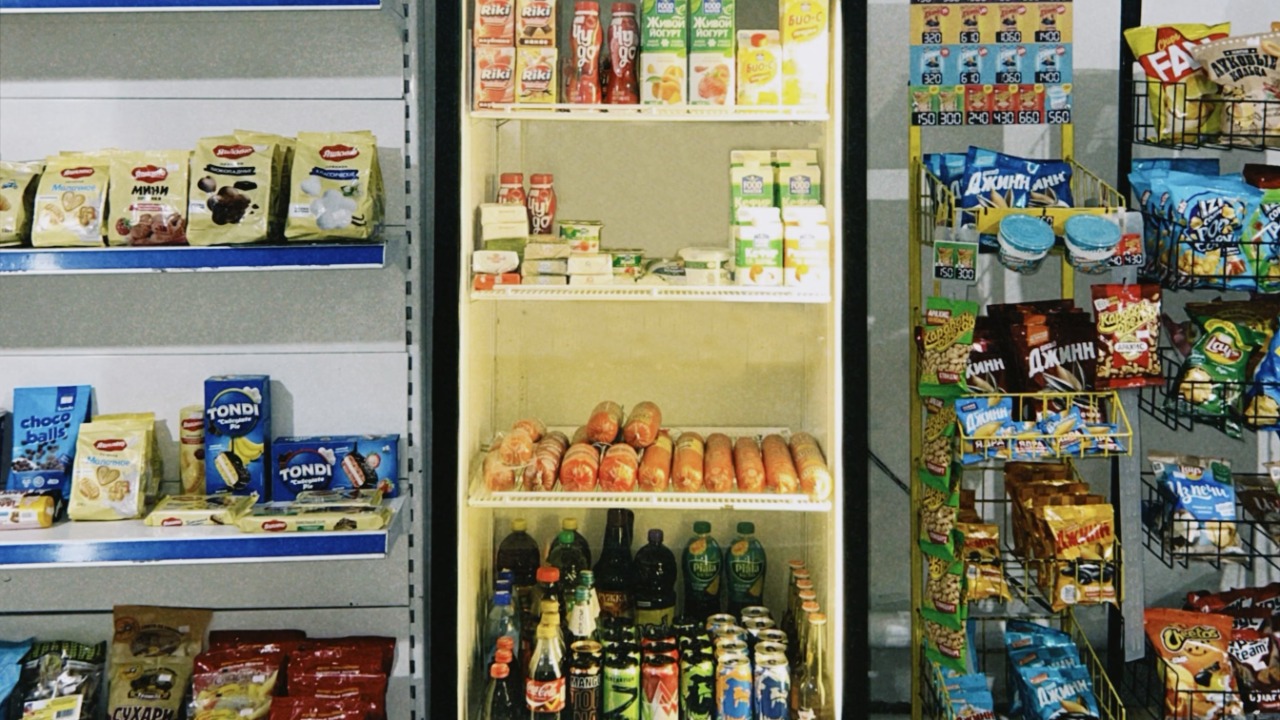
Walk through a supermarket and it can suddenly seem as though almost everything comes with a long ingredient list. Breakfast cereals, packaged snacks, ready meals, sweetened drinks and even foods marketed as healthy can contain ingredients that have undergone substantial industrial processing.
But eating less ultra-processed food does not necessarily mean abandoning convenience or preparing every meal from scratch.
Sometimes, the most realistic approach is much simpler: change a few everyday choices rather than trying to completely redesign the diet.
A recent BBC Future article on simple food swaps highlights this practical approach, focusing on manageable changes rather than an all-or-nothing diet.
That matters because healthy eating is rarely about perfection.
It is about what happens repeatedly.
What Exactly Counts as Ultra-Processed Food?
“Ultra-processed food” is not simply another way of saying “processed food.”
Almost all food is processed in some way. Washing vegetables, freezing fruit, milling grains, pasteurising milk and cooking meat are all forms of processing.
Ultra-processed foods generally involve more extensive industrial formulation and may contain ingredients or additives rarely used in ordinary home cooking.
The World Health Organization says that diets containing substantial amounts of highly processed foods are often high in sodium, free sugars or unhealthy fats and are associated with negative health outcomes.
But there is an important nuance.
Not every processed food is unhealthy, and not every food with an unfamiliar ingredient is automatically harmful.
The overall nutritional quality of the diet matters.
Swap Sugary Breakfast Cereals for Simpler Options
Breakfast can be one of the easiest places to make a meaningful change.
Some breakfast cereals are heavily formulated and can contain substantial amounts of added sugar while providing relatively little fibre.
A simpler alternative could be porridge made from oats, paired with fruit, nuts or seeds.
The advantage is not that oats are somehow “perfect.”
It is that the meal can provide a straightforward combination of whole grains, fibre and other nutrients without relying on a highly formulated product.
The WHO recommends that carbohydrates primarily come from whole grains, vegetables, fruits and pulses, while adults over 10 should aim for at least 25 grams of naturally occurring dietary fibre each day.
That makes breakfast a useful opportunity to increase fibre while reducing foods high in free sugars.
Replace Sugary Drinks With Water
This may be the simplest swap of all.
Soft drinks, energy drinks and other sweetened beverages can deliver significant amounts of sugar without providing the same satiety associated with eating whole foods.
Replacing them with water does not require learning a complicated recipe or following a new diet.
It simply removes a source of added or free sugar.
The WHO recommends limiting free sugars to less than 10% of total daily energy intake and notes that reducing intake further can provide additional health benefits.
For people who dislike plain water, unsweetened tea or sparkling water can provide variety without turning every drink into a sugary snack.
Choose Fruit Instead of Packaged Sweet Snacks
Cookies, chocolate bars and packaged desserts are convenient because they require no preparation.
But convenience can also make them incredibly easy to eat frequently.
Fresh fruit offers a different kind of convenience.
An apple, banana, orange or handful of berries requires little preparation while providing fibre and naturally occurring nutrients.
The WHO recommends eating a variety of fruits and vegetables and suggests fresh fruit as an alternative to snacks high in sugar, fat or salt.
The goal does not have to be eliminating every biscuit or dessert.
A more realistic strategy is to make fruit the default choice more often.
That small change can become significant when repeated over weeks and months.
Swap Processed Meat for Less Processed Protein
Processed meats are another area where a relatively simple change can alter the overall quality of a diet.
Instead of relying heavily on sausages, bacon, processed luncheon meats or similar products, meals can use alternatives such as eggs, fish, poultry, beans, lentils or minimally processed meat.
The WHO recommends a varied diet built around foods including vegetables, fruits, pulses, whole grains and lean sources of protein.
The important point is variety.
Replacing one processed product with another highly processed substitute does not necessarily improve the diet simply because the packaging looks healthier.
The food itself matters.
Make Simple Food the Default for Lunch
Lunch is where convenience often takes over.
A packaged sandwich, ready meal or snack can seem like the easiest option during a busy working day.
But a simple lunch does not have to mean complicated cooking.
A meal built around whole grains, vegetables and a protein source can be relatively quick to assemble.
A whole-grain wrap with chicken and vegetables, lentils with rice, eggs with vegetables or a simple bean salad can provide a much more straightforward combination of ingredients.
The WHO’s current healthy-diet guidance emphasizes adequacy, balance, moderation and diversity rather than prescribing one universal diet.
That is important because healthy eating has to work within real life.
A diet that takes hours to prepare every day is unlikely to be sustainable for many people.
Replace Highly Processed Snacks With Nuts or Seeds
Snacking can quietly add large amounts of sugar, salt and unhealthy fats to an otherwise reasonable diet.
Replacing some packaged snacks with nuts or seeds can provide a more nutrient-dense alternative.
Nuts contain unsaturated fats, protein, fibre and various micronutrients.
But portion size still matters because nuts are energy-dense.
The goal is not to transform every snack into a “superfood.”
It is simply to make the everyday choice less dependent on heavily formulated snack products.
You Do Not Need to Fear Every Ingredient List
The growing discussion around ultra-processed foods has created an understandable problem: people can begin believing that anything with an ingredient they cannot pronounce must be dangerous.
That is not a useful way to think about nutrition.
Food processing has many legitimate purposes.
It can improve safety, extend shelf life, make foods affordable and increase convenience. Some processed foods can also contribute valuable nutrients to the diet.
The WHO itself notes that processing has been used for centuries for purposes including making food edible, improving storage and increasing safety.
The bigger concern is the overall dietary pattern.
If most meals consist of highly formulated foods that are high in sugar, sodium or unhealthy fats and low in fibre and nutrient-rich whole foods, changing that pattern can be worthwhile.
The Best Swap Is the One That Actually Sticks
There is a temptation to approach ultra-processed food as a challenge that must be conquered overnight.
Empty the cupboards.
Read every label.
Cook everything from scratch.
Never eat packaged food again.
For most people, that approach is unnecessary and difficult to maintain.
A better strategy is to identify the foods that appear most frequently in the diet and replace them one at a time.
If breakfast cereal is eaten every morning, start there.
If sugary drinks are consumed several times a day, change those first.
If packaged snacks dominate the afternoon, replace some of them with fruit or nuts.
The cumulative effect can be much larger than attempting an extreme dietary makeover for a week before returning to old habits.
Ultra-Processed Food Is Not the Only Thing That Matters
It is also important not to lose sight of the bigger picture.
Someone can dramatically reduce ultra-processed food while still eating an unbalanced diet.
A diet based almost entirely on minimally processed foods can still contain excessive calories, saturated fat or sodium, depending on the choices being made.
Likewise, a packaged food can sometimes be nutritionally useful.
The WHO’s current dietary guidance emphasizes a combination of variety, balance, moderation and adequacy, with minimally processed and unprocessed foods forming the foundation of a healthy diet.
That is a much more useful framework than dividing every food into “good” or “bad.”
Small Changes Can Create a Bigger Dietary Shift
The real appeal of simple food swaps is that they do not require perfection.
A person does not have to eliminate every packaged food from the kitchen.
They do not have to reject convenience.
They do not even have to change everything at once.
The more practical objective is to gradually increase the proportion of fruits, vegetables, whole grains, pulses and other minimally processed foods while reducing reliance on products that are high in free sugars, sodium or unhealthy fats.
That approach also leaves room for enjoyment.
Food is not simply a collection of nutrients. It is part of culture, routine and social life.
The goal is not to make eating stressful.
It is to make healthier choices easier.
And perhaps that is the most useful lesson from the growing debate over ultra-processed foods: the healthiest diet is not necessarily the one with the longest list of rules. It is the one that makes nutritious, minimally processed food a normal part of everyday life.