
Remote car starters remain worthwhile in 2026, but their value depends heavily on climate, parking habits, vehicle type and how the feature is purchased.
For a driver who parks outdoors through freezing winters or extreme summer heat, remote start can improve comfort, clear windows and make the vehicle safer to enter and drive. For someone who parks in a climate-controlled garage, lives in a mild region or must pay an ongoing subscription for occasional use, the feature may be difficult to justify.
The biggest change is that remote start is no longer simply an aftermarket accessory operated by a dedicated key fob. It may now be built into the original key, controlled through a manufacturer’s mobile app, bundled with connected services or locked behind a subscription after a free trial ends.
The Main Benefit Is Cabin Comfort, Not Engine Warm-Up
Remote starters are most valuable because they activate the vehicle’s heating, air conditioning and defrosting systems before the driver enters.
During winter, a short remote-start session can begin loosening frost, warming the cabin and improving windshield visibility. During summer, it can remove some of the dangerously hot air trapped inside a parked vehicle before passengers get in.
The feature should not be purchased primarily to “warm up” a modern gasoline engine. Natural Resources Canada advises that a cold vehicle generally needs only about 30 seconds of initial idling and recommends driving the vehicle to warm it up rather than leaving it stationary for an extended period. The engine, transmission, tires, wheel bearings and other components warm more effectively once the vehicle begins moving.
Remote start therefore makes the strongest case when the objective is defrosting and temperature control. Starting the vehicle for 15 or 20 minutes every morning solely because the engine is cold provides little additional mechanical benefit and consumes unnecessary fuel.
Factory Remote Start Can Be Free, Temporary or Subscription-Based
Drivers considering an aftermarket installation should first check whether their vehicle already supports remote start through its key fob or connected-services application.
The cost structure varies substantially between manufacturers. Ford says remote start, locking and other supported remote functions remain complimentary through its app when the vehicle has an activated compatible modem. Ford’s connected-services information separates these functions from paid services such as the Wi-Fi hotspot.
Hyundai Canada similarly states that every new Hyundai includes Bluelink at no additional cost, with compatible models offering remote start and climate controls. The company’s 2026 Kona information, for example, lists remote climate start and complimentary Bluelink access.
Toyota follows a different model on some vehicles. Selected 2026 models include a three-year Remote Connect trial, after which continued app-based service requires a paid subscription. Toyota also warns that the service depends on cellular connectivity, GPS reception and an operational telematics system. These conditions are detailed through the company’s Connected Services help centre.
This variation makes the purchase decision more complicated. A remote starter included for the life of the car is easy to justify. A feature costing more than $100 every year may become expensive when the car is kept for eight or ten years.
A Physical Remote Can Be Better Than an App
Smartphone-based remote start offers almost unlimited practical range because it communicates through a cellular network. A driver can start a vehicle from an office, restaurant or airport terminal without being within key-fob range.
That convenience introduces dependencies. The vehicle needs cellular coverage, the manufacturer’s servers must be operating, the phone needs a data connection and the account subscription must remain active. Older connected vehicles may also lose functionality when the cellular network they were designed to use is retired.
A dedicated remote communicates directly with the vehicle. Its range is more limited, but it does not normally rely on an automaker’s application, account login or annual service plan. Two-way models can also confirm that the vehicle received the command and successfully started.
Drivers comparing systems should therefore look beyond the advertised range. A long-range two-way fob may be more dependable than an app for daily home and workplace use, while cellular control is more useful when the vehicle is regularly parked far from the driver.
Aftermarket Systems Still Make Financial Sense
An aftermarket remote starter remains a practical option for vehicles that lack factory functionality or require an expensive connected-services subscription.
Compustar reports that its dealers commonly charge approximately $320 to $450 for a standard professionally installed system, although the final amount depends on the vehicle, remote range, installation complexity and required interface modules. Its remote starter cost guide explains that smartphone control, advanced security and premium two-way remotes can increase the price.
At $400, an aftermarket system can cost less than four years of a $10-per-month manufacturer subscription. The calculation becomes even more favourable when the owner plans to keep the vehicle for many years.
Installation quality matters more than finding the lowest price. Modern vehicles contain immobilizers, encrypted communication networks, push-button ignition systems and sensitive control modules. A poor installation can create intermittent starting problems, battery drain or electrical faults that are difficult to diagnose.
In the United States, the Federal Trade Commission’s warranty guidance explains that using an aftermarket part does not automatically cancel the entire vehicle warranty. However, coverage can be denied for damage caused by a defective part or incorrect installation. Professional installation and complete documentation are therefore important, particularly while the vehicle remains under factory warranty.
A Proper Remote Starter Should Not Make the Car Easy to Steal
A professionally designed system allows the engine to run without making the vehicle immediately drivable.
The doors generally remain locked, and the correct key or authorised fob must be present before the transmission can be placed into gear. Some systems shut the engine down as soon as the brake pedal is pressed without the proper key takeover procedure.
Compustar explains that its key-takeover protection prevents a remotely started vehicle from being driven unless the physical key or fob is present.
That does not mean every installation is equally secure. The system should be compatible with the factory immobilizer and should not require a permanently functioning key to be hidden carelessly inside the vehicle. Drivers should ask the installer how immobilizer integration, brake shutdown, hood protection and key takeover work before approving the installation.
Idling Costs and Local Rules Reduce the Value
Remote starting a combustion vehicle consumes fuel while producing no travel. Occasional five-minute use during severe weather may be reasonable, but repeated long sessions can turn a convenience feature into an ongoing operating expense.
Local anti-idling regulations may also apply. Natural Resources Canada notes that many municipal bylaws restrict idling to approximately three or five minutes within a 60-minute period, although exemptions and enforcement rules vary. Its model idling-control bylaw demonstrates how communities may regulate unattended or unnecessary vehicle operation.
Remote start should never be used on a gasoline or diesel vehicle inside an attached garage. The US Centers for Disease Control and Prevention warns that a vehicle must not be run in an attached garage even when the garage door is open because carbon monoxide can enter the home. The CDC’s carbon-monoxide safety guidance applies equally to conventional and remotely started vehicles.
Electric Vehicles Make Remote Climate Control More Valuable
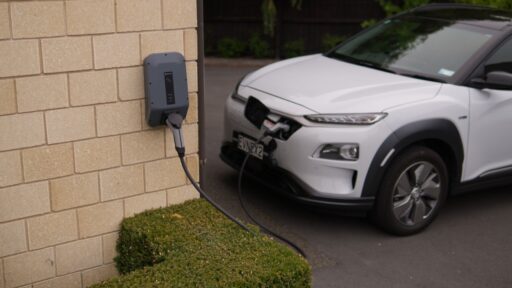
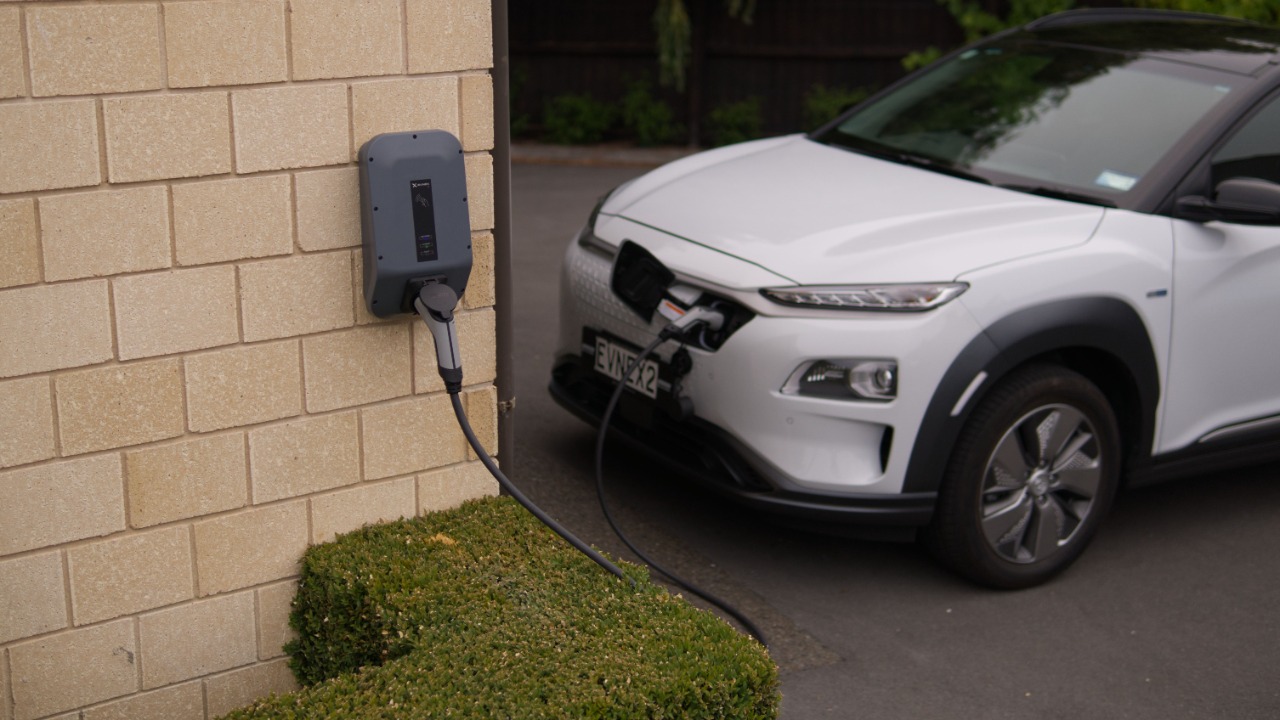
Battery-electric vehicles do not need an engine starter, but their remote preconditioning functions can be more useful than traditional remote start.
An EV can warm or cool its cabin before departure and may also prepare the battery for efficient operation. When the vehicle is plugged in, much of the required energy can come from the electrical grid instead of the traction battery.
The US Department of Energy recommends preconditioning an EV while it is charging to improve cabin comfort and protect available driving range. DOE testing found that preconditioning could reduce battery energy consumption by approximately 9 to 20 percent during short, city-style journeys at 20 degrees Fahrenheit.
For an EV owner, remote climate control is generally worth using because it does not require wasteful engine idling. It is especially valuable in cold regions where battery temperature and cabin heating can significantly affect winter range.
The Final Verdict for 2026
Remote car starters are still worth it for drivers who park outdoors, experience severe temperatures and use the vehicle almost every day. The feature is particularly valuable for parents, shift workers, people with mobility limitations and anyone who regularly needs to clear frost or reduce cabin heat before driving.
They are less compelling for vehicles stored in garages, drivers in mild climates and owners who would need to maintain an expensive subscription for infrequent use. A block heater, heated seats, windshield cover or scheduled EV preconditioning may provide better value in those situations.
The best option in 2026 is a factory system included without a recurring fee. When that is unavailable, a professionally installed two-way aftermarket starter can remain a sound long-term purchase. App-only systems deserve closer scrutiny because cellular availability, subscriptions and manufacturer support can change during the life of the vehicle.
Remote start is no longer an automatic must-have, but it has not become obsolete. Its value comes from comfort, visibility and convenience—not from leaving a modern engine idling for as long as possible.