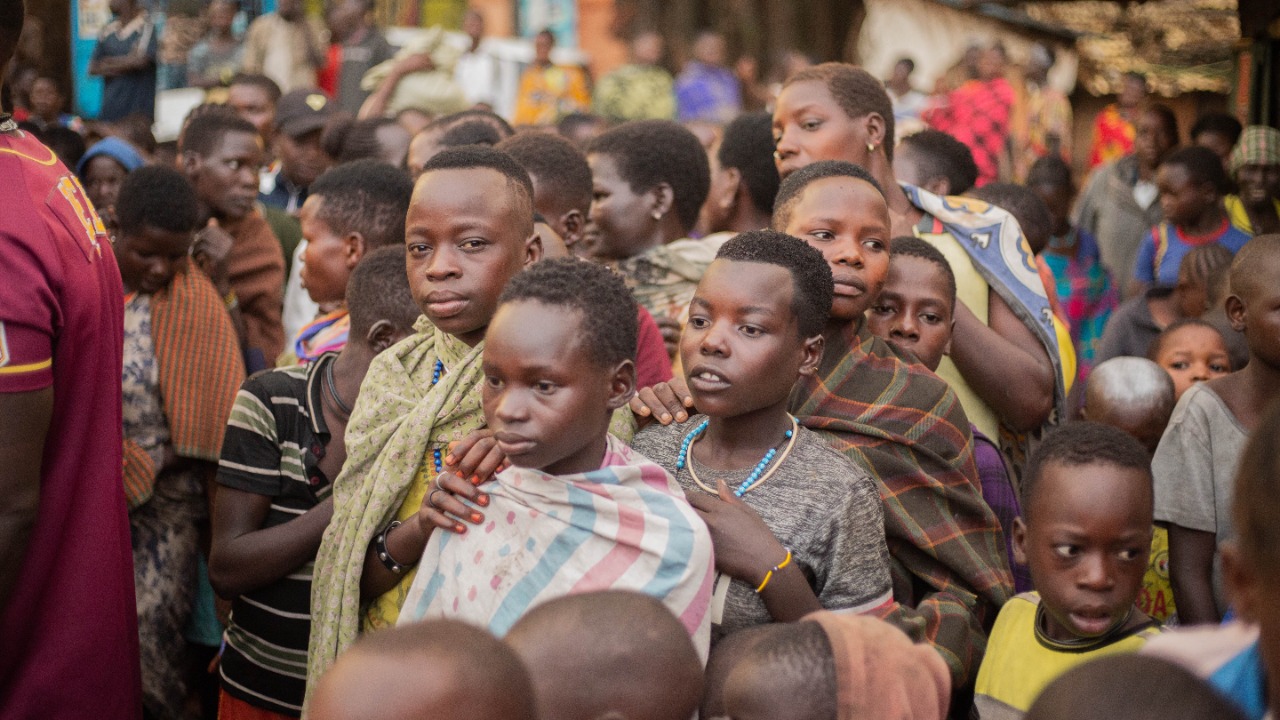

Uganda is one of East Africa’s major food-producing countries, yet millions of people are struggling to obtain enough to eat. This apparent contradiction exists because food security depends on more than the total amount of food grown nationally. Families must also have sufficient income, functioning markets, safe transport, reliable rainfall and access to land, water and humanitarian assistance.
The current crisis is especially severe in the north-eastern Karamoja region and within Uganda’s large refugee settlements. These two emergencies have different immediate causes, but both are being intensified by poverty, unpredictable weather, high food prices and shrinking international aid.
The Famine Early Warning Systems Network’s latest Uganda assessment projects that approximately 2.5 million to 2.99 million people may require food assistance between June 2026 and January 2027. Refugees and poor households in Karamoja are identified as the populations facing the greatest danger.
Failed Rains Destroyed Karamoja’s Main Harvest
The most immediate trigger in Karamoja has been a prolonged dry spell during an essential growing period.
Many households in the region depend on rain-fed agriculture. Farmers plant crops such as maize, sorghum, millet and beans when seasonal rains begin, but they have limited irrigation to protect those crops when rainfall stops.
In 2026, meaningful rain largely disappeared after April, just as many farmers were beginning the planting season. Crops failed or produced extremely poor yields, leaving households without food for their own consumption and without crops to sell for income.
The June 2026 Integrated Food Security Phase Classification report for Karamoja estimated that 473,000 people, representing 32% of the analysed population, were experiencing Crisis-level hunger or worse between April and July. About 41,000 were classified in Emergency conditions. All nine Karamoja districts were placed in IPC Phase 3, or Crisis.
This classification does not mean that all of Uganda is experiencing famine. No population in the analysis was placed in IPC Phase 5, the formal Catastrophe or Famine category. It does mean that many households are facing serious food-consumption gaps, selling essential assets or using other damaging survival strategies.
Repeated Poor Harvests Have Exhausted Household Reserves
The 2026 dry spell arrived before many families had recovered from previous agricultural losses.
Late and poorly distributed rainfall damaged the 2025 growing season, while only about 54% of assessed households still had any food stocks remaining. In many districts, those supplies were expected to last less than one month.
Repeated crop failures create a cycle that becomes harder to escape. A household may first consume grain that was supposed to be saved as seed. It may then sell livestock or farming equipment to purchase food. When the following planting season arrives, the family lacks seeds, tools and money for fertiliser or labour.
The IPC found that limited incomes and the inability to preserve seed after previous failed harvests prevented many Karamoja farmers from buying the inputs required for the 2026 season. As a result, rainfall recovery alone would not have been enough to restore production immediately.
Karamoja’s Poverty Makes Every Climate Shock More Dangerous
A drought does not affect every community equally. Wealthier farmers may have irrigation, savings, crop insurance or access to credit. Poor families may have none of those protections.
Karamoja is Uganda’s poorest region. The IPC report, citing national census and poverty data, recorded a multidimensional poverty rate of 91.4%. Many households experience several forms of deprivation at once, including limited education, weak healthcare access, inadequate sanitation, poor roads and low employment opportunities.
This extreme poverty means that households cannot easily purchase food when their own crops fail. Some families have already sold productive assets or exhausted relatives’ support. Others depend on irregular activities such as charcoal production, casual labour or small-scale mining, which may provide too little income to cover rising food prices.
Although food may remain available in markets elsewhere in Uganda, it can still be economically inaccessible to a family without money.
Food Prices Have Risen Beyond What Poor Households Can Afford
Poor harvests reduce the amount of locally produced grain entering markets. At the same time, more households begin buying food because they no longer have their own supplies.
That combination increases demand while reducing local availability. Transport costs and weak roads can further raise prices in remote communities.
The IPC reported that some low-income households were spending more than half their income on food. As prices rose, families increasingly replaced nutritious foods with cheaper and less diverse meals.
A household may therefore consume enough basic calories on certain days while still lacking protein, iron, vitamins and other nutrients. This helps explain why food insecurity and malnutrition can remain high even where some grain continues to be sold.
Environmental Degradation Has Reduced the Region’s Resilience
Karamoja has always experienced a drier and more variable climate than much of southern Uganda. However, deforestation, overgrazing and soil degradation have made the landscape less capable of retaining water and supporting crops during dry periods.
Vegetation loss exposes soil to erosion. Overused grazing areas become less productive, while reduced tree cover can increase surface-water loss. When heavy rain eventually arrives, it may cause local flooding and wash away topsoil rather than being stored for later use.
Water infrastructure remains limited in many communities. Without reservoirs, irrigation systems and dependable boreholes, rainfall cannot easily be captured during wetter periods and used when the dry season intensifies.
This is why long-term food security requires more than distributing seed. It also depends on investment in water storage, irrigation, land restoration and farming methods suited to an increasingly unstable climate.
Pests, Animal Diseases and Cattle Raiding Have Damaged Livelihoods
Weather is not the only threat to food production.
The IPC reported outbreaks of African armyworm, grasshoppers and sorghum diseases, alongside livestock illnesses including foot-and-mouth disease, swine fever and tick-borne infections. Wildlife, particularly elephants and buffaloes, also damaged mature crops in several districts.
Livestock traditionally provide food, income and financial security for many Karamoja communities. However, armed cattle raiding has reduced herds and contributed to persistent insecurity. Only 57% of assessed households reported owning livestock, while more families have become dependent on crop agriculture.
That transition has increased exposure to rainfall failure. A household that previously relied on both cattle and crops may now have only one vulnerable source of food and income.
Insecurity can also restrict movement, interrupt markets and prevent families from safely reaching farmland or grazing areas.
Uganda’s Refugee Population Is Facing a Separate Hunger Emergency
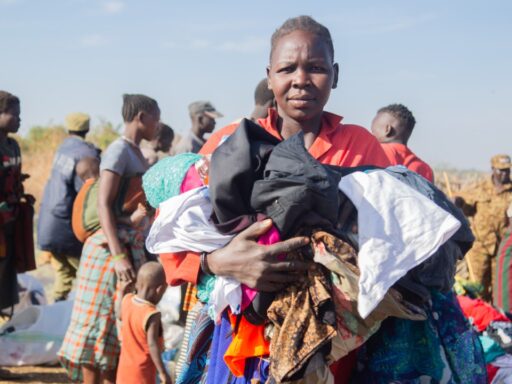
Uganda hosts nearly two million refugees, many of whom have fled conflict in the Democratic Republic of the Congo, South Sudan and Sudan. The country permits refugees to work, move and access public services, but many settlements are located in areas with limited employment and insufficient agricultural land.
Humanitarian assistance has traditionally helped close that gap. However, severe funding shortages have forced the World Food Programme to reduce both the number of people assisted and the size of their rations.
WFP says its support fell from 1.6 million refugees in early 2025 to only 663,000 by March 2026. A United Nations assessment found that 65% of refugees lacked sufficient food, more than seven in ten households had reduced their number of daily meals and one in four had withdrawn children from school.
The most vulnerable refugees now receive only a proportion of a complete ration, moderately vulnerable families receive less, and many others have been removed from regular assistance. The WFP Uganda country overview describes these as the lowest refugee food-ration levels it provides anywhere in East Africa.
Hunger and Disease Are Reinforcing Each Other
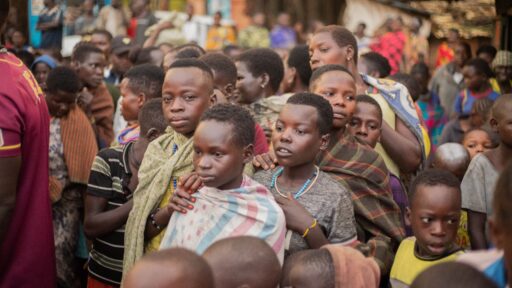
Food shortages weaken the immune system, particularly among young children and pregnant or breastfeeding women. Illness then reduces the body’s ability to absorb nutrients, creating a cycle in which hunger increases disease and disease worsens malnutrition.
The IPC estimated that approximately 122,100 children aged six months to five years in Karamoja would experience acute malnutrition between March 2026 and February 2027. An additional 8,000 pregnant or breastfeeding women were expected to require nutritional treatment.
Limited clean water, inadequate sanitation, malaria, diarrhoea and measles outbreaks have compounded the emergency. More than 70% of young children in eight of Karamoja’s nine districts were consuming insufficiently diverse diets, according to the same analysis.
Emergency Food Distribution Can Prevent Deaths but Not End the Cycle
After at least 19 hunger-related deaths were reported, Uganda’s government began a major emergency distribution in Karamoja. Parliament approved 45 billion Ugandan shillings, approximately £9 million, to procure and distribute about 9,400 tonnes of food over two months.
This assistance can save lives and protect families from selling their remaining assets. However, it cannot restore failed harvests or eliminate the structural causes of hunger.
A durable response requires drought-resistant and early-maturing crops, livestock disease control, irrigation, water storage, environmental restoration, better rural roads and more reliable nutrition services. Refugee settlements also require renewed donor financing and greater access to land, employment and markets.
Uganda’s food crisis is therefore not caused by one event. It is the result of drought colliding with repeated poor harvests, extreme poverty, rising prices, damaged livelihoods, disease and shrinking humanitarian support. Until those pressures are addressed together, temporary improvements after a harvest may be followed by another emergency during the next failed rainy season.