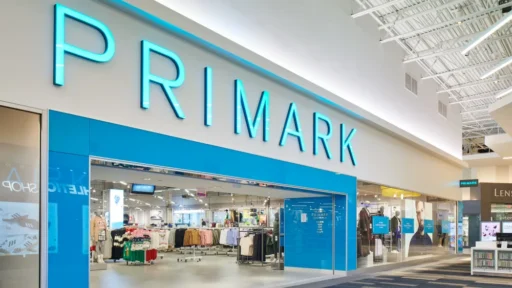
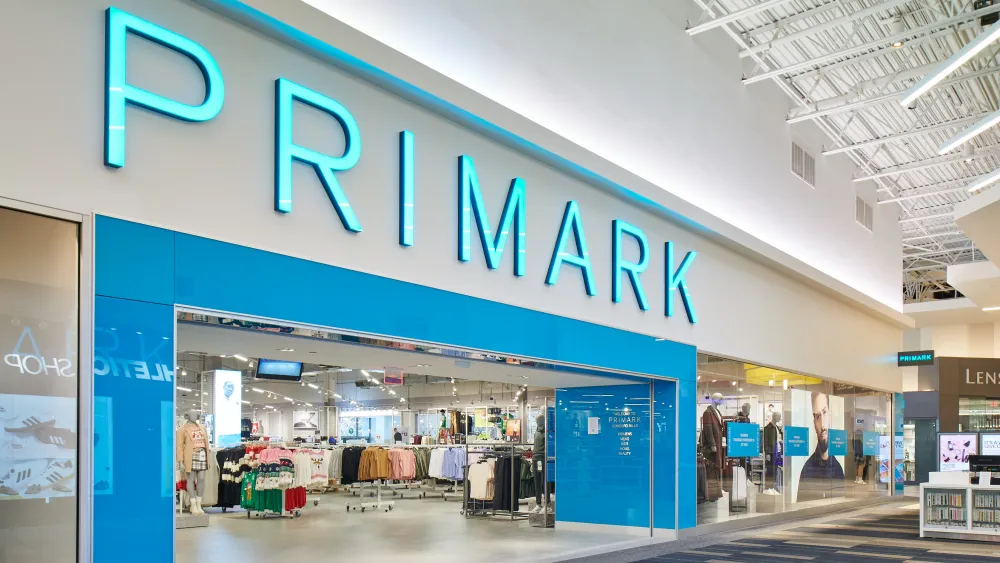

Primark is cutting prices across hundreds of popular clothing lines as it tries to convince British shoppers that it remains one of the cheapest places to buy fashion.
The retailer’s new “Iconic Value” strategy reduces prices by as much as 29% on selected womenswear, menswear and children’s products. However, the most important part of the plan is not the size of any individual discount. It is Primark’s decision to focus attention on familiar, frequently purchased products whose prices customers are likely to remember.
That resembles a tactic commonly associated with supermarkets. Grocery chains use highly visible prices on staples such as milk, bread, eggs and bananas to influence how shoppers perceive the affordability of the entire store. Primark is attempting something similar with pyjamas, socks, jeans, leggings, knitwear and children’s basics.
Rather than competing with every price displayed by Shein, Temu and other digital retailers, Primark wants a smaller group of recognisable products to restore its reputation for dependable everyday value.
Primark Has Cut Prices on Hundreds of Products
The changes began on 20 July 2026 across Primark’s 19 international markets. They apply to hundreds of bestselling items and will continue through the retailer’s new autumn and winter collection.
Examples include women’s supersoft boyfriend pyjamas falling from £17 to £13, a single-breasted women’s coat dropping from £26 to £22 and a men’s brushed checked overshirt declining from £25 to £20. Primark is also promoting cotton-rich jeans for £9, pure-cotton pyjamas from £7 and velvet plush leggings for £6.
Menswear sweatshirts and joggers have been reduced to £10 each, while selected hoodies begin at £9. Children’s ribbed tops and bottoms start at £2, with some soft-touch leisurewear priced from £5. Primark’s full Iconic Value overview identifies the ranges receiving the new pricing treatment.
These are presented as new lower regular prices rather than a short promotional sale. That distinction is central to the strategy because Primark is trying to rebuild confidence in its normal prices, not merely create a temporary rush around discounted stock.
Why It Is Being Called a Supermarket Tactic
Supermarkets know that shoppers do not memorise the price of every product in a large store. Instead, they tend to notice a relatively small selection of items purchased regularly.
When the prices of those recognisable products appear competitive, the shopper may assume the rest of the retailer’s range also represents reasonable value. The industry often refers to these familiar products as key value items.
Primark has not publicly described its plan using that exact grocery-industry term. However, its own explanation closely resembles the underlying strategy. The company says it has lowered prices on “hero lines,” simplified its ranges and reduced the number of price points so shoppers can identify its most recognisable prices more easily.
The choice of products appears deliberate. Boyfriend pyjamas, socks, leggings, children’s joggers and inexpensive knitwear are accessible items that many customers understand without conducting extensive comparisons. A £13 pyjama set or £9 pair of jeans provides a simple reference point that can shape the customer’s impression of the whole shop.
It is therefore reasonable to interpret the campaign as an attempt to manage price perception, not merely to clear excess inventory. Primark wants customers to associate a few highly visible prices with a broader message: the retailer has returned to the affordability for which it became famous.
Primark’s Cheap-Fashion Reputation Has Weakened
The strategy responds to a difficult problem. Primark is still widely viewed as a value retailer, but that reputation can no longer be taken for granted.
Inflation, higher wages, rent, energy costs and supply-chain expenses have pushed prices upwards throughout the fashion industry. At the same time, customers who remember Primark’s earlier prices may feel that some newer ranges no longer offer the dramatic savings they once expected.
Primark acknowledged this perception directly, saying some shoppers had reported that the prices for which the company was known had become harder to find. Its new campaign is designed to make those prices more visible while promising improvements in fit, fabric and quality.
A company-commissioned survey found that 61% of respondents considered good value the most important factor when purchasing clothes, while 46% said obtaining the best value for money was their main priority when shopping for family clothing. Those findings reflect Primark’s own commissioned research and should be read in that context, but they help explain why the company is emphasising price so heavily.
Shein and Temu Have Changed the Competition
Primark’s original advantage came from offering extremely inexpensive fashion through large physical shops. By limiting expensive services such as home delivery, the company could protect its low-price business model.
Online retailers have complicated that position. Platforms including Shein and Temu allow customers to browse enormous ranges from home, compare prices instantly and receive purchases without visiting a high street.
Primark still does not operate a conventional UK home-delivery service. Instead, its digital model centres on browsing, stock checking and Click & Collect. The company now offers Click & Collect across all its stores in Great Britain, with more than 5,000 eligible products available online.
Its first UK mobile app launched in April 2026, combining product discovery, store information and Click & Collect. This improves convenience, but shoppers must still visit a physical Primark location to receive an order.
That leaves Primark competing against online rivals without fully copying their fulfilment model. Its response is to make the store visit financially worthwhile. If customers believe the prices are substantially better, they may accept travelling to a branch rather than paying for the convenience of home delivery.
Primark Needs to Improve Underlying Sales
The price reductions also arrive at a strategically important moment for the business.
Primark’s revenue increased by 3% during the third quarter of its 2026 financial year, helped by new store openings. However, like-for-like sales, which exclude much of the effect of expansion, declined by 2.2%. In the UK, total sales grew by 1%, while like-for-like performance was broadly flat. Continental Europe was weaker, with like-for-like sales down 3.6%.
Those figures suggest that opening more stores has supported overall revenue, but existing locations need to attract more customers and generate larger baskets.
Associated British Foods, Primark’s parent company, has said it is investing in sharper pricing, improved products, digital engagement and marketing to drive like-for-like growth. It expects to complete the demerger of Primark from its food businesses before the end of 2027.
Becoming a separate company will place greater attention on Primark’s individual performance. Investors will be able to judge the retailer more directly on sales growth, margins, digital progress and its ability to compete with both high-street and online fashion businesses.
Lower Prices Create a Risk for Profit Margins
Price reductions can increase customer traffic, but they also reduce the amount earned on every item unless Primark offsets the difference elsewhere.
The company may compensate through larger sales volumes, simplified ranges, stronger purchasing power and fewer overlapping price levels. Primark argues that its international scale allows it to invest in lower prices while continuing to improve design, sizing and materials.
The strategy still requires careful execution. Customers may buy the discounted hero products without adding enough higher-margin items to their baskets. Competitors could respond with their own reductions, while operating costs may continue rising.
Associated British Foods currently expects Primark to produce an adjusted operating margin of approximately 10% for the full 2026 financial year. Maintaining that level while making broad price reductions will depend on whether the campaign produces enough additional sales.
Will Shoppers Actually Save Money?
Customers purchasing one of the specifically reduced items should see a genuine saving compared with its previous stated price. The £13 boyfriend pyjamas, for example, cost £4 less than the earlier £17 price, representing a reduction of roughly 24%.
That does not mean every Primark product has become cheaper. The campaign covers hundreds of lines, but the retailer sells a much broader range. Shoppers should still compare fabric composition, construction, fit and price with alternatives rather than assuming that every item now leads the market.
The strongest part of the strategy may be its simplicity. A smaller number of clear price points could make it easier to understand what products cost and reduce the impression that similar items have confusingly different prices.
If Primark can combine memorable low prices with acceptable quality, it may successfully restore the trust that supported its original expansion. If customers view the campaign as a limited selection of cheap products surrounded by more expensive lines, the supermarket-style tactic will have less influence.
Primark is not attempting to become Shein or Temu. It is using its physical stores, recognisable products and purchasing scale to remind customers why they visited in the first place. The new price campaign is therefore less about one discounted pair of pyjamas and more about rebuilding the belief that a Primark basket remains difficult to beat.