
The Samsung Galaxy Ring is preparing to receive its most important sleep-tracking upgrade since launch. Samsung says the existing smart ring will gain an FDA-cleared feature designed to detect potential signs of sleep apnea, moving the device beyond general sleep scoring and into more meaningful health-risk monitoring.
Samsung revealed the upgrade during its July 2026 Galaxy Unpacked presentation. The company said the Galaxy Ring would become the first and only FDA-cleared over-the-counter ring device intended for sleep apnea risk detection, with availability expected to begin in autumn 2026. Samsung has not yet provided a complete list of compatible countries, phones or software requirements.
The announcement is particularly notable because it concerns the current Galaxy Ring rather than a newly introduced Galaxy Ring 2. Existing owners may therefore receive a major new capability through software instead of needing to purchase replacement hardware.
What the New Sleep Apnea Feature Will Do
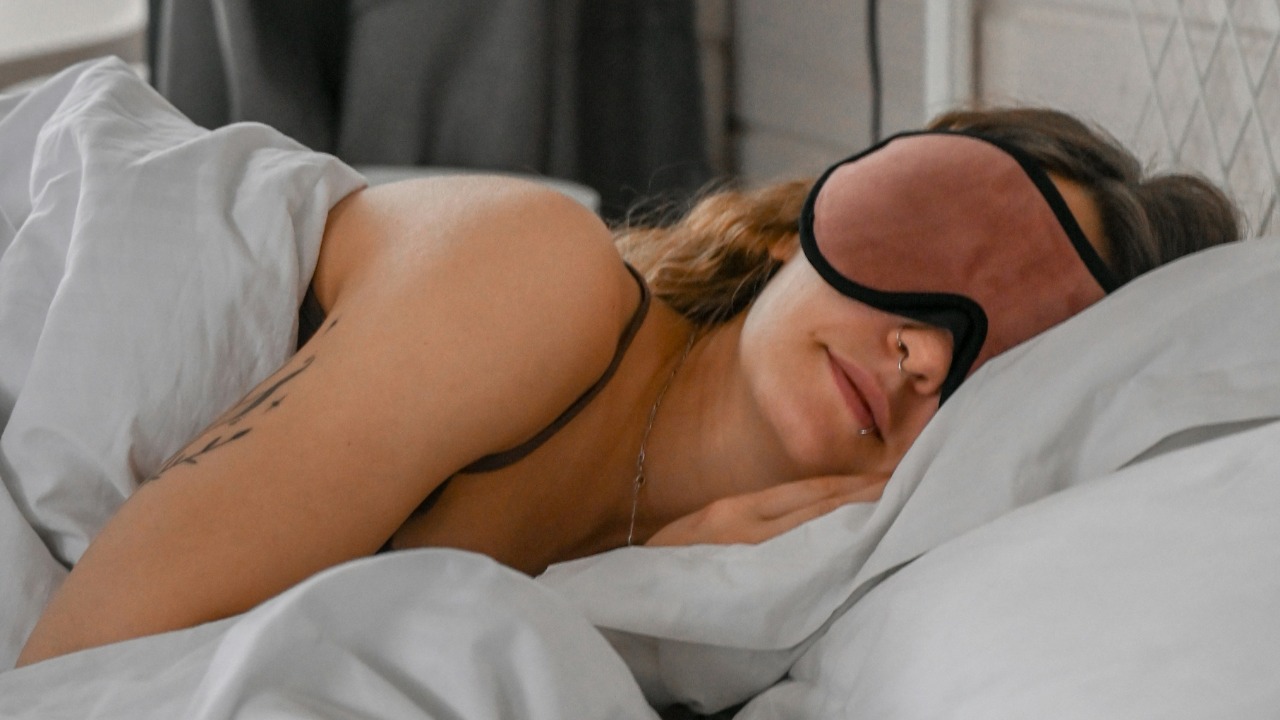
The feature will examine physiological signals collected while the user sleeps and look for breathing patterns associated with obstructive sleep apnea. When repeated disturbances suggest that a user may be at risk, the Samsung Health experience is expected to display a notification recommending further medical review.
Samsung has not disclosed the Galaxy Ring’s complete detection process, but its existing Galaxy Watch feature uses blood-oxygen measurements to analyse changes associated with apnea and hypopnea patterns. Samsung’s Watch implementation then estimates an Apnea-Hypopnea Index, which represents how frequently breathing interruptions occur during sleep.
The updated Galaxy Ring is expected to use the hardware already built into the device. Samsung’s official Galaxy Ring support guide confirms that the ring currently measures heart rate, blood oxygen and skin temperature during sleep. Those signals are already used to create sleep reports, but the new software will interpret them for a more specific health-related purpose.
Samsung has not yet confirmed exactly how many nights the ring will need to collect before producing an assessment. The current Galaxy Watch version monitors adult users over a two-night period, while early reporting about the ring suggests that several nights of suitable sleep data may be required. Until Samsung publishes final instructions, any precise setup process remains provisional.
FDA Clearance Makes This Upgrade Different
Many smart rings already record blood-oxygen changes, snoring indicators or nighttime breathing disturbances. The difference is that Samsung is positioning its new feature as an FDA-cleared risk-assessment tool rather than a general wellness insight.
The FDA’s classification for over-the-counter sleep apnea risk devices explains that such software analyses sensor signals and notifies previously undiagnosed users when their data indicates possible sleep apnea risk. The classification also makes clear that this type of device does not provide a standalone diagnosis and cannot replace established medical testing.
Samsung previously received FDA De Novo authorisation for its Galaxy Watch Sleep Apnea Feature in February 2024. The original authorisation established a regulatory category for an over-the-counter device that assesses sleep apnea risk, and Samsung subsequently expanded its Watch feature to dozens of international markets.
Extending this technology to a ring matters because a lightweight device worn on the finger may be more comfortable overnight than a smartwatch. The Galaxy Ring weighs between 2.3 and 3.2 grams, depending on size, and Samsung advertises up to seven days of battery life. That design can make consistent overnight monitoring easier for people who dislike sleeping with a larger watch.
The Galaxy Ring Will Not Diagnose Sleep Apnea
The most important limitation is that the upgraded ring will not determine conclusively whether someone has sleep apnea. It will identify signals that could indicate increased risk and encourage the user to consult a qualified healthcare professional.
The FDA states that an over-the-counter risk-assessment wearable is not intended to replace polysomnography or other traditional diagnostic procedures. It also should not be treated as an apnea monitor or used by clinicians as the sole basis for diagnosing a sleep disorder.
The distinction protects users from interpreting an app notification as a final medical conclusion. Poor sensor contact, unusual sleeping positions, temporary illness, alcohol consumption and other factors may influence nighttime measurements. Conversely, the absence of an alert does not guarantee that the wearer has no sleep-related breathing disorder.
The National Heart, Lung, and Blood Institute’s sleep apnea guidance explains that diagnosis commonly involves an assessment of symptoms and risk factors followed by a sleep study. Such studies can determine the type and severity of the condition by measuring breathing, oxygen levels, heart activity and other physiological signals.
Why Detecting Possible Sleep Apnea Matters
Sleep apnea causes breathing to repeatedly stop and restart during sleep. Obstructive sleep apnea, the most common form, occurs when the upper airway becomes blocked and airflow is reduced or temporarily stopped.
A person may remain unaware of the condition because many of its clearest symptoms occur while that person is asleep. Loud snoring, gasping, interrupted breathing and repeated awakenings may be noticed first by a partner. Daytime signs can include tiredness, difficulty concentrating, morning headaches and poor-quality sleep.
Untreated sleep apnea can affect more than daily energy. The NHLBI reports that it can increase the risk of high blood pressure, heart attack, stroke and other serious health problems. Earlier identification can therefore encourage people to seek professional testing before the condition causes further complications.
This is where the Galaxy Ring could provide real value. A person may purchase the device for activity tracking or a daily Energy Score, then receive an unexpected warning based on patterns collected over multiple nights. The ring would not provide treatment, but it could reveal a reason to begin a medical conversation.
Existing Sleep Tracking Already Provides the Foundation
The Galaxy Ring currently tracks sleep duration, sleep stages, nighttime heart rate, blood oxygen and skin temperature. Samsung Health uses these measurements to produce sleep insights and contribute to the user’s Energy Score.
Samsung has also expanded its sleep ecosystem through features such as Sleep Time Guidance, mindfulness tools and SmartThings-based environmental reports. The environmental system can analyse bedroom conditions including temperature, humidity, light intensity and air quality, then recommend adjustments intended to improve sleep.
Sleep apnea risk detection changes the purpose of those nighttime sensors. Instead of only explaining whether the user slept well, the ring will attempt to identify whether breathing disruptions may be contributing to poor rest.
That represents an important shift for consumer wearables. Sleep scores can be interesting but sometimes lack a clear next step. A risk notification connected to a recognised medical condition is more actionable because it tells the user when professional assessment may be appropriate.
How It Compares With Other Smart Rings
Competing smart rings already offer related forms of respiratory monitoring. Oura provides information about nighttime breathing disturbances, while RingConn has offered a manually activated sleep apnea assessment feature. However, reporting following Samsung’s announcement indicated that neither competing implementation carried the same specific FDA clearance for sleep apnea risk monitoring at that time.
This does not automatically make every Galaxy Ring measurement more accurate than every competitor. FDA clearance relates to the reviewed medical purpose, evidence and regulatory requirements of the feature. It should not be interpreted as a general declaration that Samsung’s ring is superior in all sleep, fitness or wellness metrics.
The practical advantage is clearer: Galaxy Ring users will receive a feature specifically authorised to assess potential sleep apnea risk, provided they meet the eligibility requirements and live in a supported market.
Availability May Be Limited at Launch
Samsung expects to release Galaxy Ring sleep apnea risk detection in autumn 2026, but regulatory health features rarely launch everywhere simultaneously. Availability may depend on local approval, the paired Galaxy smartphone, the Samsung Health Monitor app and the software version running on each device.
Samsung’s existing Watch feature is intended for adults aged 22 and older who have not previously been diagnosed with sleep apnea. It is not designed for continuous everyday monitoring or for managing an established diagnosis. Samsung has not confirmed whether every one of those restrictions will apply identically to the ring, but similar limitations are likely given the feature’s intended purpose.
Users should therefore wait for Samsung’s final regional instructions before assuming that every Galaxy Ring will receive immediate access. The company will also need to clarify whether any Galaxy phone models, Android versions or app updates are mandatory.
This Could Become the Galaxy Ring’s Most Valuable Feature
The Galaxy Ring originally entered a market led by devices focused on sleep scores, recovery and daily wellness. FDA-cleared sleep apnea risk detection gives Samsung a clearer reason for people to choose its product beyond ecosystem integration or personal design preference.
The upgrade will not transform the ring into a doctor, and it will not eliminate the need for a clinical sleep study. Its value lies in noticing possible warning signs during ordinary overnight use and helping users recognise when poor sleep may involve more than an inconsistent schedule.
For existing owners, the announcement also shows that Samsung intends to expand the original ring rather than abandon it after one hardware generation. A software update that turns familiar sensors into a regulated health-risk tool may prove more meaningful than a minor battery or design revision.
When the feature arrives, the Galaxy Ring could become one of the most discreet ways to check for possible nighttime breathing disruptions. Used responsibly, its greatest benefit may not be a better sleep score, but an earlier reason to seek proper medical advice.