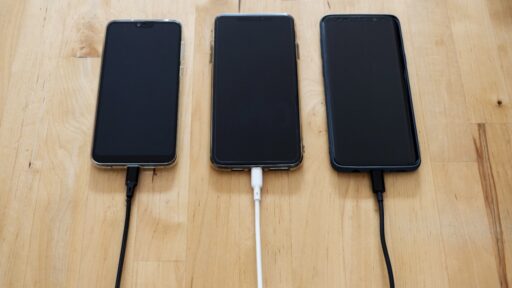
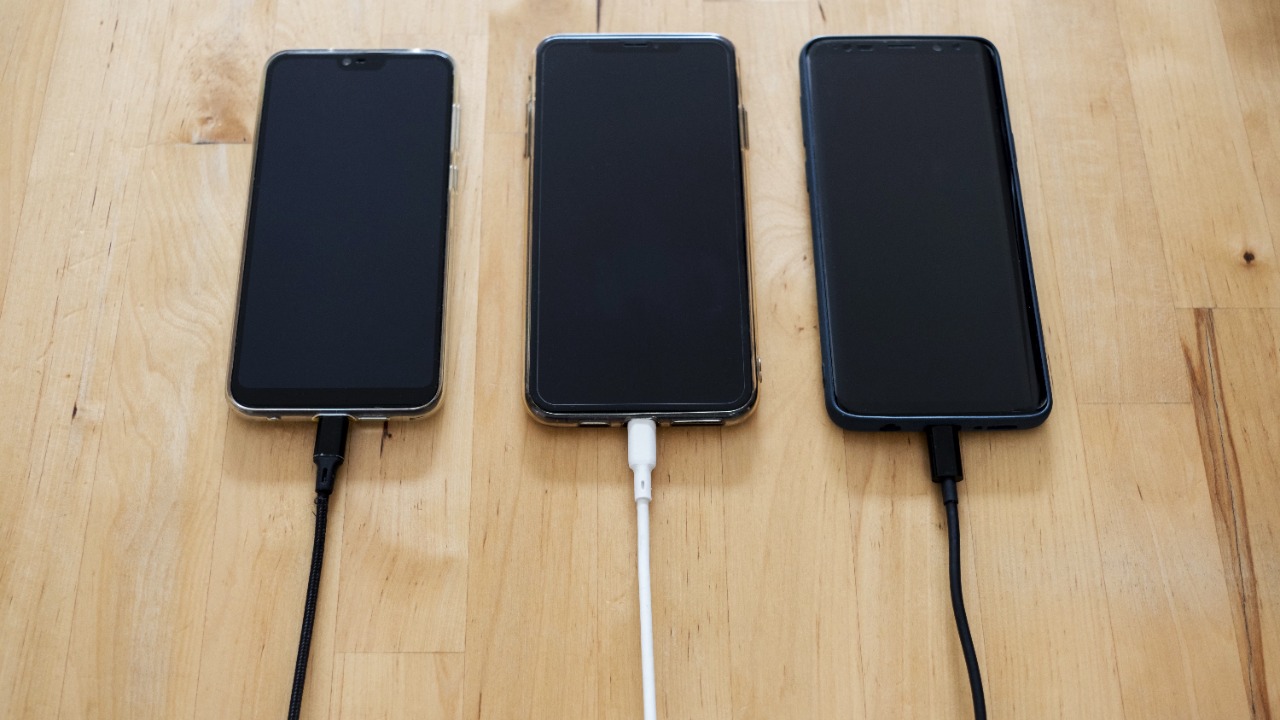

A low-cost USB cable is not automatically dangerous. Many inexpensive cables can charge a phone safely, especially when they come from a reputable manufacturer and comply with the relevant USB or device-certification standards.
The real problem is that price alone does not reveal build quality. A very cheap, counterfeit or poorly manufactured cable may use undersized wires, weak connectors, inadequate insulation or incorrect internal components. These defects can cause slow charging, excessive heat, unstable connections and, in unusual cases, damage to the phone or charger.
The risk also depends on what the cable is connected to. A questionable cable paired with a poorly made wall adapter creates a more serious hazard than the same cable connected to a properly designed, certified charger.
The safest conclusion is that an affordable USB cable can be fine, but an unbranded bargain cable with unclear specifications is not worth risking an expensive phone.
Cheap Does Not Always Mean Unsafe
Large accessory manufacturers can sell cables inexpensively because they produce them in high volumes and use standardized designs. A basic cable may also cost less because it supports only ordinary charging and USB 2.0 data speeds rather than high-power charging, fast data transfer or video output.
That type of cost reduction is not necessarily unsafe.
A cable becomes concerning when the low price reflects missing quality control, inferior conductors, counterfeit certification marks or construction that does not meet USB requirements.
Two cables can look nearly identical from the outside while having very different internal designs. One may contain adequately sized copper conductors and properly assembled connectors. Another may use thinner wires, poor soldering or limited shielding.
The USB Implementers Forum maintains the official USB specifications and certification programs used by compliant manufacturers. Its certification and logo system is intended to help buyers identify products tested for defined USB performance requirements.
Certification does not guarantee that a cable will never fail, but it provides more assurance than an anonymous product making unsupported claims.
A Bad Cable Can Overheat
Charging transfers electrical current through small conductors inside the cable. Those conductors have resistance, and some electrical energy is converted into heat as current passes through them.
A properly built cable uses conductors large enough to handle its rated current without becoming excessively hot. A poorly made cable may use extremely thin wires to reduce manufacturing costs.
Higher resistance can cause the cable to waste energy as heat and reduce the voltage reaching the phone. The result may be slow charging, repeated connection failures or warmth around the cable and plug.
The greatest concern is usually near the connector, where bending, poor solder joints and weak strain relief can create localized resistance. A cable may feel cool along most of its length while becoming dangerously hot near one end.
A slight temperature increase during fast charging can be normal. A connector that is painful to touch, smells like hot plastic, shows discoloration or begins softening should be disconnected immediately.
The cable should not be tested again after visible melting, exposed conductors or significant overheating.
USB-C Cables Can Carry Much More Power Than Older Cables
USB-C is not a single charging speed. The connector can support a wide range of power and data capabilities depending on the cable, charger and connected device.
Modern USB Power Delivery systems can negotiate substantially more power than older USB charging arrangements. This makes correct cable identification and construction especially important.
Certain high-power USB-C cables contain an electronic identification component known as an e-marker. It communicates the cable’s supported current and capabilities to connected devices.
A properly functioning system should prevent the charger from delivering more power than the cable advertises. However, a defective, incorrectly wired or counterfeit cable may not communicate correctly.
This does not mean every low-cost USB-C cable will send dangerous power into a phone. Phones and reputable chargers include protective circuits and negotiate charging levels. The concern is that a noncompliant accessory may defeat assumptions built into that protection system.
Recent repair reporting has linked faulty or poorly constructed USB-C accessories with damaged charging ports, unresponsive devices and motherboard failures, although cable-related damage remains far less common than ordinary wear or liquid exposure.
The Wall Charger May Be More Dangerous Than the Cable
Consumers often refer to the cable and power adapter together as the “charger,” but they perform different jobs.
The wall adapter converts high-voltage household electricity into low-voltage power suitable for the phone. The cable carries that power from the adapter to the device.
A defective cable mainly creates risks through heat, incorrect wiring, physical damage or poor power communication. A defective wall adapter is connected directly to mains electricity and may create more serious risks involving electric shock, fire or damaging voltage.
Poorly designed counterfeit adapters may have inadequate separation between high-voltage and low-voltage circuits. They may also lack proper overcurrent, overvoltage and temperature protection.
Apple has previously warned that counterfeit or uncertified charging accessories may become hot, fail to charge correctly, damage a device or fit poorly. Its support guidance explains how to identify suspicious Lightning connectors and recommends certified accessories.
Therefore, replacing a lost original charger with an unknown adapter and unknown cable creates greater uncertainty than using a reputable adapter with an inexpensive but properly rated cable.
A Cheap Cable May Damage the Charging Port
The electrical design is only one consideration. Mechanical quality also matters.
A badly shaped connector may be too tight, too loose or slightly misaligned. Repeatedly forcing it into the phone can wear the port or damage its internal contacts.
Weak connectors may separate from the cable after repeated bending. In some cases, part of the plug can remain lodged inside the device.
Poor strain relief is another warning sign. This is the reinforced area where the cable enters the plug. Without adequate support, internal wires may break as the cable bends.
A partially broken conductor can create intermittent charging. The phone may repeatedly connect and disconnect, particularly when the cable is moved.
That behavior is inconvenient, but it can also generate additional heat at the damaged point. A cable that works only when held at a specific angle has already failed and should be replaced.
The Cable Can Limit Charging Speed
A phone and charger may support fast charging, but the cable must also support the required current and communication protocol.
A basic low-cost cable may charge safely while operating much more slowly than expected. This is not necessarily evidence of a dangerous product. It may simply be rated for lower power.
Some USB-C cables are designed only for charging and slow USB 2.0 data. Others support higher data speeds, video output and laptop-level power delivery.
Marketing language can be misleading. Phrases such as “fast charge,” “super speed” or “high power” mean little unless the seller provides specific supported wattage, current and USB standard.
A cable advertised for 240-watt charging should meet more demanding requirements than one intended for an ordinary phone. Paying more may therefore purchase additional capability rather than additional safety alone.
The buyer should match the cable to the device rather than assuming the highest advertised number is always necessary.
Counterfeit Lightning Cables Create Additional Concerns
Older iPhones and some Apple accessories use the Lightning connector.
Apple’s Made for iPhone certification program allows approved accessory manufacturers to use required components and demonstrate compatibility. Apple also provides an official accessory-search tool for checking products that have completed MFi certification.
An uncertified Lightning cable may still charge under certain conditions, but it can trigger accessory warnings, stop working after software updates or provide inconsistent performance.
Counterfeit products may copy packaging and certification symbols, so the logo alone is not always sufficient. Apple advises inspecting connector construction, USB contacts and printed markings when authenticity is uncertain.
For newer USB-C iPhones, MFi certification does not apply to an ordinary USB-C charging cable in the same way it did to Lightning. Buyers should instead look for accurate USB specifications, reliable sellers and appropriate USB-IF certification where available.
Public USB Cables Introduce a Data-Security Risk
A USB cable may carry both power and data.
That means an unfamiliar cable connected to an unknown public charging system can create a different concern from electrical safety. A malicious or modified charging setup could potentially attempt to communicate with the phone.
Security research has demonstrated techniques for exploiting charging connections or controlled charging stations to transmit or extract information under certain conditions.
Modern phones generally ask for permission before exposing files or trusting a connected computer, but users should not approve unexpected prompts while charging.
A power-only USB adapter, sometimes called a data blocker, can physically prevent the data connections from being used. Charging through the owner’s wall adapter and cable is usually a safer option than connecting directly to an unknown public USB port.
This risk is not specifically caused by the cable being cheap. It comes from using an untrusted cable or charging source whose internal design is unknown.
Warning Signs That a Cable Should Be Replaced
A cable should be removed from service when the outer insulation is split, wires are exposed or the connector is bent.
Persistent overheating, a burning smell, black marks and melting are stronger signs of immediate danger.
Frequent disconnecting, visible corrosion and charging that starts only after moving the plug also indicate failure.
A connector should fit securely without requiring force. Any cable that sparks when inserted, makes crackling sounds or causes the phone to display repeated charging warnings should not be reused.
The charger and phone should also be inspected because the cable may not be the only source of the problem. Dust, liquid damage or a worn charging port can create similar symptoms.
How to Buy a Safe Affordable Cable
A safe cable does not need to carry the phone manufacturer’s logo. It should come from an identifiable brand or seller that provides clear technical information and a warranty.
The product description should state the connector type, supported power, data speed and certification rather than relying on vague claims.
Reviews can reveal recurring problems such as overheating, loose connectors or early failure, but reviews should not replace certification and seller credibility.
Extremely low prices, copied packaging, missing manufacturer details and inconsistent specifications are warning signs.
Buyers should also avoid unnecessarily long cables when fast charging matters. Longer conductors can create more resistance, particularly when the manufacturer uses thin wire.
The Final Verdict
Charging a phone with a cheap USB cable can be safe when the cable is properly made, correctly rated and purchased from a trustworthy seller.
The price itself is not the main danger. The risks come from counterfeit products, thin conductors, poor insulation, defective connectors and false claims about supported power.
A low-quality cable may charge slowly, become hot, damage the charging port or interfere with power negotiation. Pairing it with an unsafe wall adapter increases the potential for serious damage.
For ordinary phone charging, there is no need to buy the most expensive cable available. There is also little reason to trust an anonymous accessory that costs far less than comparable certified products.
A reliable, correctly specified cable is inexpensive compared with the cost of repairing a charging port, replacing a damaged phone or dealing with an electrical fire.