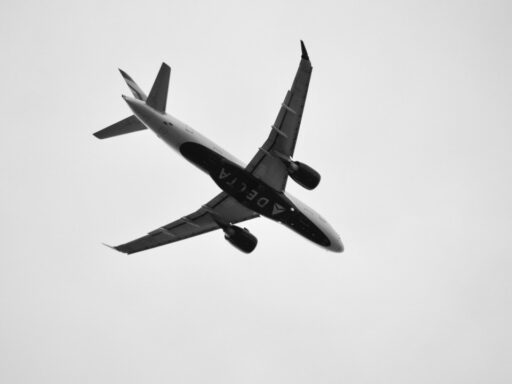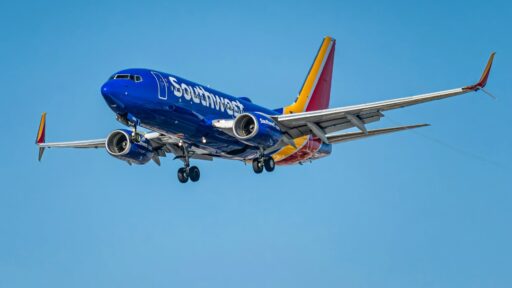
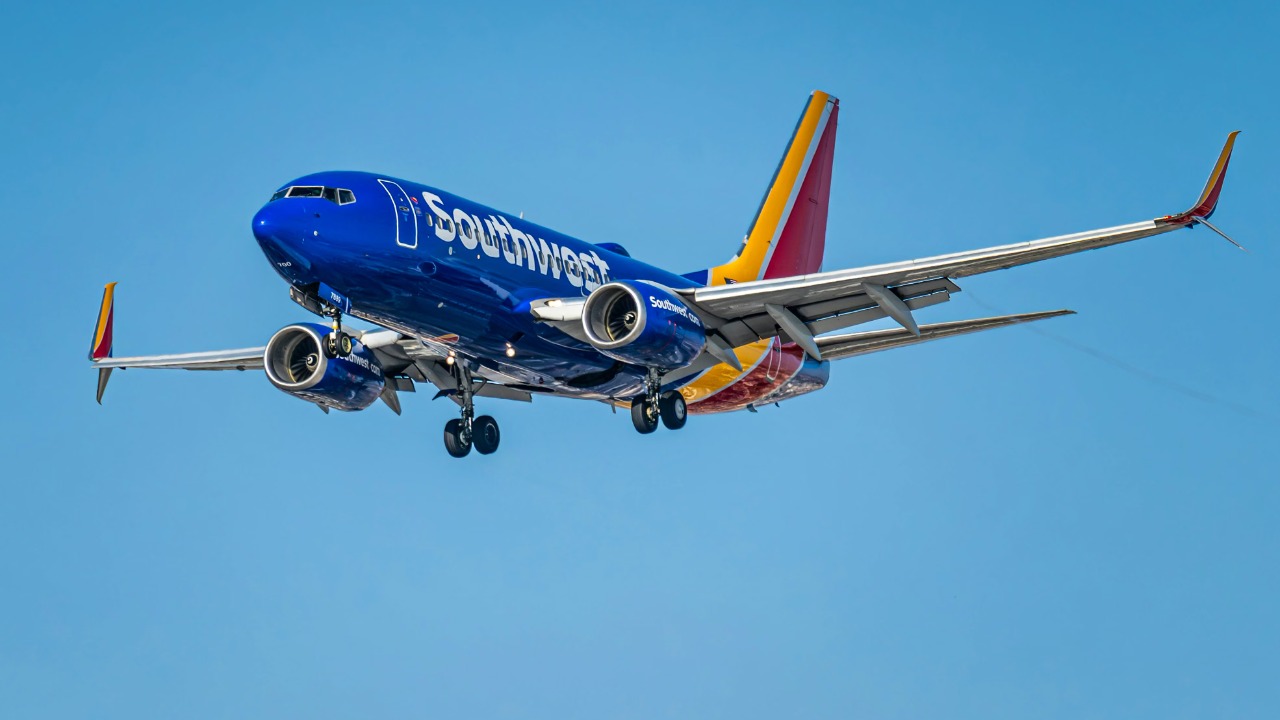

A Southwest Airlines jet declared an in-flight emergency and reversed course over the Pacific Ocean after a passenger developed a medical problem during a flight from Maui to Las Vegas.
Southwest Flight 139 departed Kahului Airport on Sunday, July 5, 2026, at approximately 8:40 p.m. local time. About 90 minutes into the overnight journey, the Boeing 737 MAX 8 turned back toward Hawaii while flying at an altitude of roughly 32,500 feet.
The pilots diverted to Daniel K. Inouye International Airport in Honolulu, where the aircraft landed safely shortly before midnight. Southwest confirmed that the diversion was prompted by a customer’s medical emergency rather than a mechanical problem with the aircraft.
The Flight Was Travelling From Maui to Las Vegas
Flight 139 was scheduled to operate from Kahului on the island of Maui to Harry Reid International Airport in Las Vegas.
The nonstop route normally takes approximately five and a half hours and requires the aircraft to spend a significant portion of the journey over open ocean. After flying east toward the mainland for about 90 minutes, the aircraft changed direction and returned toward the Hawaiian Islands.
Although some descriptions said the jet “turned back to Honolulu,” Honolulu was not its departure airport. The flight originated in Kahului and diverted to Honolulu because that was the appropriate airport under the emergency-routing procedures used for Hawaii-to-mainland flights.
The Pilots Used the Emergency Code 7700
Flight-tracking information indicated that the crew selected transponder code 7700 during the incident.
Known in aviation as “squawking 7700,” the code alerts air-traffic controllers that an aircraft is experiencing a general emergency and may require priority handling.
It does not reveal the specific nature of the problem. Pilots may use it for medical events, mechanical failures, smoke, pressurization problems or other urgent situations.
Once the code is activated, air-traffic controllers can give the aircraft priority, coordinate an appropriate diversion and ensure that emergency personnel are prepared at the destination airport. In this case, Southwest later clarified that the emergency involved a passenger’s health.
Why the Flight Diverted to Honolulu
A Southwest spokesperson said the decision to use Honolulu rather than return directly to Kahului was influenced by the Federal Aviation Administration’s operational boundary for Hawaii-to-mainland service.
Aircraft flying between Hawaii and the continental United States follow established procedures that help crews determine whether to continue toward the mainland or return to an airport in Hawaii when an emergency develops.
The safest destination can depend on the aircraft’s exact position, remaining fuel, weather conditions, medical urgency, airport facilities and the time required to reach each available runway.
Honolulu is Hawaii’s largest airport and has extensive emergency, medical, maintenance and airline-support resources. These capabilities can make it the most suitable option during an urgent diversion, even when the aircraft originally departed from another Hawaiian island.
The Aircraft Landed Safely
Flight-tracking information showed that the plane arrived at Honolulu shortly before midnight after spending more than three hours in the air.
There were no reports of a mechanical failure, emergency evacuation or injuries connected to the landing itself. Southwest did not disclose the passenger’s identity, medical condition or eventual outcome, which is common when airlines discuss medical diversions because of privacy considerations.
The Boeing 737 MAX 8 remained under the control of the flight crew throughout the incident, and the emergency declaration allowed the aircraft to receive priority assistance during its return.
Passengers Faced an Extended Travel Delay
The diversion left the remaining passengers in Honolulu rather than at their intended destination in Las Vegas.
Southwest arranged an additional flight from Honolulu to Las Vegas for the affected travelers. The airline acknowledged that placing a replacement aircraft and crew in Hawaii could take time because fewer spare planes and crew members are available there than at a large mainland operating base.
Airline crews are also subject to federal limits on flight and duty time. A crew that has already spent several hours operating a diverted flight may no longer be legally available to continue, even when the original aircraft is technically capable of flying.
The airline must then locate a qualified replacement crew, confirm that an aircraft is available and coordinate departure slots, fueling and passenger handling.
Why Medical Emergencies Lead to Diversions
Medical incidents are among the reasons commercial flights make unscheduled landings.
Cabin crews receive training in first aid and have access to emergency medical equipment, but an aircraft cannot provide the same level of diagnosis or treatment as a hospital.
When a passenger becomes seriously ill, the captain works with cabin crew members, airline operations personnel and, in many cases, medical professionals contacted through a ground-based consultation service.
The final decision to divert belongs to the captain. Factors can include the passenger’s symptoms, whether the condition is worsening, the time remaining to the destination, nearby airports and the operational risks associated with changing course.
Over the Pacific, the decision can be particularly difficult because suitable diversion airports may be hours apart.
A Diversion Does Not Automatically Mean the Aircraft Was Unsafe
An emergency declaration can sound alarming, but it does not necessarily indicate that the plane was in danger of crashing.
Pilots use formal emergency procedures to obtain priority and reduce delays when time is important. In a medical case, the aircraft itself may be operating normally while the urgency comes from the need to get a passenger to professional care.
The decision to divert is generally precautionary and intended to prevent a medical condition from becoming more serious during the remaining hours of the flight.
The safe landing in Honolulu indicates that the diversion procedure worked as intended.
What Happens During an In-Flight Medical Emergency
When a passenger becomes ill, cabin crew members first assess the situation and provide assistance using their training and the equipment available onboard.
They may ask whether a doctor, nurse, paramedic or other qualified medical professional is travelling on the flight. However, the crew remains responsible for coordinating the response and communicating information to the cockpit.
Many commercial aircraft carry automated external defibrillators, supplemental oxygen and medical kits. The exact contents can vary according to regulations, airline policy and the route being operated.
The pilots may contact airline medical advisers through radio or satellite communications. Those advisers can help determine whether the passenger can safely continue to the planned destination or requires a faster landing.
Why Details About the Passenger Were Limited
Southwest confirmed that the diversion involved a customer medical issue but did not provide additional information.
Airlines typically avoid releasing a passenger’s name, diagnosis or treatment details unless the individual or family chooses to make them public. This protects medical privacy and prevents unconfirmed information from spreading.
A lack of detail therefore should not be interpreted as evidence that the incident was minor or severe. It simply means the airline confirmed only the information necessary to explain the diversion.
What Passengers Can Do During a Medical Diversion
Passengers should remain seated and follow the cabin crew’s instructions while medical assistance is being provided.
Aisles may need to remain clear so crew members and responding medical professionals can reach the affected traveler. Passengers should avoid recording or photographing the individual because the person is experiencing a private and potentially distressing event.
After landing, emergency medical personnel may board before other passengers are permitted to leave. This can delay deplaning, but it allows the patient to receive care without unnecessary obstruction.
Travelers affected by a diversion should monitor the airline’s app, text messages and gate announcements for replacement-flight information. They can also review Southwest’s official travel-disruption policies through the Southwest Airlines customer-support website.
The Main Takeaway
Southwest Flight 139 was travelling from Kahului to Las Vegas when a passenger medical emergency developed over the Pacific on July 5, 2026.
The pilots declared an emergency, selected transponder code 7700 and diverted to Honolulu. The Boeing 737 MAX 8 landed safely, and Southwest arranged another flight to carry the disrupted passengers to Las Vegas.
The event did not involve a publicly reported mechanical failure. It was an emergency response intended to bring an ill passenger closer to medical care as quickly and safely as the flight’s position allowed.