
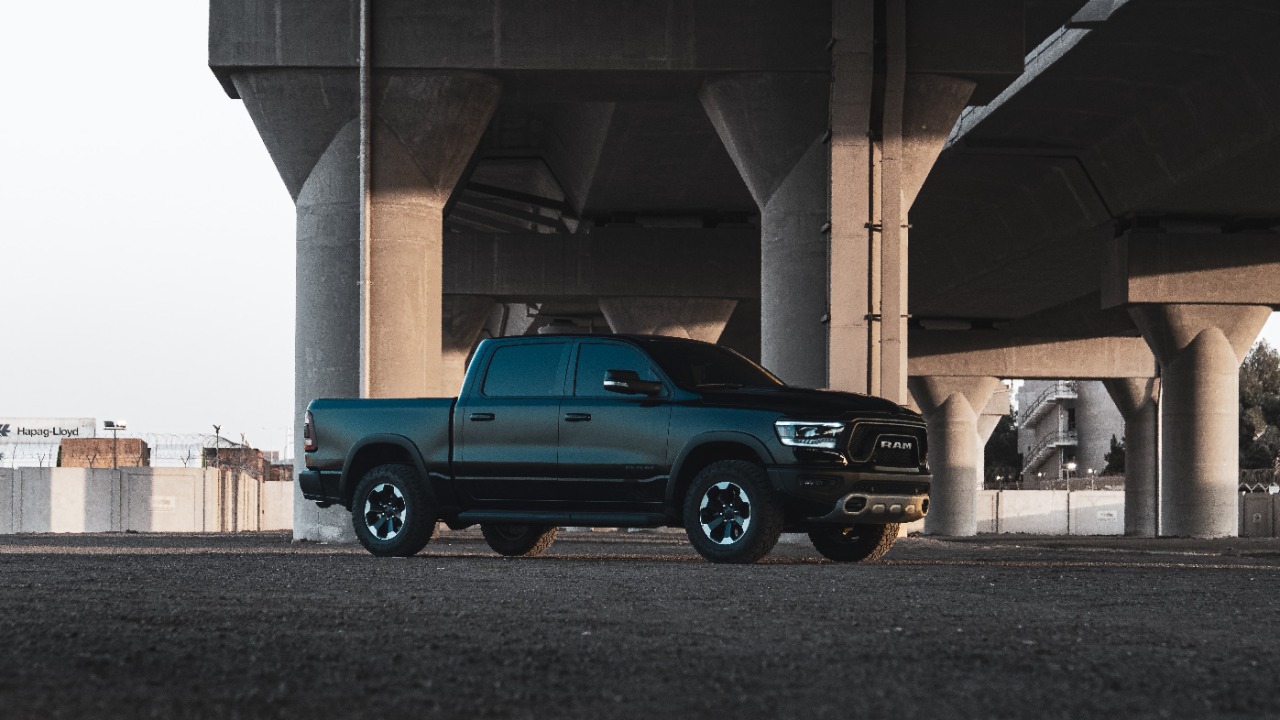

Ram’s latest safety recall comes with an unusually vivid warning: some heavy-duty pickups can drive faster than their factory tires are rated to handle, potentially leading to blowouts and loss of control. For owners who use these trucks for towing, hauling, or long highway trips, the gap between the truck’s top speed and the tire’s capability can turn a routine drive into a high-risk situation.
How the Ram speed and tire mismatch triggered a recall
The recall centers on Ram 2500 pickups whose maximum governed speed exceeds the speed rating of the tires installed from the factory. In plain terms, the truck’s powertrain and software allow it to go faster than the tires were designed to sustain, which can cause overheating, tread separation, and sudden failure at highway speeds.
According to recall documents summarized in an industry report, affected Ram 2500 models are equipped with tires that carry a lower speed rating than the truck’s electronic limiter. That mismatch violates basic vehicle engineering practice, which calls for the vehicle’s top speed to stay within the tire’s tested envelope with a margin of safety. The concern is not only peak speed on an empty road, but also sustained high-speed driving while loaded or towing, which adds heat and stress to the tire carcass.
In the recall notice, the manufacturer describes the risk as an increased chance of tire failure if drivers approach the truck’s maximum speed. A blowout on a heavy-duty pickup, especially one pulling a trailer or carrying a full bed, can quickly escalate into a loss of steering control or a rollover. The recall language points to the possibility of crashes and injuries, not just tire damage.
The issue came to light through field reports that linked high-speed tire failures to trucks configured with these specific tires. Engineers traced the pattern to trucks where the limiter allowed speeds that exceeded the tires’ speed symbol. That analysis prompted the company to notify the National Highway Traffic Safety Administration and prepare a remedy campaign.
What the recall changes for Ram 2500 owners
For owners, the recall is less about a visible defect and more about a software and configuration problem that sits in the background of every drive. The trucks may feel normal and the tires may look healthy, yet the combination of speed capability and tire rating leaves a hidden safety gap.
The recall remedy focuses on aligning the truck’s speed potential with the tires’ rating. Service instructions call for dealers to reprogram the powertrain control module to lower the governed top speed on affected Ram 2500 trucks, so the vehicle can no longer exceed the safe limit for the installed tires. In some configurations, dealers may also replace the tires with versions that carry a higher speed rating, bringing the hardware up to the truck’s original limiter instead of slowing the truck down.
Owners are being contacted with instructions to schedule a free service appointment. The work typically involves a software flash that takes less than an hour, plus tire inspection and potential replacement if the truck is fitted with the lower-rated rubber. Dealers are also expected to check for any signs of prior tire damage, such as sidewall bulges, tread separation, or uneven wear that might signal the truck has already been driven at risky speeds.
Until the recall work is complete, Ram advises owners of affected 2500 pickups to avoid high-speed driving, especially with heavy loads or trailers. That guidance effectively asks drivers to stay below typical interstate speeds in some regions, or at least to keep a generous buffer under the truck’s previous top-speed behavior, since the exact safe ceiling depends on the tire rating listed on the sidewall.
Why the Ram tire-speed problem matters right now
The recall lands at a moment when heavy-duty pickups are more powerful and more capable than ever, yet many owners still treat them like ordinary family vehicles. Modern Ram 2500 trucks can accelerate briskly to highway speeds while towing, and their cabins are quiet enough that drivers may not realize how fast they are traveling. That makes an invisible limit like a tire speed rating especially easy to ignore.
The case also highlights how safety hinges on the weakest link in a vehicle’s setup. Engineers can design strong frames, advanced stability control, and powerful brakes, but if the tires cannot handle the speeds the truck can reach, the entire system is compromised. Tire speed ratings are coded with letters on the sidewall that many drivers never decode, yet those letters represent laboratory tests that define how long a tire can survive at specific speeds under load.
There is also an economic angle. Many owners of Ram 2500 trucks use them for commercial work, from construction fleets to towing businesses. A tire failure that leads to a crash can take a vehicle out of service for weeks, disrupt contracts, and trigger insurance claims or liability disputes. Fleet operators who run multiple heavy-duty pickups have a direct financial incentive to ensure every truck in their lineup receives the recall fix promptly.
Regulators and safety advocates see this recall as part of a broader pattern in which powerful trucks and SUVs push the limits of traditional components. As manufacturers chase towing numbers and performance benchmarks, they must also make sure that every supporting part, including tires, is specified correctly. When that alignment slips, recalls like this one follow, along with renewed scrutiny from federal safety officials.
How drivers can respond and what to watch for next
For current Ram 2500 owners, the first step is to confirm whether their truck is covered by the recall. That can be done by checking the vehicle identification number on the manufacturer’s recall website or through federal recall lookup tools. If the truck is included, owners should schedule the repair as soon as possible and, in the meantime, keep highway speeds conservative, especially when hauling or towing.
Drivers can also take a more active role in understanding their tires. The sidewall lists the tire’s load index and speed symbol, which can be cross-checked against the truck’s owner’s manual and door-jamb placard. If replacement tires were installed at some point, their ratings may differ from the original equipment, which can introduce a new mismatch even after the recall work is done. Owners who opt for aftermarket wheels or off-road tires should confirm that the new setup still aligns with the truck’s speed potential and intended use.
For shoppers considering a used Ram 2500, the recall adds one more item to the inspection checklist. Prospective buyers should verify that any recall work has been completed, ask for service records, and visually inspect the tires for age and condition. A truck that still carries the original, lower-rated tires without the software update may present a higher risk until it visits a dealer.
Looking ahead, the recall is likely to influence how manufacturers calibrate speed limiters and specify tires on heavy-duty models. Engineers may build in larger safety margins between a truck’s governed speed and the tire rating, or they may restrict top speeds more aggressively on work-focused trims that are expected to tow and haul near their limits. Regulators could also push for clearer labeling or digital alerts that warn drivers when they approach speeds that strain their tires.
For now, the message from the Ram 2500 recall is straightforward: a truck’s capability is only as safe as the tires under it. When a pickup can outrun its own rubber, the fix is not optional; it is essential maintenance that protects everyone sharing the road.