
NASA is spending this week inside the towering Vehicle Assembly Building at Kennedy Space Center tracking down a helium leak that has already pushed back the first crewed Artemis mission. The Artemis II Space Launch System rocket and Orion spacecraft are back under cover so engineers can reach the problem hardware, validate a fix and clear the way for four astronauts to fly around the Moon.
The work is both a technical troubleshooting effort and a symbolic test of how NASA manages risk as it reshapes its broader Artemis schedule. Each step inside the Vehicle Assembly Building, from opening access platforms to inspecting tiny seals, feeds into a larger question of when the agency will be ready to send people to lunar distance again for the first time in more than 50 years.
How a helium leak halted Artemis II at the pad
The current repair push began when teams saw unexpected behavior in the helium system that supports the upper stage of the Artemis II Space Launch System rocket. NASA described the problem as a helium flow issue tied to the tubing that fills the upper stage, a system that must remain fully charged so valves and other components can operate correctly during fueling and flight. Concerns about that flow, combined with the need to protect the hardware, led NASA to postpone the launch that would have sent astronauts on the first crewed trip around the Moon in more than half a century and to prepare a rollback from Launch Complex 39B for detailed inspection of the Artemis II Space Launch System, or SLS, and the Orion spacecraft.
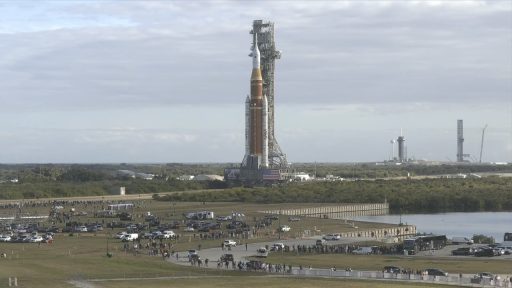
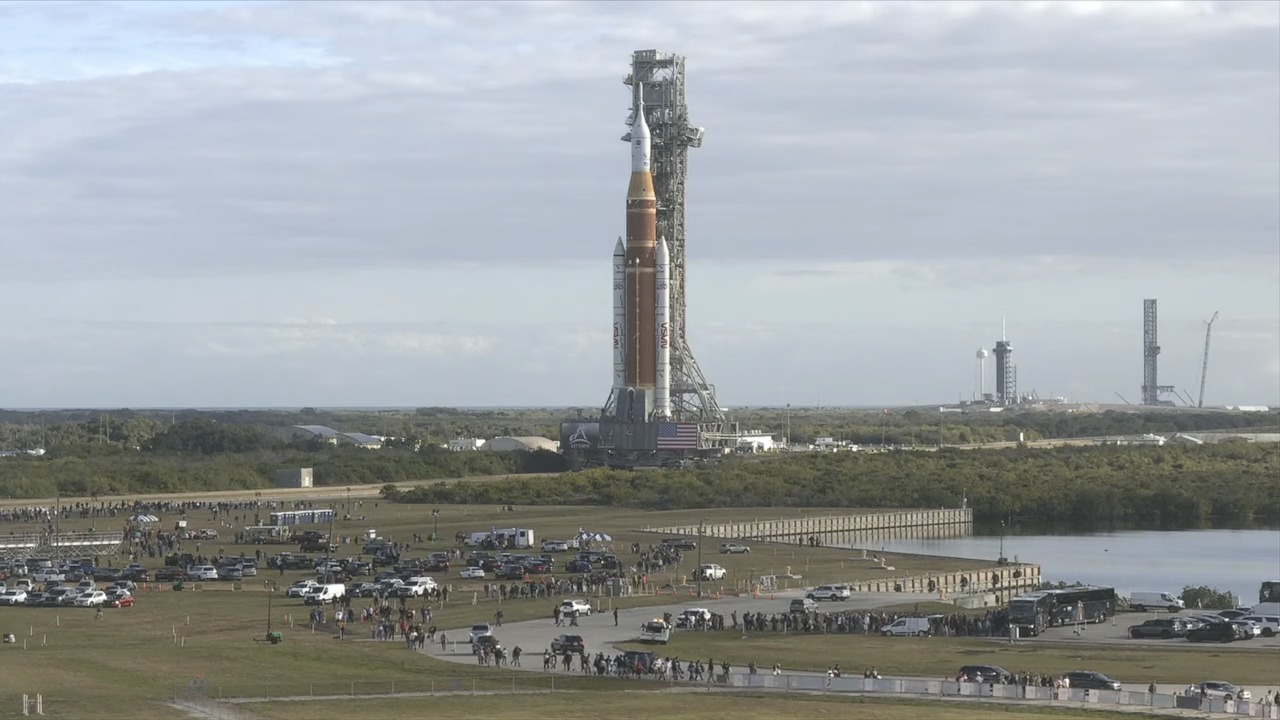
On Feb. 25, NASA moved the full Artemis 2 stack off the pad and began its slow trek back to the Vehicle Assembly Building, or VAB, a journey that ended that evening when the rocket reached the cavernous high bay where Saturn V and shuttle stacks once stood. NASA said the Artemis 2 stack reached the VAB at about 8 p.m. EST, which corresponded to 0100 GMT on Feb. 26, after the crawler carried the Artemis hardware away from the coastal launch site. The rollback decision followed earlier public updates that NASA was evaluating a possible return of Artemis II and Orion to the Vehicle Assembly Building at Kennedy Space Center to troubleshoot the helium system and protect the vehicle from the coastal environment.
Inside the VAB, engineers zero in on suspect hardware
With the Artemis II SLS and Orion back in the Vehicle Assembly Building in early Feb, the priority shifted from weather and pad access to precision work on the helium plumbing deep inside the rocket structure. Engineers have narrowed the issue preventing the helium flow to two potential components, a seal on the tubing’s quick disconnect and a section of the tubing itself that feeds the upper stage. That diagnosis reflects weeks of data review from earlier fueling tests and rehearsals, including a recent campaign where teams conducted repairs and analysis ahead of a planned Artemis II fueling test and confirmed that the crew access arm could remain extended without affecting the ground launch sequencer.
While the Artemis II rocket and spacecraft are in the Vehicle Assembly Building, teams are inspecting the tubing that fills the upper stage and checking related items inside the crew module and service module that might be affected by helium supply or venting. NASA has described how the SLS core stage, upper stage and Orion stack were positioned in the VAB so that access platforms could swing into place around the affected area, giving technicians the ability to remove and replace the quick disconnect seal if inspections confirm damage. The same configuration also lets specialists examine avionics, the flight termination system and other critical systems that NASA has flagged for servicing while the vehicle is off the pad.
Repair playbook: from seal swap to system re-test
NASA’s repair plan follows a familiar pattern from shuttle and Apollo days, with a focus on isolating the fault, replacing suspect parts and then re-testing the full system before committing to another launch campaign. Inside the VAB, engineers are prepared to remove the quick disconnect hardware, replace the seal and, if necessary, swap out the tubing segment that carries helium to the upper stage. The agency has described this as part of a broader package of work that also includes opportunities to inspect Orion’s crew module, service module and associated ground interfaces while access is available. That approach takes advantage of the rollback to address any latent issues that surfaced during earlier wet dress rehearsals and fueling tests.
NASA’s Artemis blog has framed the current phase as a period when the Artemis II rocket returns for repairs and servicing, with the SLS, formally known as the Space Launch System, and Orion positioned so teams can reach the helium system and also service the flight termination system that must be certified before launch. The same update explained that the SLS and Orion stack came back to the VAB not only for helium troubleshooting but also to allow technicians to work through a list of maintenance tasks that are difficult to complete at Launch Complex 39B, including checks on umbilicals, communications links and access equipment. By consolidating those jobs with the helium fix, NASA aims to reduce the risk of another rollback later in the campaign.
Schedule pressure and a shifting Artemis strategy
The helium leak has become a focal point for schedule discussions because Artemis II is already a delayed mission, and its slip ripples through the rest of NASA’s Moon plans. NASA has acknowledged that it has been struggling to launch the delayed Artemis II mission on a flight to send four astronauts around the Moon, and that reality fed into a broader decision to redirect the Artemis program and postpone a planned astronaut landing. One public briefing described how NASA redirects Artemis moon mission plans as part of a larger rethink of timelines, with commentary from Brendan Byrn that highlighted how technical issues on Artemis II and industry readiness for later lander missions are intertwined.
Separate analysis has described an Artemis II rollback accompanied by a major rethink of NASA’s Moon strategy, with a section labeled Artemis II Rollback, Access and Assurance that connects the helium system issue to a wider emphasis on safety and access for crews and ground teams. That discussion noted that post-test data indicated a helium system issue that required further inspection, which in turn justified bringing the rocket back to the VAB where it could be more thoroughly examined. In parallel, another report on Nasa announces change to its Moon landing plans, authored by Rebecca Morelle, has drawn attention to how these technical challenges are feeding into a revised sequence for lunar landings and flyby missions that stretches further into the decade.
What a successful fix would mean for the first crewed flight
For the four astronauts assigned to Artemis II, the helium repairs inside the Vehicle Assembly Building are the last major technical hurdle before the mission can move into a final launch campaign. NASA has emphasized that the Artemis II Rocket Returns for Repairs phase is designed to ensure that the SLS upper stage helium system, the Orion spacecraft and the flight termination system are all fully ready before the agency sets a new launch date. Once helium flow is validated through the repaired tubing and quick disconnect, teams will need to repeat portions of the fueling test sequence, verify that the crew access arm procedures still align with updated timelines and confirm that ground and flight software handle the helium system correctly.