
Apple is preparing one of its most consequential messaging overhauls in years, using iOS 26.4 to push traditional SMS to the sidelines and elevate RCS as the default way iPhones talk to other phones. The shift promises richer media, stronger security and a more consistent experience across platforms, turning the green‑bubble compromise into something closer to a native chat experience. It also lands at the same moment Apple is rolling out a new wave of AI features, which raises the stakes for how deeply messaging is woven into the broader iPhone experience.
For users, the change will be felt in everyday conversations, from family group chats that span iPhone and Android to basic tasks like sharing photos or locations. For carriers and rivals, it signals that Apple is finally aligning with a standard that Google and major networks have been pushing for years, and that the era of plain SMS as the backbone of mobile texting is effectively ending.
iOS 26.4: the update that sidelines SMS
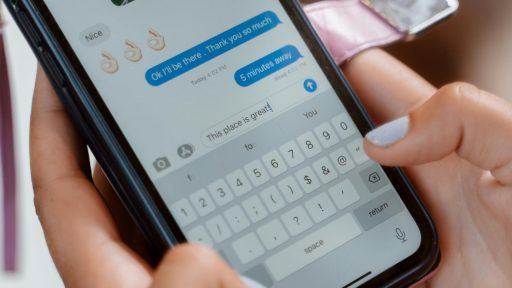
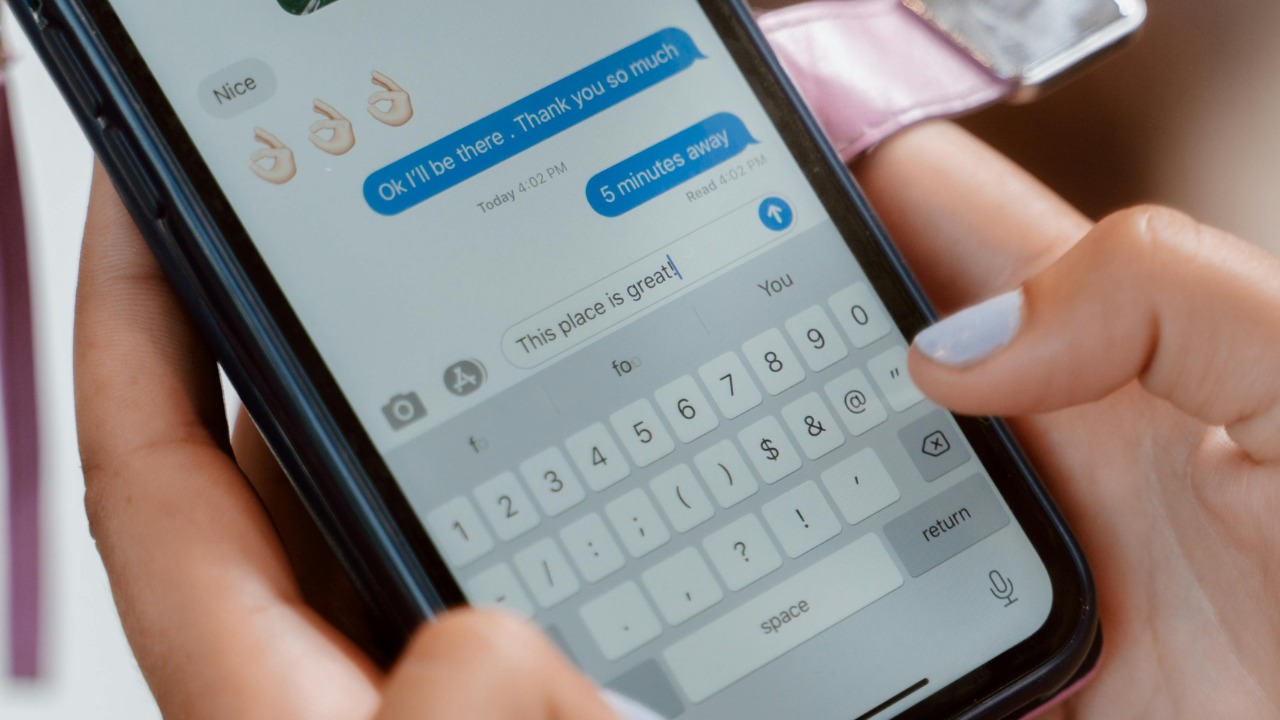
Apple is positioning iOS 26.4 as the release that moves its ecosystem away from legacy SMS and toward a modern, internet‑style protocol for basic texting. Reporting indicates that with iOS 26.4, Apple plans to “ditch” traditional SMS in favor of a much broader rollout of RCS support, reframing how iPhone users communicate with contacts who are not on iMessage. The goal is not to eliminate the Messages app, but to ensure that conversations that would previously have fallen back to bare‑bones SMS now benefit from richer capabilities that feel closer to iMessage itself.
Behind the scenes, this is a standards story as much as a product story. RCS is designed to replace SMS at the carrier level, and Apple’s embrace of it in iOS 26.4 means that the company is finally treating that standard as a first‑class citizen rather than a grudging fallback. The change is framed as a way to give users a “native chat experience” even when they are not in blue‑bubble territory, which is a significant philosophical shift for a company that has long used SMS’s limitations to highlight the advantages of its own platform.
Beta timing, AI features and the Siri connection
The timing of this transition is tightly linked to the broader iOS 26.4 roadmap. Apple is expected to release the first beta of version 26.4 later in Feb, giving developers and early adopters a first look at how RCS is integrated into Messages alongside other system‑level changes. Early guidance describes 26.4 as one of the most important iPhone updates in years, not only because of messaging, but because it is also expected to carry major upgrades to Siri and the company’s on‑device AI stack.
One report characterizes iOS 26.4 as a release packed with “big new features for Siri,” with coverage highlighting that Chance Miller and others see it as a turning point for voice interaction on the iPhone. Separate analysis notes that Mark Gurman of expects a “whole new brain” for Siri to arrive around late Feb, aligning with the 26.4 beta window. Another detailed rundown explains that iOS 26.4 is set to bring a smarter Siri, new Apple Intelligence features and a public release that could land by the end of March if testing goes smoothly, which would put the RCS rollout on a relatively aggressive schedule.
From “The End of SMS” to a new default for green bubbles
The symbolic weight of Apple’s move is hard to miss. One widely shared analysis framed the shift as “End of SMS,” describing how Apple Drives the Final Nail in the Coffin of Old Texting by rolling out a major Messages upgrade with iOS 26.4. That framing captures what is at stake: SMS is not disappearing overnight, but once Apple treats RCS as the standard path for cross‑platform chats, the old protocol becomes a legacy fallback rather than the default. For users, that means fewer broken group threads, less compression on photos and videos, and a more consistent experience when texting Android contacts.
Apple’s own Messages app sits at the center of this transition. The same commentary that talks about The End of SMS also emphasizes that Apple is using Messages as the vehicle for this change, rather than pushing users toward a separate app or service. By baking RCS into Messages, Apple keeps control of the user experience while still aligning with a standard that carriers and Android vendors have already embraced. It is a way of modernizing the green bubble without surrendering the blue bubble’s role as a premium tier inside the same interface.
How iOS 26.3 laid the groundwork for RCS
The pivot in iOS 26.4 did not come out of nowhere. Earlier work in iOS 26.3 quietly prepared the platform for a deeper RCS integration, with code and carrier bundles hinting at improved iPhone‑to‑Android texting. Reporting on that beta noted that, Starting with the iOS 26.3 beta, Apple appeared to be laying the groundwork for support tied to RCS Universal Profile 3.0, a specification that defines how advanced messaging features like typing indicators, read receipts and higher‑quality media should behave across networks. That technical foundation is what allows 26.4 to move from hints to a full‑fledged rollout.
Other clues emerged from carrier‑specific updates. Some French operators, for example, pushed new bundles that pointed directly to RCS availability inside Apple’s Messages app, with references to End‑to‑end encrypted RCS messages that could arrive soon. Those references suggested that Apple was not only adopting the basic RCS feature set, but also planning to layer its own encryption approach on top, which would be a significant differentiator from the carrier‑managed security model that has defined much of RCS’s rollout on Android.
What changes inside Messages with RCS and iOS 26.4
With the groundwork in place, iOS 26.4 is expected to deliver a tangible set of upgrades inside Messages that go beyond a simple protocol swap. Detailed previews describe how Apple will introduce key Messages app upgrades very soon, tied to the release of RCS version 3.0 and focused on making green‑bubble conversations feel less like a downgrade. That includes better media handling, more reliable group messaging and richer status indicators, all of which narrow the gap between iMessage and cross‑platform chats without erasing the distinction entirely.
At the same time, Apple is threading this messaging overhaul into a broader software story. Coverage of the first iOS 26.4 beta notes that it is also expected to add new emojis for iPhone users and to ship alongside a wave of Siri updates and AI features, with one report specifying that the beta is Written up as a release that could land around Feb 23 according to Mark Gurman’s newsletter, and that was Edited by David Delima and Updated with expectations around timing. For users, that means the Messages changes will arrive in the same package as Apple Intelligence enhancements, reinforcing the idea that communication, search and on‑device assistance are converging into a single, smarter layer on the iPhone.