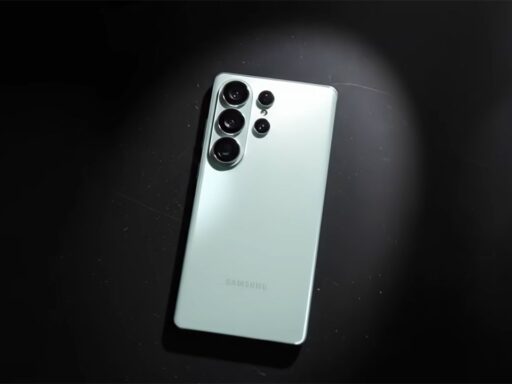
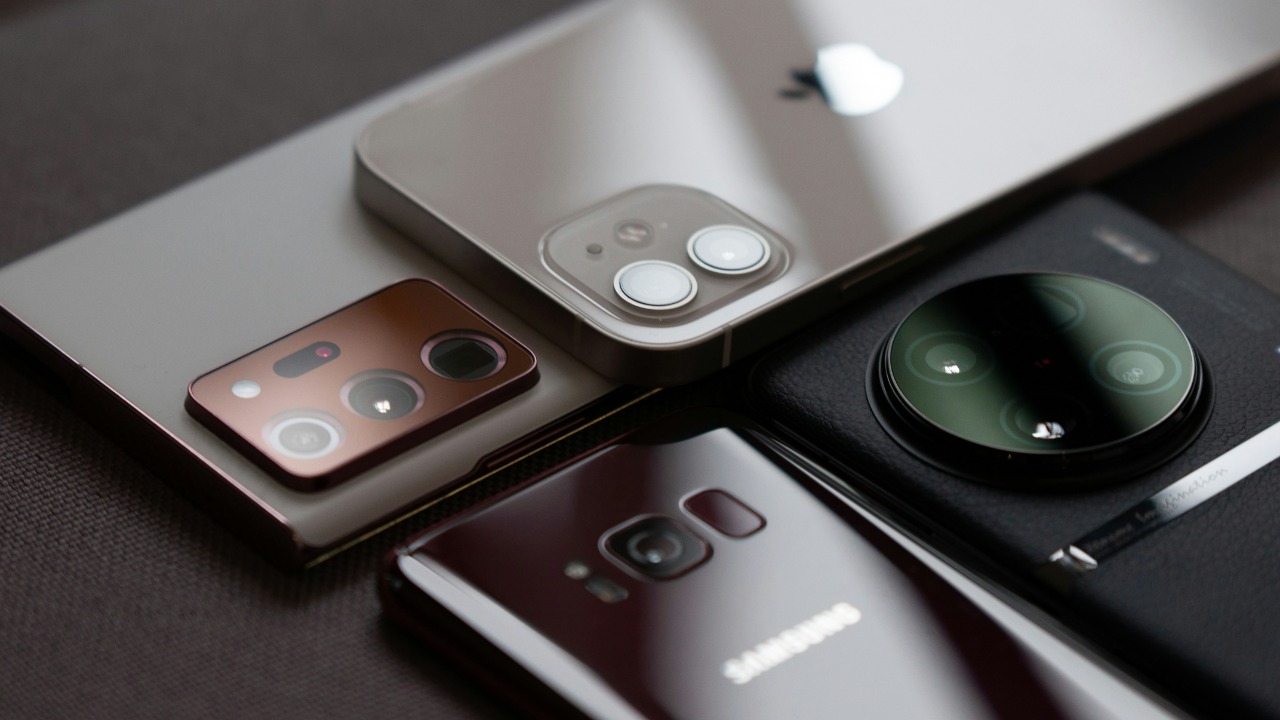

Smartphone buyers are being nudged toward a future where “normal” means big. As display sizes creep upward and bezels shrink, compact handsets that once defined the market are slipping into niche status. The shift is not just about fashion, it reflects how people now use their phones as primary computers, cameras, and entertainment hubs.
What is emerging is a clear split between a dominant class of large slabs and a thin fringe of smaller devices that survive on loyalist demand. Bigger smartphones are set to rule the roost, while truly compact phones fade from mainstream shelves and retreat into specialist corners of the market.
The long goodbye to small screens
To understand how far the market has moved, it helps to remember when a phone with a 2.5-inch display felt substantial. Early 2000s Mobile staples like the Nokia 3310 and Blackberry Curve were considered big, even though their Handsets rarely pushed beyond that 2.5-inch to 3-inch window. Those devices were built around calls, texts, and basic email, not streaming video or editing documents, so there was little pressure to stretch the glass.
Once smartphones took over, the logic flipped. As touch interfaces replaced keypads and apps became central to daily life, small screens turned from a selling point into a constraint. Android used to offer many compact options, but as hardware like multiple cameras, larger batteries, and advanced radios piled up, the internal space needed to house that technology pushed devices wider and taller. By the time Feb product cycles normalized 6-inch displays, the classic “one-hand” phone had already become an endangered species.
Why bigger phones keep winning
From a user’s perspective, the case for size is straightforward. Bigger screens enhanced the user experience of owning a smartphone, giving more room for high resolution panels, faster refresh rates, and immersive video. That extra real estate makes it easier to read long articles, play visually rich mobile games, or create content on the go, which is why Bigger phones have become the default choice for people who treat their handset as a pocket TV and workstation.
On the silicon side, the trend is even more unforgiving to compact designs. One detailed explanation from a Apr discussion points out that modern chips simply run too fast and too hot, so they need more surface area and thermal headroom than a tiny chassis can provide. As mobile AI features spread, the memory footprint grows too, with recent Key Market Highlights noting that By RAM size, Smartphones with 8GB RAM or more captured over 51% of shipments. Packing that kind of RAM, a large battery, and advanced cameras into a truly small shell is not just difficult, it is often uneconomical.
Industry strategy: fewer sizes, higher margins
Manufacturers are not just following user taste, they are also simplifying their own lineups. Analysts looking at upcoming devices from Samsung and Apple argue that if current leaks hold, both companies may trim their smallest models, with one report suggesting the Galaxy S25 could be the last of its size as Samsung and Apple push buyers toward larger flagships and foldables. That strategy concentrates marketing spend on a narrower range of devices where margins are highest.
Cost pressures are pushing in the same direction. One detailed look at the future of small notes that the rising cost of manufacturing compact devices, especially those with premium components, makes it harder to price them attractively enough to appeal to mainstream consumers. Another analysis framed the situation as The Dilemma of Small, Screen Phones, Why Is the Market Gradually Abandoning Them, arguing that brands see more upside in bigger smartphones with more features than in maintaining a parallel compact line that sells in lower volumes. In that context, it is no surprise that compact phones are now treated as a niche market, a point underlined by commentary that simply states, “Agreed, compact phones are a niche market.”
How users experience the big-phone era
For many buyers, the shift to larger devices has been seamless. One Dec comment from a self-described OLD user, aged 70, captures the trade off: the person keeps the font on default, However uses a larger keyboard, and notes that an S25+ is roughly the same size as their previous phone. For this kind of user, a bigger device is not a burden, it is a way to get a more comfortable typing and viewing experience without feeling like they are carrying a tablet.
Others are less enthusiastic. A detailed essay by Corbin Davenport in Mar followed Apple’s decision to discontinue the third-generation iPhone SE, describing it as the Last mainstream compact iPhone and arguing that the potential market for small phones is simply too small to justify the engineering and testing effort. Short-form video commentary has echoed that sentiment, with one Nov clip lamenting that every new phone looks like a tablet with a camera and asking what happened to devices that actually fit in a pocket.
Next-gen hardware will push size even further
Far from stabilizing, display sizes are poised to stretch again. Recent previews of upcoming devices suggest that Smartphone screens have been steadily growing for years, and the next wave could take size expectations to an entirely new level, as one Smartphone teaser put it. Industry observers say this boundary pushing is about more than aesthetics, it is about creating enough space for larger batteries, more advanced camera modules, and the extra silicon needed for on-device AI.
That logic is already visible in concrete product plans. A detailed comparison of 2026 lineups notes that a new wide-screen foldable, described as the Samsung Fold and iPhone Fold, could resemble the original Oppo Find N, with Oppo Find style proportions. Parallel reporting on Next-gen smartphones suggests that upcoming models will set new display size standards, leaving small screens behind and cementing a new smartphone landscape where foldables and large slabs define the high end. Even mainstream coverage of trade shows notes that CNET experts bring you news and hands-on analysis of cutting-edge phones that are almost all on the larger side.