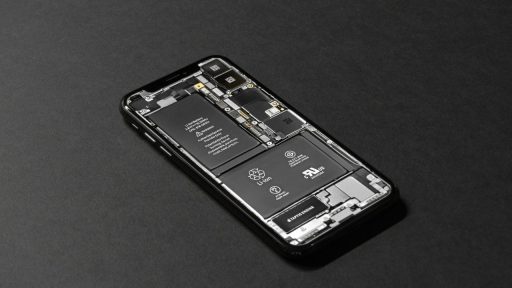
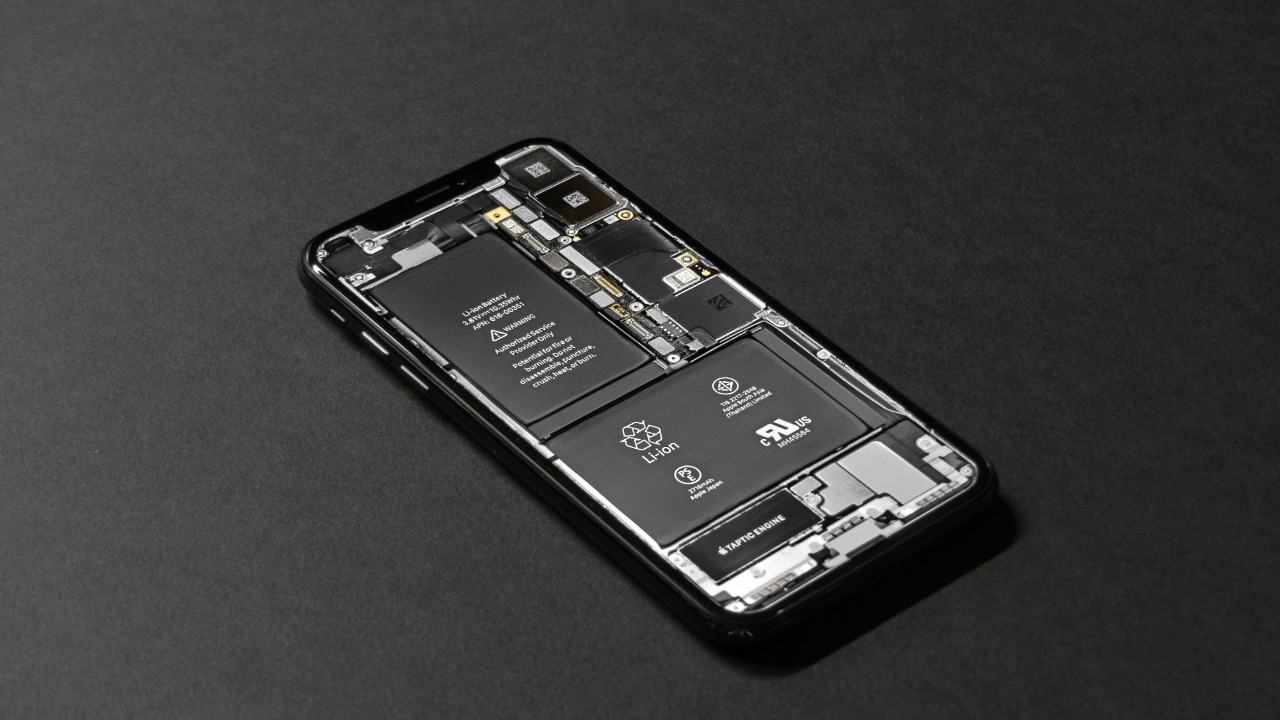

Battery life is one of the few specs where everyday users can feel the difference instantly, yet the biggest phone makers keep shipping flagships that hover around the same 4,000 to 5,000 mAh range. While brands like Realme and Honor chase 6,000 mAh and beyond, Samsung, Google, and Apple are holding the line. The reasons have less to do with laziness or greed and far more to do with regulation, safety, and the limits of today’s battery chemistry.
I see a clear pattern emerging: the companies that sell hundreds of millions of phones a year are optimizing for predictability, logistics, and long‑term reliability, not headline‑grabbing capacity numbers. Once you follow the trail from international transport rules to silicon‑carbon experiments and the legacy of the Galaxy Note 7, it becomes obvious why those “big batteries” are not arriving in your next iPhone, Galaxy, or Pixel.
Regulations quietly cap how big a phone battery can be
The most important constraint on battery size is not the thickness of the phone, it is the way international rules classify lithium cells. Aviation and shipping standards treat batteries above a certain energy threshold as hazardous cargo, which triggers extra paperwork, labeling, and cost. Reporting on the so‑called 20 watt‑hour limit explains why so many mainstream phones cluster just under that line, even when their physical size could accommodate more.
That same logic is now shaping the next generation of cells. A 6,000 mAh single‑cell pack built with newer silicon‑rich chemistry can easily cross that 20 Wh threshold, which would force every box and pallet to carry hazardous‑material markings. One analysis notes that a 6,000 mAh unit can tip over the line on its own, so manufacturers would rather split capacity into smaller, regulation‑compliant cells or simply stay closer to 5,000 mAh. When you are shipping iPhones, Galaxies, and Pixels by the tens of millions, avoiding that extra regulatory burden is a powerful incentive to keep batteries modest.
Samsung’s stagnating capacities are a feature, not a bug
Nowhere is this tension more visible than in Samsung’s Galaxy S line. Enthusiasts have been tracking leaks that suggest the Galaxy S26 will stick with roughly the same milliamp‑hour figures as its predecessors, and some, like UniverseIce, have been vocal about their disappointment. On Samsung’s own forums, one thread titled “Why did not samsung increase the mAh battery on the S26?” captures the frustration of buyers who expected a bump after going through leaks that samsung will not upgrade the S26 with a larger pack.
Samsung’s answer is that it is optimizing around efficiency and compliance rather than raw capacity. In that same community discussion, a follow‑up explains that Samsung put their to improve the processor and software so the battery should not drain so fast, instead of simply inflating the mAh number. Separate reporting on Galaxy devices points to strict EU and USA rules around energy content, and a deeper breakdown of those limits shows why Samsung is reluctant to cross the line even by a few watt‑hours. The result is a plateau around 5,000 mAh that looks conservative on paper but keeps logistics and certification manageable.
Apple and Google lean on efficiency instead of capacity
Apple and Google are making a similar bet, but with a different narrative. Rather than talk about regulations, they emphasize chip and system efficiency as the path to all‑day battery life. One detailed breakdown of why Apple and Samsung use smaller batteries notes that Hidden Factor That is not just design, but also how Qualcomm and other silicon vendors have steadily cut power draw. As a result, an iPhone with a 3,500 mAh cell can match or beat a 5,000 mAh Android phone in real‑world endurance, which reduces the pressure to chase capacity.
Google’s Pixels follow the same playbook, relying on software smarts and Tensor optimizations to stretch relatively small packs. Analysts who dug into why the batteries in iPhones, Galaxies, and Pixel phones are so small concluded that The short answer is not thin phones alone, but a mix of regulatory caps and a belief that efficiency gains will keep offsetting user demands. That is why you are unlikely to see a 6,000 mAh iPhone or Galaxy anytime soon, even as rivals in China push those numbers aggressively.
Silicon‑carbon batteries are not ready for prime time
One reason enthusiasts keep asking about “big batteries” is the hype around silicon‑carbon cells, which promise higher energy density in the same footprint. On paper, this chemistry could let Samsung, Apple, and Google pack 6,000 mAh into today’s designs without making phones thicker. In practice, engineers are far more cautious. A detailed explainer on why Apple and Samsung have not switched points out that High risk, the battery chemistry, and the memory of past failures make this a serious concern, especially for brands that cannot afford another high‑profile recall.
Industry insiders echo that caution. In one widely shared post, a senior figure straight‑up confirmed they are developing the tech but holding off because it is not prime‑time ready, citing Reliability concerns and explicitly referencing the Note 7 smartphone in 2016 as a cautionary tale. Another technical breakdown of the silicon‑carbon angle notes that the same regulatory matters that cap 20 Wh cells also slow silicon‑carbon adoption en masse, because higher density makes it easier to breach that limit. For Apple, Samsung, and Google, the upside of a marketing win is not worth the downside of new safety and logistics headaches.
Chinese brands are exploiting the gap, but with trade‑offs
While the big three play it safe, Chinese manufacturers are racing ahead with larger packs and faster charging. Recent launches like the Realme P4 Power and Honor Power 2 have been held up as examples of phones that put Samsung, Google, and Apple to shame on sheer endurance, with Realme and Power and Honor devices pairing 6,000 mAh batteries with aggressive charging speeds. A separate newsletter on the same theme argues that As Chinese brands chase capacity, Samsung, Apple, and Google are prioritizing consistency and regulatory comfort.
That divergence is starting to shape consumer expectations. One social post that went viral claimed that A new explanation has emerged for why Apple, Samsung, and Google phones still hover below the 5,000 mAh battery mark, tying it directly to those 20 Wh rules. At the same time, a separate analysis argues that Reason why Samsung, Apple, and Google are not increasing battery sizes is that they are waiting for more mature silicon‑carbon batteries, though specifics remain unclear. In other words, Chinese brands are willing to live closer to the regulatory and thermal edge, while the big three are betting that users will accept smaller batteries if the phones stay cooler, thinner, and more predictable.