
NASA has entered the most intense phase of preparation yet for sending astronauts back to the moon for the first time in more than 50 years, running a full dress-rehearsal countdown for its Artemis II mission. The practice run is designed to mimic launch day down to the final seconds, testing hardware, software and human decision making before anyone climbs aboard the Orion capsule. It is the closest the agency has come in decades to lighting a crewed lunar rocket on the pad.
The rehearsal is more than a box-checking exercise. It is a stress test for a complex launch system that must work flawlessly if four astronauts are to safely loop around the moon and return, a mission that would mark the first crewed lunar voyage since the Apollo era.
Why this countdown matters after 50 years
The Artemis II mission is intended to be the second flight in NASA’s new lunar program and the first to carry people, a milestone that would send a crew farther from Earth than any previous human flight. According to mission plans, Artemis II will loop around the far side of the moon, using the Space Launch System rocket and Orion spacecraft to push human spaceflight back into deep space. The agency has framed this as the first crewed mission to fly to the moon in more than 50 years, a symbolic bridge between Apollo and a new generation of lunar exploration.
That historical weight is part of why NASA is treating the current practice countdown as a mission in its own right. Agency officials have described the exercise as a full-up simulation of launch day, with teams at the Kennedy Space Center in Florida working through every step they will take when the rocket actually flies. Reporting on the practice notes that NASA is rehearsing procedures for the first moonshot with astronauts in more than 50 years, underscoring how much institutional memory had to be rebuilt for deep space human missions.
Inside the ‘wet dress’ and fuel loading
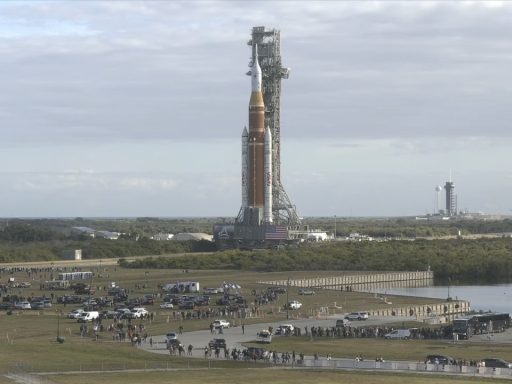
The centerpiece of the rehearsal is what engineers call a wet dress, a test in which the Space Launch System is fully loaded with cryogenic propellants and taken through a simulated countdown. The so-called wet dress involves clearing Non-essential personnel from the pad, chilling down propellant lines and loading the core and upper stages. Launch teams at the Kennedy Space Center in Florida are set to pump more than 730,000 gallons of supercold propellant into the Space Launch System, monitoring how the vehicle and ground systems respond as tanks fill and pressures rise.
NASA has been transparent about the choreography. A full Moon was seen shining over the stacked SLS (Space Launch System) and Orion spacecraft on the mobile launcher, a reminder that the rocket is already on the pad and being treated as if launch were imminent. Nasa has also been streaming a 24/7 live view of the Artemis II stack, and During propellant loading the agency has promised real-time updates, underscoring how central this test is to public confidence in the program.
Glitches, holds and a test cut short
Dress rehearsals are designed to find problems, and this one has already done that. NASA reported that the Artemis II Wet entered its final phase, described as Entering Terminal Count at T minus 10 Minutes, before the run was terminated at T minus 5:15. That cutoff, while not ideal, still allowed controllers to exercise late-countdown procedures and practice how they would respond to an unexpected issue on launch day.
External reporting has detailed how technical snags and weather constraints complicated earlier phases of the wet dress. Coverage of the fueling test described how SLS fueling required clearing the pad and managing a complex sequence of valves and sensors, while another account noted that non-essential staff were removed from the area roughly 48 hours before the most critical operations. One detailed look at the rehearsal said NASA hit issues during this crucial run, describing it as a key step before the first crewed moon launch in more than 50 years.
Launch windows, shifting dates and a March pivot
The rehearsal is unfolding against a moving target for launch. Earlier planning focused on a set of dates in February, with The February window consisting of three remaining opportunities, Feb. 8, Feb. 10 and Feb. 11. Subsequent updates indicated that Artemis 2 will now launch no earlier than a later date, reflecting the reality that any significant issue in testing can ripple into the schedule.
NASA’s own blog has signaled that teams are now eyeing a March opportunity for liftoff. In a post that paired a striking image of the rocket under a full moon with technical details, NASA said it is conducting an Artemis II fuel test while it eyes March for a launch opportunity. Independent mission overviews add that Artemis II is not expected to fly earlier than March 6, 2026, which aligns with the idea that the February dates were always ambitious and contingent on a clean rehearsal.
The crew preparing to ‘go the farthest’
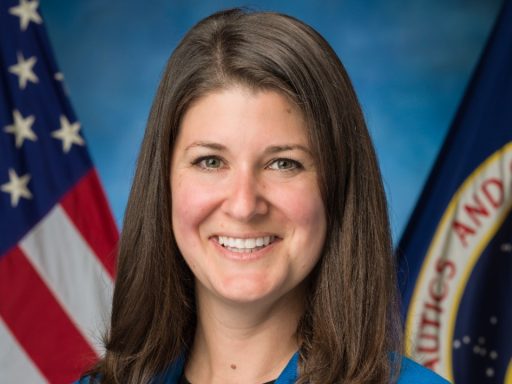
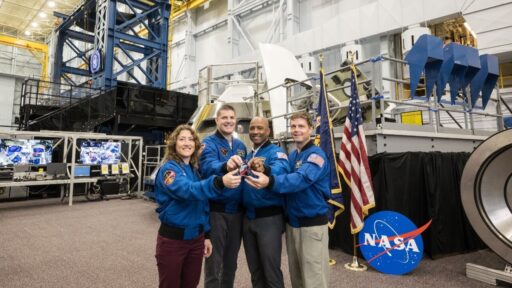
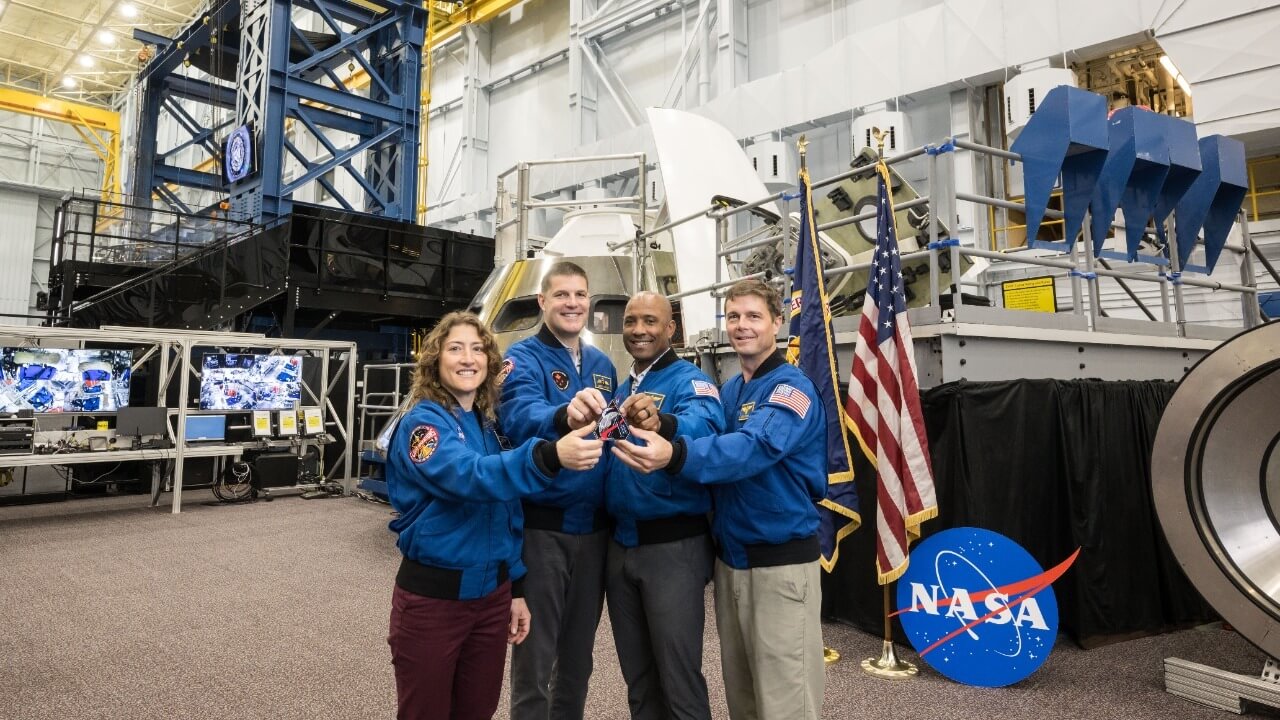
While the rocket and ground systems dominate the rehearsal, four astronauts are at the heart of the story. A recent profile described how Going the farthest is exactly what this crew will do, with Four astronauts blazing NASA‘s trail back to the moon. Their mission, which one report said could launch Feb. 8 before the latest delays, will see Their Orion capsule carry human passengers around the moon and back.
The broader program context reinforces how much is riding on their flight. The Artemis campaign, as described in multiple briefings, is meant to return humans to the lunar surface and then eventually to Mars, with The Artemis II mission serving as the crucial shakedown cruise for deep space systems. One overview of the current rehearsal framed it as the first crewed mission to fly to the moon in more than 50 years, a step that must succeed if later landings are to follow. For the astronauts, every scrubbed test and shifted launch window is a reminder that their own safety depends on wringing problems out of the system now, while the rocket is still flying empty.