
Chinese smartphone maker Xiaomi is sharpening its focus on East Africa, using a fresh device launch in Kenya to push for a larger slice of the region’s fast‑growing midrange market. By rolling out the REDMI Note 15 Series and pairing it with local partnerships and aggressive pricing, the company is betting that Kenyan consumers are ready to trade up to more capable 5G phones without abandoning value.
The move signals how Kenya has become a proving ground for global electronics brands that want both volume and influence in Africa’s digital economy. I see Xiaomi’s latest push as a test of whether a finely tuned mix of hardware, financing and telco alliances can shift long‑entrenched buying habits in favor of a newer entrant.
Why Xiaomi is zeroing in on Kenya’s smartphone boom
Kenya’s smartphone market has matured into one of Africa’s most competitive, with rising demand for data‑hungry apps, mobile banking and video streaming. Chinese electronics maker Xiaomi has read that shift as an opening to scale beyond its early adopter base and into the mainstream. In NAIROBI, the company framed its latest launch as part of a broader effort to bring more affordable 5G‑ready smartphones to Kenyan consumers, positioning itself directly against entrenched rivals in the midrange tier.
The strategy builds on momentum that has been building for more than a year. Earlier, executives highlighted how Xiaomi was quickly gaining popularity in the Kenyan smartphone market, helped by earlier Redmi Note generations and complementary Redmi Pads. Huang, a senior figure associated with the brand’s regional expansion, pointed to forecasts that smartphone penetration and data usage in Kenya would keep climbing strongly from 2025 to 2029, a trajectory that makes the country a logical launchpad for new hardware families.
Inside the REDMI Note 15 lineup and its price play
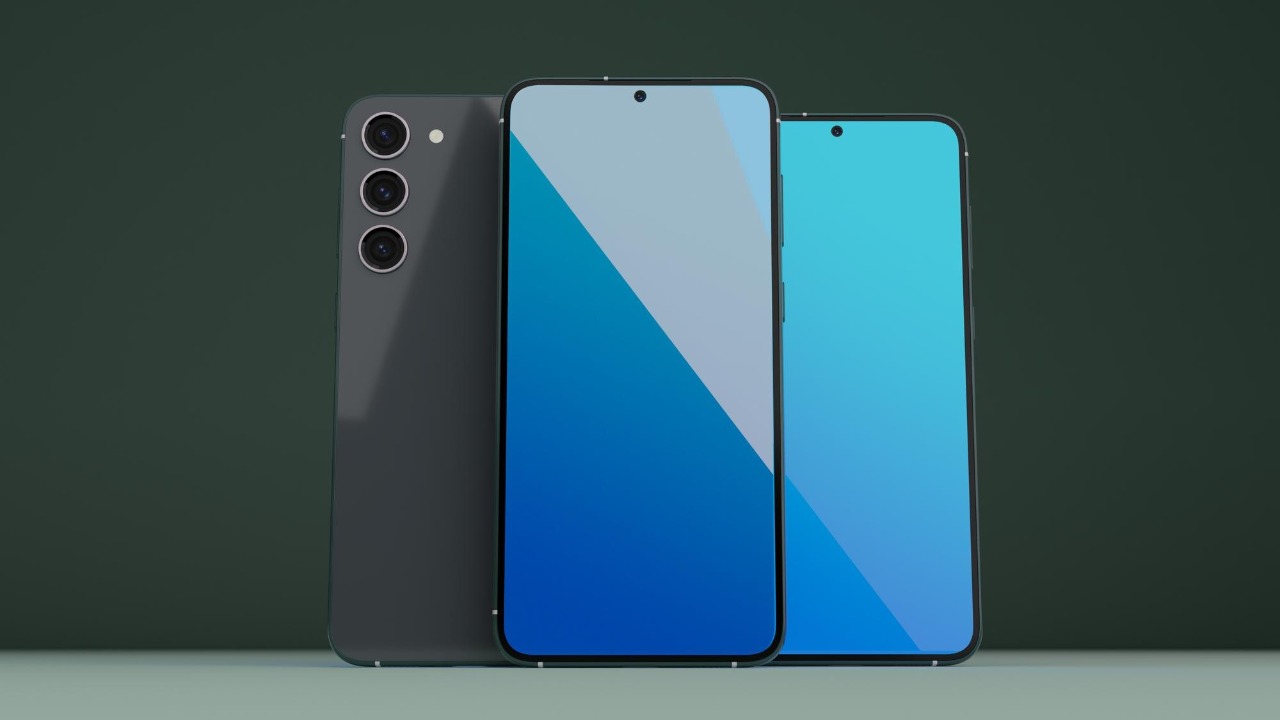
The centerpiece of Xiaomi’s latest push is the REDMI Note 15 Series, a trio of devices that aim to stretch what Kenyan buyers can expect from a midrange phone. The company has emphasized what it calls REDMI Titan durability and advanced imaging, a combination that, in my view, is tailored to users who want a device that can survive daily knocks while still handling social‑media‑ready photography. In Nairobi, TUKO reported that the series was introduced as a way to blend robust build quality with a seamless user experience, underscoring Xiaomi’s intent to compete on more than just price.
Pricing, however, remains central to the pitch. According to local Price and Availability details, the REDMI Note 15 Pro+ 5G is set at Ksh. 54,999, the REDMI Note 15 Pro at Ksh. 36,999 and the REDMI Note 15 at Ksh. 24,999. On social media, Xiaomi’s Kenyan team has reinforced that positioning, describing how The REDMI Note 15 Pro+ 5G delivers massive spec upgrades with unbeatable value starting at KES 54,999 for 8GB+256GB, and going up to KES 64 for higher configurations, a message clearly aimed at cost‑conscious power users.
Marketing blitz: from BIG REDMI ENERGY to retail shelves
Xiaomi is not relying on specifications alone to cut through Kenya’s crowded smartphone market. The company has rolled out a highly visual campaign that leans into youth culture and social media, with influencers unboxing devices and talking up freebies. One Instagram reel trumpets that BIG REDMI ENERGY IS HERE as The Redmi Note Series lands with free goodies, a tone that contrasts sharply with the more formal language used at the official Nairobi launch.
Offline, Xiaomi is also working to ensure that the REDMI Note 15 Series is visible and easy to buy in physical stores. Local retailers have highlighted the REDMI Note family in promotional materials, while branded content out of Nairobi, Kenya, has stressed how the devices are meant to deliver both durability and advanced imaging in everyday use. One such piece, Published as Branded Content, framed the launch as a milestone for Xiaomi’s local presence, suggesting that the company now sees Kenya as a core market rather than a peripheral test bed.
Safaricom tie‑up and Kenya’s digital transformation agenda
One of the most consequential pieces of Xiaomi’s Kenyan playbook is its partnership with Safaricom, the country’s dominant mobile operator. Bruno Kimutai, terminals, operations, and planning lead at Safaricom, has said the collaboration aligns with Kenya’s broader digital transformation goals, which include expanding access to high‑speed data and digital services. By bundling devices with data offers and installment plans, the two companies are trying to lower the barrier to entry for 5G‑capable phones.
On social channels, Xiaomi Kenya has promoted incentives such as a 5 percent deposit discount via Onfon, 15GB free data when buyers go through Safaricom, and a free gift worth up to KES 4,999 for REDMI Note 15 Pro+ 5G purchases, all highlighted in the same The REDMI Note 15 Pro+ 5G promotion. In my view, these offers are as much about cementing Xiaomi’s brand as they are about moving units, since they tie the phones directly to Kenya’s most widely used mobile network and its ecosystem of services.
From REDMI Note 14 to 15: building a long‑term foothold
The REDMI Note 15 launch in Kenya did not come out of nowhere. Alongside the Redmi Note 14 series, Alongside the Redmi 14 rollout, Xiaomi also introduced three models of Redmi Pads, signaling that it wanted to be seen as a broader smart‑device ecosystem rather than a single‑product brand. Huang argued at the time that this multi‑device approach was helping Xiaomi gain popularity in Kenya, as users who bought a phone were more likely to consider a tablet or accessory from the same stable.
That context helps explain why the company is now investing so heavily in the REDMI Note 15 Series and its Kenyan debut. In NAIROBI, Jan launch coverage stressed that Chinese brand Xiaomi sees Kenya as a key market where it can offer affordable smartphones to consumers who are upgrading from entry‑level devices. By layering in tablets, wearables and other accessories over time, Xiaomi is effectively trying to lock in users for the long haul, a strategy that could reshape how Kenyan buyers think about Chinese smartphone ecosystems.