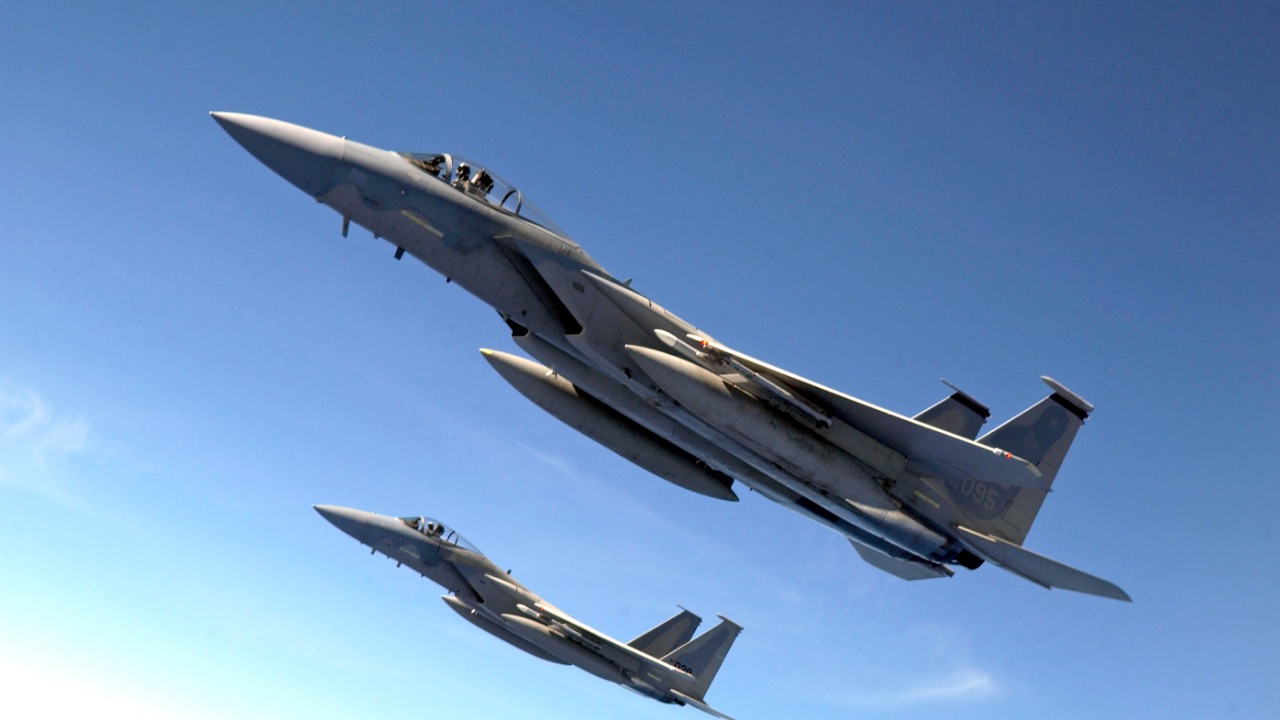

Canada’s long delayed fighter replacement is no longer just a procurement saga, it has become a test of how far Ottawa is willing to stretch its sovereignty inside a binational air defence pact. As officials explore a mixed fleet that could trim the planned F-35 buy, Washington is warning that any cut would reverberate through NORAD and reshape how the continent’s skies are defended.
At stake is more than the choice between stealth jets and cheaper alternatives. The debate now touches the future of NORAD’s command structure, the balance of burden sharing with the United States, and how a middle power like Canada positions itself in a less rules bound world.
Ottawa’s mixed fleet rethink collides with NORAD realities
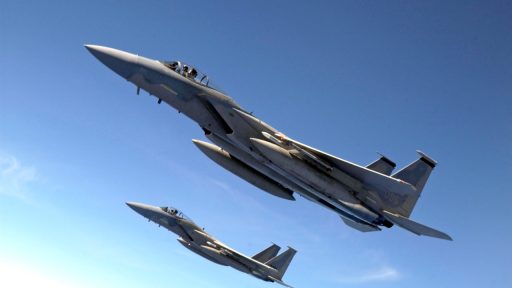
Canada is again revisiting its fighter plans just as it tries to modernize its broader defence posture. After years of delay, Ottawa committed to replacing aging CF-18s with F-35A aircraft, but officials are now openly weighing a mixed fleet that would combine a reduced number of F-35s with another platform, potentially Saab’s Gripen, to stretch budgets and diversify industrial benefits. The reassessment reflects a wider debate inside Canada about how to balance high end capabilities with the need to patrol vast airspace and support allies.
Earlier, Ottawa delayed finalizing its F-35 decision while it evaluated the Gripen option and the promise of industrial return tied to European supply chains. That hesitation has now evolved into a more explicit consideration of a split fleet, with Canadian officials examining whether a combination of aircraft could better cover Arctic patrols, domestic sovereignty missions and expeditionary deployments while still meeting alliance commitments that increasingly revolve around the F-35.
U.S. envoy’s warning: fewer F-35s, different NORAD
The mixed fleet debate might have remained a technical matter if not for unusually blunt public messaging from Washington. The U.S. ambassador to Canada, Pete Hoekstra, has warned that the NORAD defence pact would be “altered” if Ottawa pulls back from its planned purchase of Americanmade F-35 jets, signalling that the United States is prepared to revisit long standing assumptions about shared responsibility in North American air defence. His comments underscore that, in Washington’s view, the number of stealth aircraft Canada fields is now directly tied to how much weight it carries inside the binational command.
Reporting on the ambassador’s remarks makes clear that the warning is not abstract. In one detailed account, the envoy is quoted stressing that the NORAD pact would have to change if Canada cuts back on its F-35 order, arguing that such a move would shift the burden onto U.S. forces rather than strengthening NORAD’s mission. Another analysis of the same intervention frames it as a direct link between Ottawa’s procurement choices and the structure of NORAD, with Ambassador Canada Pete Hoekstra warning that gaps created by fewer F-35s would have to be filled by other means.
From procurement dispute to threat of more U.S. jets in Canadian skies
What began as a procurement review has escalated into talk of more unilateral U.S. activity in Canadian airspace. Coverage of the dispute describes how American officials have floated the prospect of increasing U.S. fighter operations over Canada if Ottawa scales back its F-35 purchase, effectively shifting from a binational posture to one where U.S. jets play a larger direct role in policing the northern approaches. One broadcast segment highlights how the warning from the U.S. ambassador to Canada tied any reduction in the planned fleet to a potential change in how Americanmade aircraft are deployed under NORAD.
Other reporting goes further, stating that Washington has warned it will send fighter jets into Canadian airspace if the F-35 deal does not go through, framing the issue as a possible renegotiation of the Cold War era agreement that underpins continental defence. One account of the dispute notes that U.S. officials have raised the prospect of revisiting NORAD if Canada Cancels the Deal, while another report bluntly states that the Us Warns of NORAD Renegotiation if Ottawa walks away from the commitment to buy 35 series aircraft. A separate story captures the same message in starker terms, with a headline that the US warns they will send fighter jets into Canadian airspace if the 35 program collapses.
Inside Canada’s search for flexibility: Gripen, industry and a “less rules bound world”
From Ottawa’s perspective, the push for a mixed fleet is rooted in a desire for flexibility rather than a retreat from alliance commitments. Canadian officials are described as weighing a combination of F-35s and another fighter type to better match the country’s geography and budget, with particular attention to Saab’s Gripen, which has been pitched as a cost effective, Arctic capable aircraft with attractive industrial offsets. A social media post from a defence focused outlet notes that Canada is reviewing its purchase of 35 aircraft and considering a mixed fighter fleet that includes Saab’s Gripen, underlining how seriously the alternative is being studied.
More detailed analysis of the debate explains that Canadian officials are looking at how a split fleet could provide resilience in a “less rules bound world”, where supply chains, export controls and alliance politics are all more volatile. One report on the internal discussions describes how Canadian officials are weighing a mixed fighter fleet in precisely that context, while another segment of the same coverage notes that the mixed fleet debate has been amplified by direct public messaging from the U.S. Ambassador to Canada Pete Hoekstra, who has linked Ottawa’s choices to NORAD’s future.
How many F-35s are enough, and who fills the gap if Canada buys fewer?
Behind the rhetoric lies a hard numbers question that neither side has fully answered in public. Canada’s current plan envisions acquiring 88 F-35 fighter jets to replace its CF-18 fleet, but Defence Minister statements now stress that the purchase “remains under review”, leaving open the possibility of a smaller fleet supplemented by another aircraft. A recent television clip shows Canada’s defence minister confirming that the planned acquisition of 88 F-35 fighter jets from the U.S. is still being examined as the government weighs how best to replace its aging CF-18 fighter jets, with the figure of 88 and the 35 designation both highlighted in the Posted and Last updated captions.
U.S. officials, for their part, have begun to signal what they see as a minimum acceptable level of Canadian participation in the F-35 enterprise. One analysis of the dispute notes that Notably, Ambassador Hoekstra said that if Canada does not buy more F-35s than the 16 it has now ordered, the U.S. military will interpret that as a signal that Ottawa is content to let Washington shoulder more of the NORAD load. Another commentary on the broader strategic picture argues that Canada’s defence spending surge is colliding with a politically fraught fighter decision, and that the F-35 Fighter Has a Message for Canada about burden sharing and interoperability that goes beyond raw fleet numbers.