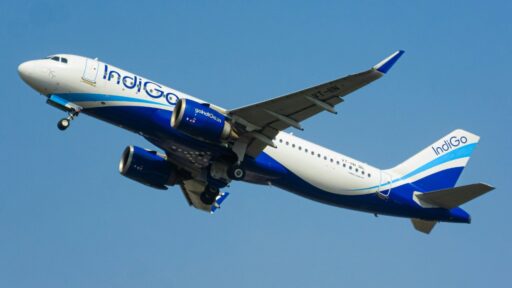
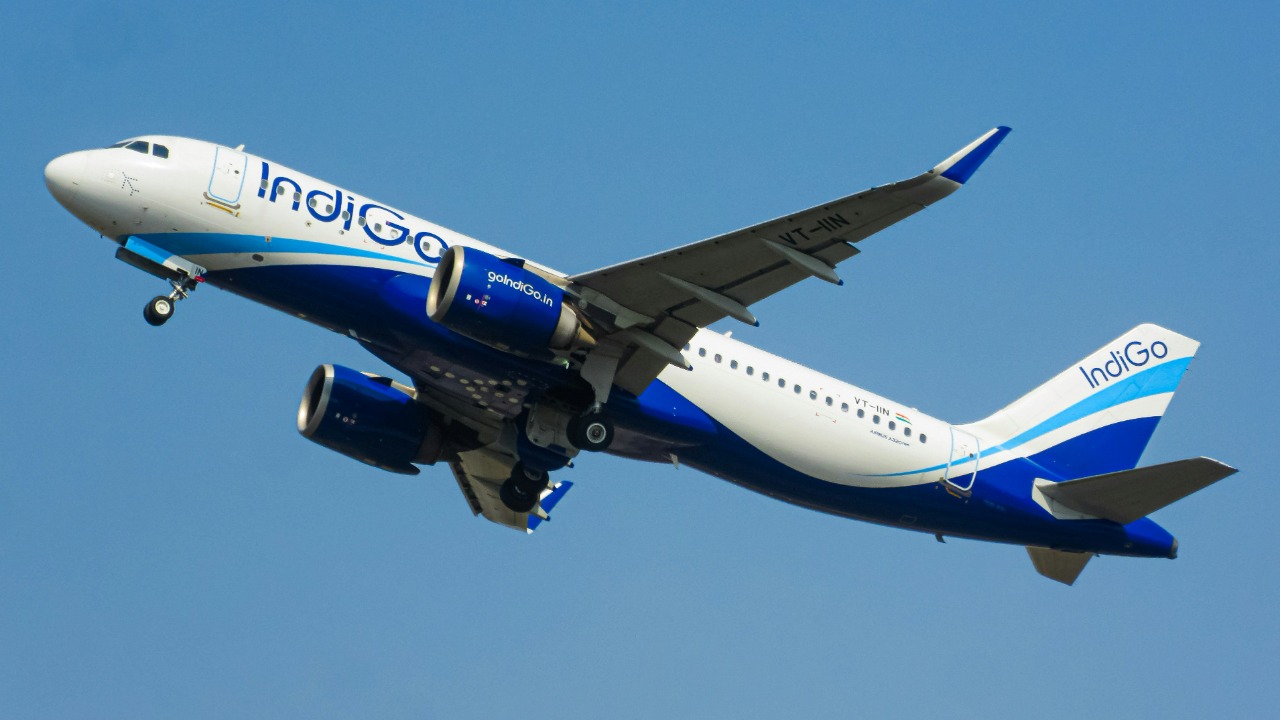

Air India has doubled down on its twin strategy of rapid growth and long-haul expansion, adding 30 more Boeing 737 MAX narrowbodies while upgrading part of its Airbus single-aisle backlog to the extra long range A321XLR. The fresh Boeing order and Airbus conversion, unveiled around the Wings India 2026 event in Hyderabad, tighten the Tata Group carrier’s grip on both domestic trunk routes and thinner international sectors. Together, they show an airline using every lever available in the narrowbody market to match India’s surging demand and its own global ambitions.
The move folds into Air India’s sweeping fleet renewal, which already includes hundreds of Boeing and Airbus aircraft across widebody and single-aisle families. By adding more 737 MAX jets and turning 15 A321neos into XLRs, the carrier is not just buying capacity, it is reshaping the range and economics of its network for the next decade.
What the 30 extra Boeing 737 MAX jets really add
The new order for 30 Boeing narrowbodies gives Air India a sharper tool for high-frequency domestic and regional flying, where reliability and unit costs decide who wins market share. The airline has confirmed that these aircraft are part of the 737 MAX family, with the manufacturer highlighting the deal as Air India Orders 30 Boeing 737 MAX Jets to Expand Single-Aisle Fleet, and explicitly citing the models as 737 MAX jets. At the Wings India 2026 forum, Air India detailed that the 30 additional Boeing aircraft comprise 20 737-8 and 10 737-10, folding into a broader plan to induct hundreds of new jets over the next few years, as outlined in the carrier’s own description of its order at Wings India. For Boeing, the deal extends a relationship that already includes widebodies, while for Air India it locks in a second major tranche of MAX capacity on top of earlier commitments.
Indian business coverage has framed the purchase as a fresh push in the airline’s fleet overhaul, with reports noting that Air India on Thursday added momentum to its renewal programme by placing a new order for 30 Boeing narrow-body aircraft, a move that aligns with the carrier’s plan to ramp up services on key domestic and regional routes, as described in detail by Air India. The Tata Group’s financial community has also taken note, with one market update stressing that Tata Group’s Air India Orders 30 More Boeing 737 MAX Jets Amid Fleet Expansion, positioning the 737 M family as central to the airline’s growth and fleet modernisation strategy, a point underscored in the analysis of Jets Amid Fleet. Short video coverage has echoed that narrative, with India-focused channels highlighting Air India Orders 30 Boeing 737 MAX Jets as part of an aggressive expansion and renewal strategy, as seen in the clip shared by India Abroad.
How the MAX order fits into Air India’s broader narrowbody strategy
The 30 extra MAX jets do not sit in isolation, they plug into a multi-year plan to rebuild Air India’s narrowbody backbone around both Boeing and Airbus families. At Wings India 2026 in Hyderabad, the airline described the 30 additional Boeing aircraft as an add-on to its existing firm orders, with deliveries of the 20 737-8 and 10 737-10 expected over the next few years, a schedule laid out in the briefing at Air India. The manufacturer’s own communication, framed as Air India Orders 30 Boeing 737 MAX Jets to Expand Single-Aisle Fleet, reinforces that these aircraft are intended to deepen the carrier’s presence in the single-aisle segment, with the 737 M platform pitched as a fuel-efficient workhorse for dense domestic and regional sectors, as highlighted in the release from Aisle Fleet. For Boeing, the deal is also a showcase of the 737’s continuing relevance in a market where Airbus’s A320neo family has been dominant.
Independent aviation reporting notes that Boeing and Air India announce an order for 30 more 737 MAX jets as part of a strategy to expand the airline’s narrowbody fleet and strengthen its position in the Indian and South Asian aviation market, a regional focus described in the coverage by Boeing and Air. Another detailed account stresses that Air India expands its narrowbody fleet with this order, positioning the MAX as a key asset for routes where quick turnarounds and lower fuel burn are critical, a point that aligns with the broader narrative in Asian aviation. For Air India Express, which already operates The CFM International Leap-1B-powered Max 8s, the new order also promises economies of scale in training and maintenance, a synergy highlighted in the analysis of Max.
Why Air India is turning A321neos into A321XLRs
If the MAX order is about density and frequency, the Airbus move is about reach. Air India has confirmed that it is converting 15 Airbus A321neo orders to the latest generation A321XLR, a change the airline itself describes as Air India converts 15 Airbus A321neo orders to latest generation A321XLR, as set out in its official Air India statement. A separate version of the same announcement, labelled as a Press Release and carrying the AIR INDIA BRAND tag, reiterates that Air India converts 15 Airbus A321neo orders to latest generation A321XLR, underscoring that these aircraft will be part of the airline’s AIRCRAFT portfolio for long-range narrowbody missions, as detailed in the follow-up note from AIR. For Airbus, the shift is a vote of confidence in the XLR’s promise of widebody-like range in a single-aisle frame.
Analysts have framed the switch as a strategic upgrade rather than a simple swap. One detailed breakdown, titled Air India Switches 15 Airbus A321neo Orders to A321XLR: Reasons Behind the Upgrade, notes that Air India (AI), the flag carrier of the nation, is using the XLR to open new long, thin routes from its hubs, with the converted order forming part of a broader long-term fleet plan, as explained in the commentary at AvioSpace. Another version of that analysis, explicitly labelled Air India Switches 15 Airbus A321neo Orders to A321XLR: Reasons Behind the Upgrade, stresses that the converted order is part of a long-term strategy, with deliveries expected between 2029 and 2030, and situates the decision in the context of Hyderabad, Telangana, India, where the announcement was made, as set out in the extended note at Reasons Behind the. Financial reporting adds that the revised order forms part of Air India’s efforts to boost long-haul routes with lower emissions and enhanced passenger comfort, a sustainability and customer-experience angle highlighted in the coverage by Moneycontrol.
Wings India 2026 and the Boeing–Airbus balancing act
Both the MAX order and the A321XLR conversion were choreographed around Wings India 2026 in Hyderabad, turning the show into a stage for Air India’s dual-supplier strategy. One detailed report notes that Air India announces major Boeing and Airbus orders at Wings India 2026, describing the carrier as a Tata Group airline that has placed additional commitments with both manufacturers to support its growth, a framing captured in the analysis at Boeing and Airbus. Another business-focused account states plainly that Air India to buy 30 additional Boeing aircraft, converts 15 Airbus A321neo order to extra long range A321XLR, and situates that decision within the Business pages as part of the airline’s long-term plan to operate a mix of Boeing and Airbus single-aisle A320 Family aircraft, as set out in the report from Business. For the Tata Group, keeping both Boeing and Airbus in the tent spreads risk and preserves bargaining power, while giving planners a broader palette of aircraft sizes and ranges.