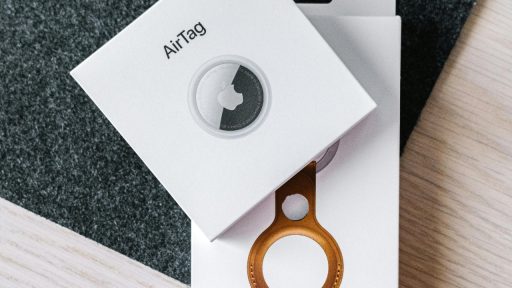
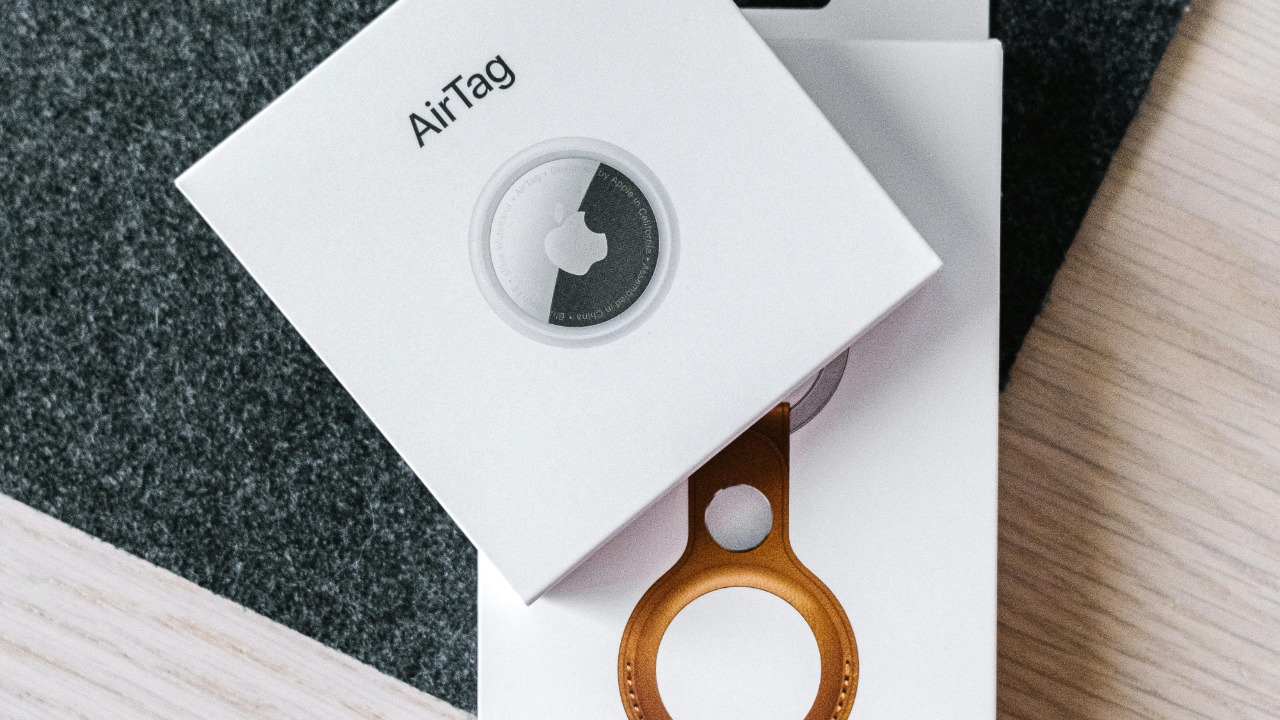

Apple’s second generation AirTag arrives as a quiet-looking upgrade that, in practice, changes how reliably you can keep tabs on your stuff. The new model keeps the same coin-sized design as AirTag 1 but layers in a more capable Ultra Wideband chip, tighter integration with Apple Watch, and smarter audio cues so everyday tracking feels less like a scavenger hunt and more like a guided tour. For anyone who has ever paced around a parking garage or airport terminal staring at a vague dot in Find My, the way AirTag 2 sharpens that experience is the real story.
Under the familiar white plastic and stainless steel, AirTag 2 is built to find things faster, from farther away, and from more devices than the original. I will walk through how the new hardware, software support, and ecosystem tweaks stack up against AirTag 1, and where the first generation still holds its own if you are tempted by clearance prices.
Design twins, different brains
At a glance, AirTag 2 and the original AirTag are nearly indistinguishable, which is by design. The new tracker keeps the same circular form factor, glossy white front, and metal back, so it drops straight into existing key rings, luggage tags, and pet collars that were built for the first model. That continuity means owners can mix old and new tags on the same keychain without juggling different accessories, a point underlined by accessory listings that treat both generations as the same product. The external sameness also keeps the trackers discreet, which still matters in a category that has had to confront misuse and stalking concerns.
The real divergence is inside. AirTag 2 swaps the original Ultra Wideband chip for Apple’s second generation UWB silicon, a change that does not alter the shell but fundamentally improves how the tag measures distance and direction. Listings that group the two generations side by side as separate products make clear that the upgrade is not cosmetic, it is architectural. That new brain is what unlocks the more precise tracking tricks that set AirTag 2 apart.
Expanded Precision Finding and longer reach
The headline upgrade is what Apple calls Expanded Precision Finding, powered by that second generation UWB chip. Where the first AirTag could guide you with on-screen arrows and distance readouts only when you were relatively close, the new hardware improves ranging and angle measurement so that directional guidance kicks in from farther away and stays stable as you move. In practice, that means you can start walking toward a lost backpack at the other end of a house or office and get a clear arrow instead of waiting until you are practically on top of it. Early breakdowns of the feature describe Expanded Precision Finding as a step change in how confidently the tag can point you to an item, not just a minor tweak.
Range is not just about the UWB radio, it is also about how the tag talks to the broader Apple device network. Both generations rely on nearby iPhones and other hardware to relay their location, but AirTag 2’s updated chip and firmware are tuned for a wider effective tracking radius, which reviewers have described as a noticeably improved experience. A detailed Buyer Guide that compares All the Differences Compared between AirTag 1 and AirTag 2 notes that both still lean on the same Find My backbone, but the newer tag squeezes more accuracy out of that network. For anyone who has tried to locate a suitcase in a crowded baggage hall, that extra reach can be the difference between wandering and walking straight to the right carousel.
Apple Watch support and ecosystem upgrades
One of the most practical changes in AirTag 2 is where you can see that Precision Finding interface. With the original AirTag, the arrow and distance overlay were limited to iPhones, which meant pulling out your phone every time you wanted to home in on a set of keys or a parked car. With the new model, Precision Find now works on compatible Apple Watch models, so you can track tagged items conveniently from your wrist instead of juggling your phone in a parking lot or on a dog walk. A comparison that spells out how, With the original AirTag, Precision Finding was limited to iPhones and how AirTag 2 now supports Precision Find on Apple Watch captures the shift neatly.
That watch integration depends on software too. For Precision Finding, the watches will need to be running watchOS 26.2, which is the baseline Apple has set for the feature. On the iPhone side, AirTag 2 still plugs into the same Find My app as AirTag 1, but the new UWB chip lets it take fuller advantage of the network of nearby Apple devices that anonymously relay its location. A separate deep dive into how Apple’s new AirTag 2 is better in almost every way notes that this new chip expands the range of Precision Finding and even lets people see that guidance on their wrist, while still working with most of Apple’s existing AirTag accessories, a point underscored in an overview of the updated chip.
Real‑world tracking: accuracy, audio, and range
Specs are one thing, but what matters is how quickly you can actually find a lost item. Side by side comparisons of AirTag 2 vs. AirTag 1 describe the new model as the clear winner when you need more precise tracking in cluttered environments like a closet or a purse, where reflections and obstacles can confuse older radios. One hands on account that pits the two generations against each other concludes that if you need more precise tracking in a closet or a purse, the newer tag is the better choice, a verdict that lines up with the improved UWB After testing. Another comparison framed as a Buyer Guide that lays out All the Differences Compared between the first generation and AirTag 2 notes that both generations rely on the same Find My network, so in open spaces the gap is smaller, but the new chip shines when walls and furniture get in the way.
Audio cues have quietly improved too. While both tags include a tiny speaker to help you home in on a hidden device, AirTag 2’s updated internals and tuning make that sound easier to pick out in noisy environments. A detailed breakdown of What is New in AirTag 2 highlights Expanded Precision Finding and notes that the audible alerts should also be noticeably improved, which matters when your keys have slipped under a car seat or into a couch. Another analysis of AirTag 2’s range and speaker upgrades explains that the new second generation UWB chip improves ranging and angle measurements, extending usable range and making the sounder more helpful, especially when you are relying on your watch to guide you with Expanded Precision Finding. In short, the new tag not only points more accurately, it also shouts a little clearer when you get close.
Pricing, value, and whether to upgrade
Despite the internal upgrades, Apple has kept AirTag 2 at essentially the same price point as the original, which makes the decision less about cost and more about how you plan to use it. Retail listings show the second generation trackers sold individually and in multi packs, with one prominent offer bundling Apple AirTags (2nd Generation) in a 4 Pack that uses the new UWB chip and supports Precision Finding from Apple Watches, not just your phone. At the same time, Apple AirTags (1st Generation) in a 4 Pack remain on sale while supplies last, with retailers stressing that the original AirTag is still a great buy with all the same core tracking features as the newer model, a point made explicit in listings that describe the first Generation.