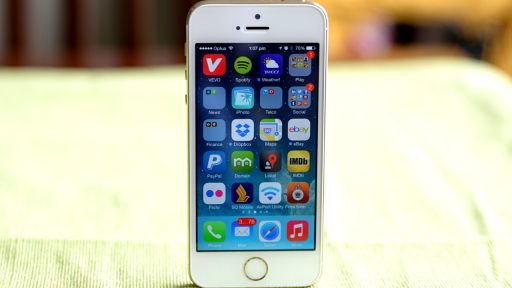
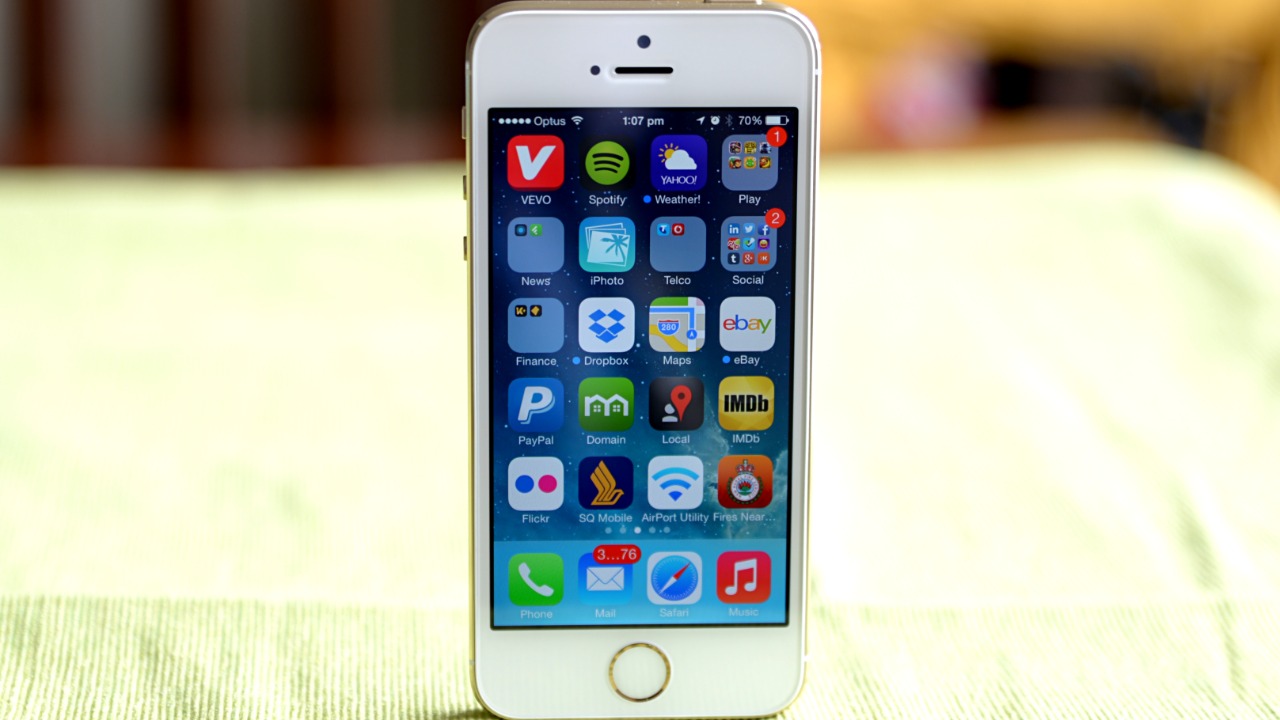

Apple has quietly pushed a rare software update to the aging iPhone 5s and iPhone 6, breathing new life into devices that many owners assumed were permanently frozen in time. The move extends security support to hardware first sold in 2013 and 2014 and signals that even phones labeled obsolete can still matter when critical infrastructure is at stake.
Instead of a flashy feature drop, the release focuses on behind the scenes protections that keep core services like calls, messages, and activation working reliably. For millions of people who still rely on these handsets as daily drivers or backup phones, the surprise attention from Cupertino is less about nostalgia and more about basic connectivity and safety.
What exactly Apple shipped to iPhone 5s and iPhone 6
The core of the surprise is a new build of iOS 12, identified as iOS 12.5.8, which Apple has issued specifically for the iPhone 5s and iPhone 6 family. Reporting on the rollout notes that Apple has released iOS 12.5.8 for the iPhone 5s and iPhone 6, explicitly framing it as an unexpected update for smartphones that had long since fallen off the regular support list. A separate breakdown of the rollout explains that Apple quietly shipped the software to its 13 year old iPhone 5s and the slightly newer iPhone 6, restoring the ability to sign in with an Apple ID, activate a device, or place FaceTime video calls without running into expired security checks.
From a user perspective, the update arrives like any other system patch, through the Software Update menu, but its content is unusually narrow and technical. Analysis of the release notes points to a focus on certificate handling rather than new apps or interface tweaks, which is why owners will not see visible changes on the home screen after installing iOS 12.5.8. Instead, the value lies in the fact that these phones can continue to authenticate with Apple’s servers and mobile networks, a subtle but essential requirement for everything from iMessage to restoring a backup on a refurbished product.
The quiet reason: certificate expiration and network reliability
Under the hood, the driving force behind this late stage update is not a sudden change of heart about feature support, but a looming problem known as certificate expiration. According to Apple’s own release notes, the new build extends a security certificate that would otherwise have expired and potentially blocked older phones from connecting to key services, a point that is spelled out in detail in an explanation of how According to Apple, certificate lifespans can directly affect whether devices can reach activation servers or specific carrier networks. A companion analysis of the same issue reiterates that the update is about preventing disruptions tied to expiring credentials, with Apple highlighting the risk that some users, including those connecting to the Australian network, could lose access if the certificate were allowed to lapse.
The stakes became clearer when Apple temporarily halted several other iOS updates after reports that some older iPhones could not connect to emergency services. Coverage of that decision notes that the Latest versions of iOS 18, 16, 15, and 12 were all paused because of network issues that interfered with calls to emergency numbers, a scenario no platform vendor can afford to ignore. In parallel, Apple also stopped signing several of the newly released builds for older iPhones, with one report noting that on Wednesday January Apple, in a decision detailed by Tim Hardwick, removed signing status for multiple versions that had gone out earlier in the week, effectively forcing affected users back to safer configurations.
How far back Apple is willing to go
What makes this episode stand out is just how old the supported hardware is by modern smartphone standards. The iPhone 5s and iPhone 6 were introduced in 2013 and 2014, yet owners are now seeing fresh software in 2026, a span that even Apple’s critics acknowledge is unusually long for mobile devices. One overview of the situation points out that if you have a model as old as the iPhone 5s or iPhone 6, those devices are still receiving attention from Apple more than a decade after launch, a reality that has surprised many users who assumed their phones were permanently stuck on whatever build shipped last year, as highlighted in a guide for Jan owners.
Another analysis goes further and argues that Apple has effectively broken its own software longevity record, describing the iPhone 5s as “immortal” after receiving an update 12 years after launch and noting that Apple has extended support to millions of devices that most companies would have abandoned. A separate breakdown of the new firmware for the iPhone 5s frames it as a rare case of a 13 year old handset getting fresh code, with With the announcement of the second generation AirTag, Apple released iOS 26.2.1 to add compatibility to this new item tracker and, in the process, underscored that its phones often receive updates way longer than other manufacturers. Even if iOS 26.2.1 targets newer models, the fact that the same company is also shipping iOS 12.5.8 to the iPhone 5s in the same window shows how wide Apple’s support spectrum has become.
What the update changes for “obsolete” owners
For people still carrying these devices, the practical impact is less about new features and more about keeping the basics from breaking. A detailed walkthrough of the rollout notes that Apple released new updates for the iPhone 5s, iPhone 6, and iPhone 6 Plus, and that the patch restores the ability to sign in with an Apple ID, use iMessage and FaceTime, and complete device activation, all of which had been threatened by expiring certificates, as explained in a guide to these Obsolete phones. A second look at the same update emphasizes that Apple just issued a patch for an iPhone that is over 12 years old, underscoring how rare it is for a company to revisit hardware that has already been labeled as Just Received and New Update in Apple’s own support documentation.
From my perspective, the move also has a quieter economic and environmental dimension. Every iPhone 5s or iPhone 6 that remains functional as a backup device, a child’s first phone, or a dedicated music and messaging handset is one less piece of hardware headed for recycling or the secondary market. Owners who still rely on these models can now keep using services like FaceTime and iMessage without worrying that a silent certificate failure will suddenly cut them off, a reassurance that is particularly important for people who treat an older iPhone as an emergency only phone stored in a glovebox or travel bag. Even in that niche, the ability to complete activation and place calls after a reset depends on the same certificate infrastructure that Apple has just extended with iOS 12.5.8 for the iPhone 5s, iPhone 6, and iPhone 6 Plus.
What it signals about Apple’s broader software strategy
Stepping back, the iOS 12.5.8 release fits into a broader pattern in which Apple is trying to balance aggressive innovation on its latest platforms with a baseline of safety and reliability for older ones. On the cutting edge, the company is shipping builds like iOS 26.2.1 to support new accessories such as the second generation AirTag, with Apple using that release to add compatibility for the tracker and to showcase how long its phones receive updates compared with rivals. At the same time, it is also pausing and unsigning problematic builds when network issues arise, as seen when Tim Hardwick detailed how Apple stopped signing several iOS updates for older iPhones after connectivity problems surfaced.