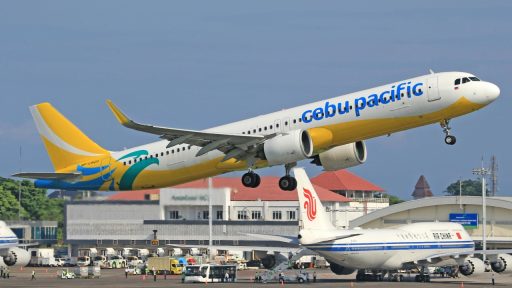
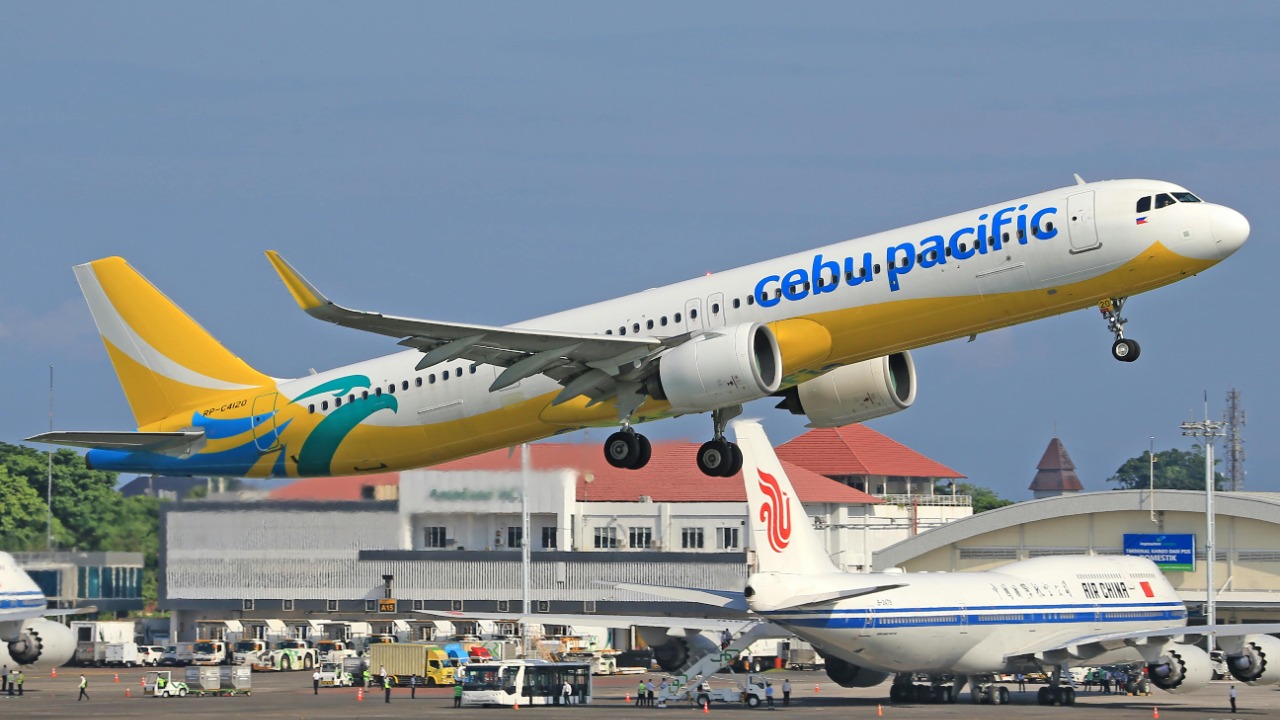

Cebu Pacific is turning 30 at a moment when the Philippines is throwing open its doors to Chinese visitors, creating a rare alignment of policy and market timing for the country’s biggest budget carrier. As Manila relaxes visa rules and Chinese travelers regain confidence to go abroad, the airline is positioning itself to capture a new wave of demand while still keeping a cautious eye on costs and capacity. I see an airline trying to celebrate its past while quietly retooling for a very different competitive landscape in the next decade.
Visa-free China access reshapes Cebu Pacific’s demand outlook
The Philippines has given airlines a powerful new demand lever by allowing nationals from China to enter the country visa free for up to 14 days, a move that directly targets short leisure trips and quick business visits. Under the new policy, Chinese travelers can arrive without a traditional visa as long as they meet specific entry conditions, including return tickets and proof of funds, which lowers friction for spontaneous travel and group tours. A separate government announcement reiterated that the Philippines will grant visa free entry to Chinese nationals for up to 14 days beginning on a Friday in January, underscoring how central this market has become to tourism strategy.
For Cebu Pacific, this policy shift effectively reopens one of its most important pre pandemic corridors and helps align the Philippines with its regional competitors. Cebu Pacific president and chief commercial officer Xander Lao has framed the easing of China travel rules as a long overdue step that finally puts the country “at par” with its Southeast Asian neighbors, which have been faster to court Chinese tourists. In parallel, another briefing on the same theme stressed that the China reopening offers clear upside for Cebu Pacific, even as the airline keeps its 2026 outlook conservative, signaling that management sees the opportunity but is wary of overextending in a still volatile market.
Fleet plans and cautious growth targets through 2026
Behind the upbeat talk about China, Cebu Pacific’s growth plan for 2026 is deliberately measured, reflecting both engine reliability issues and a desire to protect yields. The airline expects to receive five narrow body aircraft and two wide body aircraft over the year, a fleet addition that supports moderate expansion without flooding the market with excess capacity. Executives have indicated that Cebu Pacific is targeting passenger growth in the mid single digits, with one forecast pegging 2026 expansion at about 6 percent to 10 percent, a range that balances optimism with the reality of ongoing Pratt & Whitney constraints on some Airbus jets, as highlighted in a detailed Jan report.
Industry watchers have also noted that Cebu Pacific plans to receive seven aircraft in 2026, including two A330neos, while retiring older Airbus models and gradually shifting more of its fleet to newer NEO variants. One aviation analyst summarized the year ahead by pointing out that Cebu Pacific will relaunch its Manila Riyadh route and projects that 6 percent to 10 percent growth despite engine issues, which should translate into more hiring and new destinations as the year progresses, according to a summary of expected developments. In my view, this kind of incremental growth, rather than a rapid ramp up, gives Cebu Pacific room to adjust if China demand takes longer than expected to normalize.
Network shifts from Clark to Riyadh and beyond
Cebu Pacific is not just counting on China; it is also reshaping its network to relieve congestion in Manila and deepen its long haul footprint. The airline is preparing to move its remaining turboprop operations from Ninoy Aquino International Airport to Clark, a shift that was originally supposed to be completed in late 2025 but has now been extended to March 29, 2026. With the turboprops vacating Manila, Cebu Pacific can free up valuable slots for larger jets and higher yielding routes, a strategy detailed in a report that noted the revised deadline and the operational benefits that come With the transfer.
On the long haul side, Cebu Pacific is expanding its Middle East presence by adding more wide body flying and reviving links to key labor and diaspora markets. The airline has confirmed that it will begin operating between Manila and Riyadh using Airbus A330 aircraft, making Riyadh the carrier’s fourth long haul destination and reinforcing its role in serving overseas Filipino workers and inbound visitors from Saudi Arabia. When I look at these moves together, I see a network strategy that tries to decongest Manila, tap premium long haul flows, and then layer in China growth as visa free travel takes hold.
Anniversary branding, nostalgia and tourism tie ups
Turning 30 has given Cebu Pacific a chance to refresh its image and reconnect with Filipino travelers who grew up with the brand’s low fare ethos. The airline kicked off its anniversary year with a heartfelt brand film titled “Si Cebie at Ako,” a campaign that leans into stories of resilience and everyday dreams and positions Cebu Pacific as a companion for both routine trips and long awaited personal adventures, as described in coverage of the Heartfelt Brand Film. A separate marketing analysis noted that Cebu Pacific marks 30 years with a brand film celebrating resilience and everyday dreams, with creative work led by Gabriel Budi and a focus on how travel enables small but meaningful life milestones, according to Gabriel Budi.
The anniversary push has spilled into physical events and tourism partnerships that aim to turn sentiment into bookings. Cebu Pacific went “full throwback mode” with a 1990s themed 30th anniversary kickoff, leaning into nostalgia for its early days after it was Founded in 1996 by the Gokongwei family. Social media posts from the event, including an Instagram reel tagged “Cebu Pacific 30th Anniversary Kickoff #cebupacific #travel #budgettravel,” show how the airline is using user generated content to amplify its message. At the same time, Cebu Pacific has launched “Happy Starts in Cebu,” a campaign where Happy Starts in partnership with Philippine Tourism, Cebu hotels and resorts, offering exclusive travel deals that tie airline seat sales to local hospitality promotions.
Tourism ecosystems, destinations and the China connection
Visa free access for Chinese visitors will matter most if the broader tourism ecosystem is ready to capture and disperse that demand across the country. Cebu Pacific is already working with the Department of Tourism’s “Visit Cebu” campaign, aligning its seat sales with a push to draw more travelers into the central Visayas. One promotion explicitly supports the DOT’s Visit Cebu initiative, with a travel period running from February 1 to July 31, 2026 and hotel deals stretching to late August, signaling a coordinated attempt to smooth demand over several months rather than just peak holidays. In my reading, this kind of regional focus could be particularly attractive to Chinese travelers looking for beach destinations that feel less saturated than traditional hotspots in Thailand or Vietnam.
At the same time, Cebu Pacific is leaning on its domestic and regional network to funnel visitors into secondary cities and island gateways. The airline has highlighted partnerships in Cebu that bundle flights with resort stays, while also promoting connections to other tourist hubs that appear in travel guides and mapping tools, including locations showcased through place based content. On the ground, the carrier has staged anniversary events at major malls and airports, with one update noting that Cebu Pacific is set to kickoff its 30th anniversary celebration at a central venue, as seen in a Jan event post. If Chinese arrivals ramp up as expected, these domestic links and destination campaigns will be crucial in turning a visa policy win into sustained tourism revenue rather than a short lived spike.