
A suspected exposure to a lethal hemorrhagic fever virus that can cause bleeding from the eyes has triggered an emergency response at a high-security United States research facility, thrusting a normally obscure lab into the center of public anxiety about deadly pathogens. The scare, which unfolded inside a secretive complex that routinely handles some of the world’s most dangerous viruses, has collided with a separate outbreak of Marburg virus abroad to raise fresh questions about how prepared the country really is for the next biological shock. I see the incident as a stress test of both laboratory safety culture and the broader system that is supposed to catch a catastrophe before it spills into the outside world.
At the same time, health authorities are tracking Ethiopia’s first known Marburg outbreak, a reminder that the most frightening threats are not hypothetical constructs in a lab but real infections spreading in communities with limited resources. As the United States weighs the risks of cutting-edge research against the fear of a lab accident, the global picture shows that nature is still the most prolific bioterrorist, and that what happens in a remote village or a sealed biosafety suite can quickly become everyone’s problem.
The emergency inside Rocky Mountain Laboratories
According to officials, the immediate trigger for the alarm was a suspected exposure to a lethal hemorrhagic fever virus at Rocky Mountain Laboratories, or RML, a high-containment facility in Montana that works with some of the most dangerous pathogens on earth. The incident occurred at the complex, described in reporting as a U.S. Secret Military Disease Lab, after Staff were working with a virus associated with severe bleeding, including from the eyes, prompting a full internal emergency response and medical monitoring of those potentially affected. The fact that this happened inside Rocky Mountain Laboratories, a site already designed for maximum containment, underscores how even the most secure environments must constantly contend with human error and the unpredictable behavior of live agents, as detailed in coverage of the incident.
Officials have confirmed that there was a suspected exposure at Rocky Mountain Laboratories in Montana last Nov, and that Staff were engaged in work that required the highest level of biosafety precautions when the potential breach occurred. The response, which included immediate isolation protocols and medical evaluation, illustrates how seriously such events are treated inside the U.S. biodefense network, even when there is no evidence that the virus has escaped the facility or infected the surrounding community. From my perspective, the episode is less a sign that the system is failing than a stark reminder that the margin for error in a place like RML is vanishingly small, a point underscored by the way Officials describe the specialized training required for personnel to handle deadly pathogens in such settings.
What makes a “bleeding eye” virus so feared
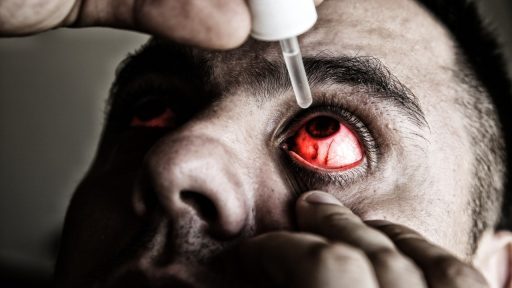
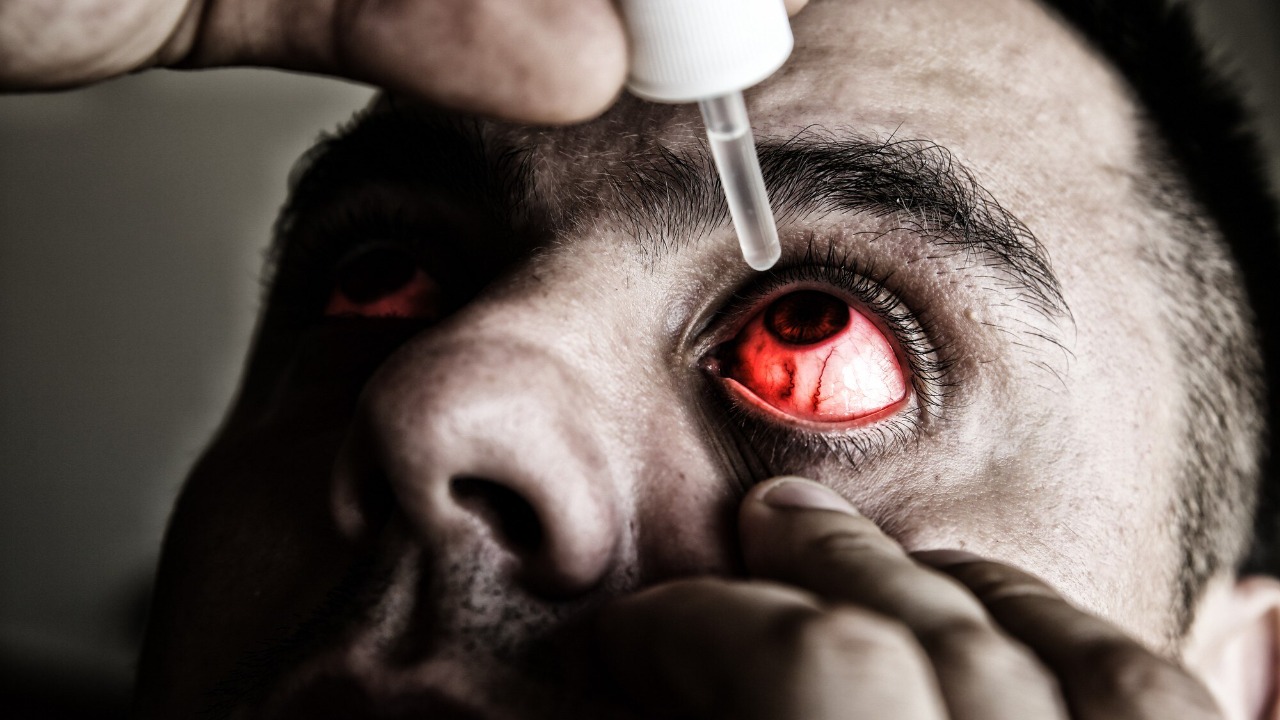
The phrase “bleeding eye virus” is not a formal scientific label, but it captures the visceral horror of hemorrhagic fevers that can cause blood to seep from mucous membranes, including the eyes, nose, and mouth. Marburg virus, which belongs to the same family as Ebola, is one of the most feared of these agents because it causes a severe and often deadly viral hemorrhagic fever that can progress from high fever and malaise to shock, multi-organ failure, and catastrophic bleeding in a matter of days. In technical terms, Marburg is a filovirus with a case fatality rate that has reached extremely high levels in some outbreaks, and patients can deteriorate rapidly, sometimes dying within one week after symptom onset, as documented in detailed analyses of Marburg and its clinical course.
From a risk perspective, what makes viruses like Marburg and Ebola uniquely terrifying is the combination of dramatic symptoms, high mortality, and the potential for person-to-person spread through contact with blood and other bodily fluids. Even when the absolute number of cases is limited, the psychological impact of a disease that can cause visible hemorrhage, including bleeding from the eyes, is enormous, and that fear can drive political decisions about research funding, travel restrictions, and emergency declarations. I find that the public often conflates different hemorrhagic viruses into a single nightmare scenario, but the science is clear that each pathogen has its own transmission dynamics and control strategies, which is why precise characterization of agents handled in labs like Rocky Mountain Laboratories is so critical for both safety and communication.
Ethiopia’s first Marburg outbreak and the global backdrop
While the United States grapples with the implications of a lab scare, Ethiopia is confronting its first known outbreak of Marburg virus, a development that highlights how deadly pathogens are not confined to secure facilities. In that country, health workers are dealing with a severe and often deadly viral hemorrhagic fever caused by Marburg, which, as noted earlier, belongs to the same family as Ebola and can kill patients within one week after symptom onset if supportive care is not available or arrives too late. The emergence of Marburg in Ethiopia is particularly worrying because it suggests the virus is expanding its geographic footprint, and because health systems in affected regions may struggle to provide the intensive monitoring, fluid management, and infection control needed to keep both patients and caregivers safe, a reality underscored by reports that Ethiopia is facing its first Marburg outbreak and that it has already proved deadly.
In response to the situation in Ethiopia, The Centers for Disease Control and Preventi have issued an advisory on the Marburg virus outbreak in that country, with the CDC coordinating with the Office of the Assistant Secretary for Preparedness and Response, or ASPR, to provide support and guidance. The advisory emphasizes that, based on current information, the risk to the United States is low, but it also outlines steps for clinicians and public health departments to recognize potential imported cases and to protect health care workers from exposure. I see this as a textbook example of how global surveillance and domestic preparedness intersect, with the CDC and ASPR using information from Ethiopia to fine-tune domestic readiness even as they reassure the public that there is no immediate cause for panic.
Safety culture, oversight, and the RML track record
One of the most striking aspects of the Rocky Mountain Laboratories scare is that it did not occur in a vacuum; the facility’s safety record and oversight mechanisms were already under scrutiny. A June 2025 NIH-backed report showed that the lab had previously been cited for issues related to biosafety practices, even as it continued to carry out high-stakes research on dangerous pathogens. That history matters because it shapes how both regulators and the public interpret a suspected exposure: is it an isolated misstep in an otherwise robust system, or part of a pattern that suggests deeper cultural or structural problems inside RML? From what has been reported, the lab has taken steps to address earlier findings, but the fact that a suspected exposure could still occur reinforces the need for relentless attention to training, equipment maintenance, and incident reporting, as highlighted in the NIH-backed assessment.
Regulators require high-containment labs like Rocky Mountain Laboratories to submit detailed incident reports, and these reports are mandatory for facilities that handle select agents and other high-risk organisms. According to public summaries, such reporting has previously revealed problems at other institutions, including issues that surfaced a year before the global outbreak of a different pathogen, which in turn spurred changes in protocols and infrastructure. I read that history as a warning that transparency is not optional in this domain; it is the mechanism by which small failures are turned into lessons rather than precursors to disaster. The reference to reports being mandatory and to earlier problems emerging a year before a global outbreak, captured in analyses of how these reports function, should serve as a reminder that the paperwork is not a bureaucratic chore but a core safety tool.