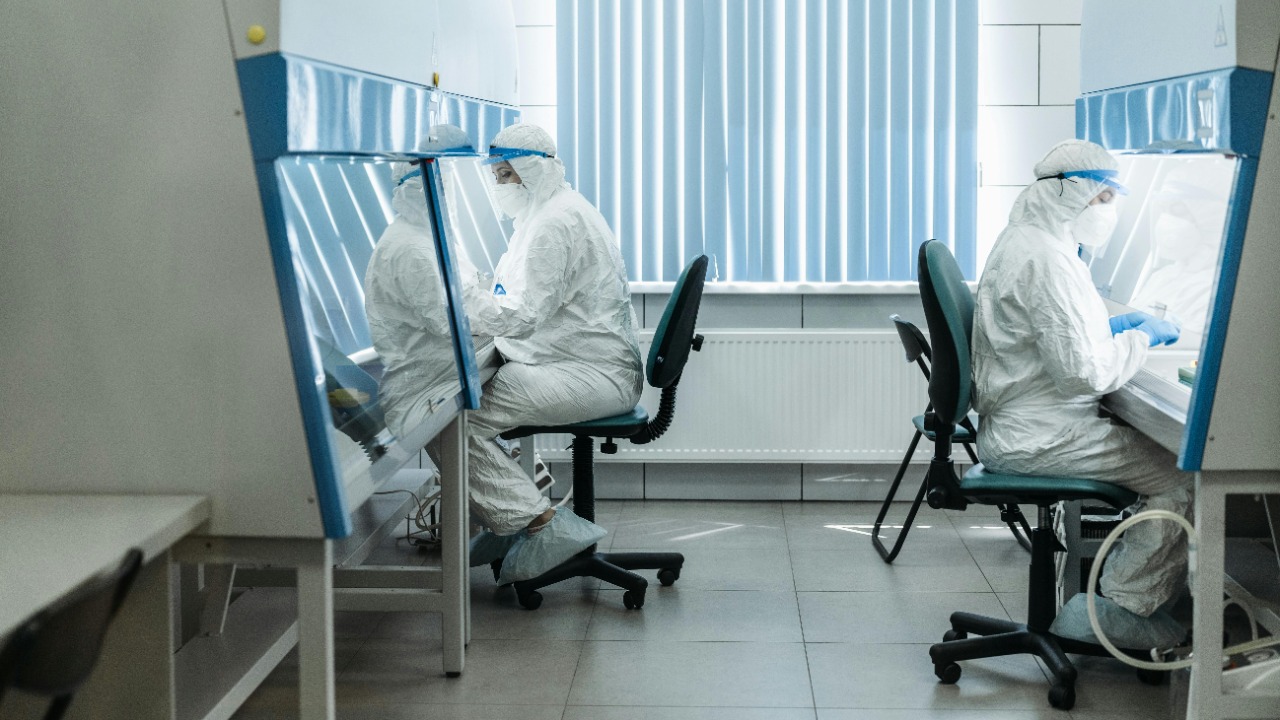

A suspected exposure to a deadly pathogen inside a federal research facility has revived uncomfortable questions about how the United States manages its most dangerous biological work. The incident, which involved a high-containment lab studying lethal viruses, is being treated as a contained event, but it has exposed gaps in Trump-era safety systems that were billed as robust safeguards. I see it as a stress test of the country’s biological security architecture, and the early lessons are not reassuring.
At stake is more than one lab’s compliance record. The episode highlights how policy choices made in Washington, from funding decisions to oversight structures, shape what happens at the bench when a researcher’s glove tears or a waste system fails. It also shows how President Donald Trump’s own push to tighten biosecurity has collided with the realities of aging infrastructure, fragmented oversight, and a research culture still struggling to balance speed with safety.
Inside the “biological incident” and what went wrong
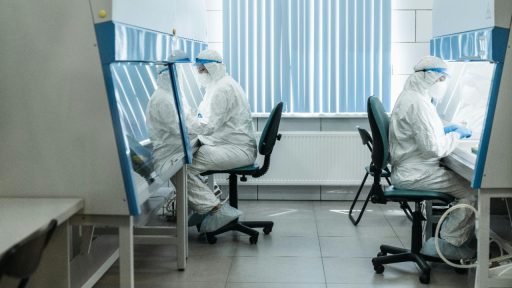
Federal officials have confirmed that a government scientist working in a high-containment facility experienced a potential exposure while handling a deadly pathogen, triggering what they formally described as a “biological incident.” According to federal records, the event occurred at a facility that is part of the national network of labs tasked with studying some of the world’s most dangerous agents. The Feds have said the worker was quickly evaluated and that there is no evidence of community spread, but watchdogs argue that the mere fact of a breach in such a controlled environment points to deeper systemic problems that predate the current scare and stretch back through the Trump years.
Separate documents show that an NIH facility reported a similar “Lab Studying Deadly Pathogens Reported Biological Incident In November” after a researcher’s work with a high-risk agent raised concerns about possible exposure. Those Federal Records, highlighted by commentator Tyler Durden, describe a November 13 event that required emergency protocols and medical monitoring. Taken together, the incidents suggest that even in elite federal labs, the combination of human error, equipment vulnerabilities, and procedural drift can defeat layers of protection that look airtight on paper.
A history of lapses at America’s most secure labs
The latest scare does not come out of nowhere. In August, the Army’s flagship biodefense center at Fort Detrick saw its “deadly germ research operations” shut down after inspectors found serious safety violations, including problems with the disposal of dangerous materials that were supposed to be neutralized before leaving high-containment areas. The Fort Detrick suspension underscored how even facilities steeped in decades of military discipline can fall short of basic biosafety expectations when oversight weakens or systems age.
Other federal labs have their own complicated legacies. The Rocky Mountain Lab in Montana, for example, has long been a hub for tick-borne disease research and, according to one historical account, is where ticks were weaponized with NIH and DOD support to spread Lyme and other diseases in the 1960s and “70” for both humans and livestock. That history, cited in a recent discussion of Rocky Mountain Lab, feeds public suspicion whenever a new incident surfaces, because it reminds people that the line between defensive research and offensive capability has not always been bright. When today’s lapses occur in institutions with that kind of past, trust erodes even faster.
Trump’s safety agenda meets lab reality
President Trump has repeatedly framed his biosecurity agenda as a corrective to earlier eras of lax oversight, pointing to a suite of executive actions and legislation meant to tighten control over dangerous research. A White House fact sheet titled “Trump Achieves Improved Safety and Security of Biological Research” cast these efforts as part of a broader campaign branded as PROTECTING AMERICANS FROM DANGER, arguing that new standards would prevent repeats of past mishaps involving influenza and other high-consequence pathogens. The document from The White House presents these moves as a clean break with what it portrays as a more permissive past.
Yet the same period has been marked by turbulence in the research ecosystem that, according to some experts, has made safety harder, not easier, to sustain. One analysis warned that by disrupting the steady flow of federal support for scientific research, political interference jeopardizes not only current public health work but also the training and staffing needed to maintain rigorous lab practices. That critique, captured in the Oct Pandora Report, argues that when grants are delayed or abruptly canceled, labs cut corners on maintenance and safety upgrades first. In my view, that tension between headline-grabbing security rhetoric and the quieter reality of underfunded infrastructure is one of the clearest throughlines connecting Trump-era policy to the current incident.
High-risk research, gain-of-function freezes, and centralization fears
Nowhere is the policy contradiction sharper than in the debate over experiments that can make pathogens more transmissible or deadly. Trump’s team moved to freeze certain “gain of function” projects, citing the difficulty of predicting how tweaks in the lab will affect a virus in people and the risk that a lab-modified strain could escape. Scientists have acknowledged that Researchers are often unable to predict whether their changes will make a virus more pathogenic or transmissible in humans, which makes the case for caution compelling. But the same policy wave has also brought budget cuts and grant cancellations that hollow out the very safety culture needed to run the remaining high-risk work responsibly.
At the same time, the White House has pushed to centralize oversight of high-risk pathogen research, arguing that a more unified system will close gaps exposed by past mishaps. Critics counter that the approach risks concentrating power in a small circle of decision makers while leaving frontline labs to navigate complex rules without adequate support. A recent analysis of the new framework warned that, Back in May, the White House order to strengthen biological research safety quickly drew concern about how centralization might affect independent review and whistleblower protections. Those worries are reflected in a discussion of high-risk pathogen oversight that sees the current incident as a case study in the limits of top-down control.
Bleeding-eye virus scare and the human factor
The most vivid illustration of those limits came when a suspected exposure to a so-called “bleeding-eye” virus triggered an emergency response at a secretive U.S. lab. Internal accounts describe alarms sounding after a worker’s personal protective equipment was found to be compromised while handling a pathogen associated with hemorrhagic symptoms. The episode, which drew at least 34 comments and referenced 32 as part of the discussion thread around the lab’s safety culture, underscored how quickly a single breach in an employee’s gear can escalate into a full-blown crisis. Details of the scare, including the focus on an employee’s personal protective equipment, surfaced in coverage of a suspected exposure that has since become a touchstone in debates over lab safety.
For all the focus on regulations and executive orders, episodes like this remind me that the human factor remains the most fragile link in the chain. Even the best-engineered facility can be undone by fatigue, rushed procedures, or inconsistent training. That is one reason why some in the health security community argue that the Trump administration’s emphasis on headline-grabbing restrictions, such as the gain-of-function freeze, has overshadowed the less visible work of building a resilient safety culture. When staff worry more about shifting political directives than about methodical drills and equipment checks, the risk of another “biological incident” only grows.