
The iPhone 18 Pro is still months away, yet a surprisingly detailed picture is already forming around Apple’s next flagship. Early leaks point to a redesigned front, a reworked camera system, and deeper AI integration that could mark one of the biggest shifts in the lineup in years. If even a fraction of these claims hold, the iPhone 18 Pro looks less like a routine spec bump and more like a reset of what Apple’s premium phone is supposed to be.
What stands out is how consistent the broad strokes have become across multiple reports, even as smaller details keep shifting. The emerging consensus is that Apple is using the iPhone 18 Pro generation to prepare for a foldable future, push more sensors under the display, and double down on computational photography, all while juggling weight, battery life, and price.
Design shake-up and the shrinking Dynamic Island
The most visible change on the iPhone 18 Pro is expected on the front, where Apple appears to be moving away from the current cutout proportions toward a more discreet layout. Several reports now point to a smaller, pill-shaped area that keeps the dot projector and infrared camera centered while trimming unused space, effectively shrinking the Dynamic Island without sacrificing Face ID. That would give Apple more room to push status icons and content higher, making the display feel closer to edge to edge even before any sensors disappear entirely under the glass.
There has been confusion over whether Apple might move this cutout to the top left corner, but more recent reporting suggests that some of those renders were based on a mistranslation rather than solid engineering leaks. One analysis traces the off-center punch-hole concept to a translation issue that produced completely inaccurate diagrams of the front panel. That correction aligns with newer panel images that show a more refined, but still central, cutout and reinforce the idea that Apple is iterating on the current design rather than abandoning it outright.
Display tech, under-screen Face ID, and that 48 metric
Beyond the shape of the cutout, the iPhone 18 Pro display itself is expected to take a meaningful step forward. Rumors around the front panel have been “all over the place,” but they now converge on a design that keeps a small opening for the selfie camera while moving the rest of the Face ID hardware under the screen. Multiple reports on the broader iPhone 18 family describe display Face ID as a key goal for the Pro models, which would explain the focus on a slimmer Dynamic Island and the emphasis on new panel technology.
One detailed look at the front glass, attributed to Tim Hardwick, highlights how Apple is trying to balance that ambition with manufacturing realities. The report notes that Rumors around the exact sensor layout keep shifting, but the throughline is a more immersive panel that preserves the 48 figure associated with the current high-resolution camera generation while hiding more of the biometric stack. If Apple pulls this off, the iPhone 18 Pro could feel like a preview of a fully hole-free screen without forcing users into a first-generation foldable.
Camera overhaul, heavier Pro Max, and photography priorities
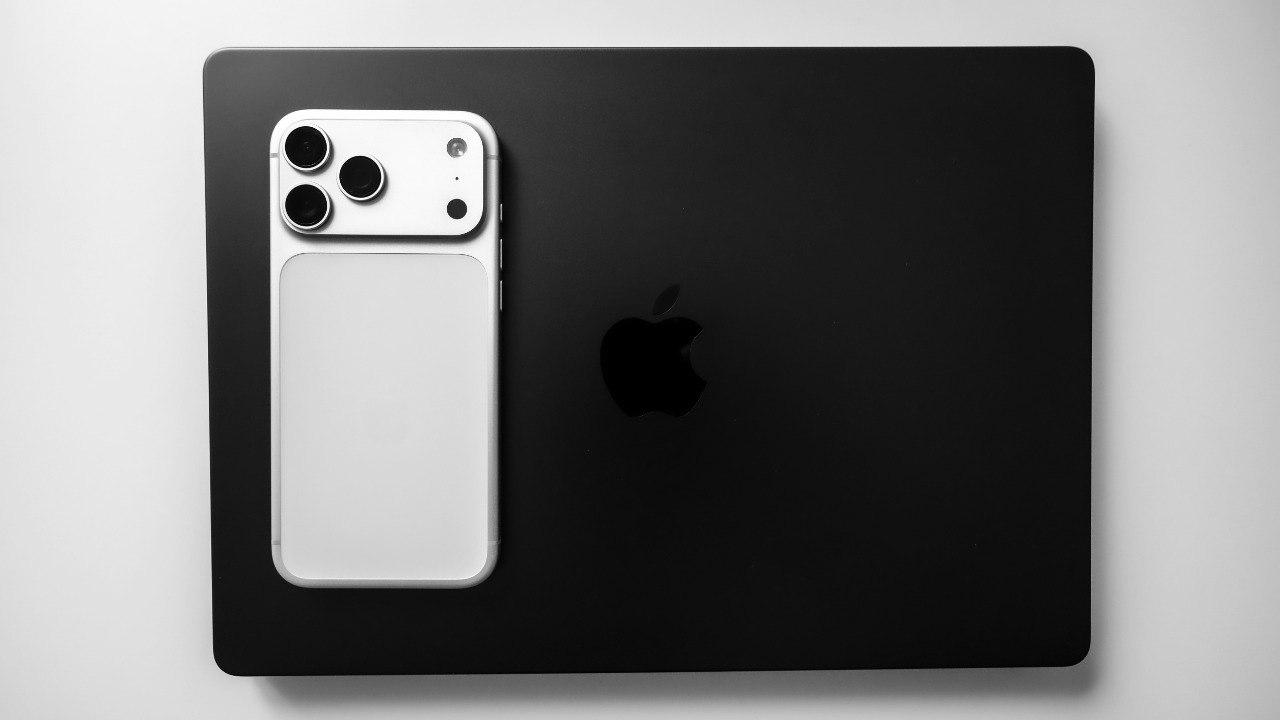
On the back, the iPhone 18 Pro is widely expected to receive a major camera overhaul that goes beyond incremental sensor tweaks. Early looks at the hardware, including a detailed breakdown from Dec, describe a redesigned module that makes room for new optics and a rebuilt AI chip to handle more advanced image processing. Separate reporting on the broader iPhone 18 lineup points to a variable aperture system for the cameras, which would let the phone adapt more like a traditional lens, opening wide for low light and stopping down for sharper daytime shots, a capability flagged as part of the Key camera Features.
Those ambitions come with a cost in weight, especially for the larger model. One detailed analysis of the iPhone 18 Pro Max argues that the camera system is “perpetually the biggest and heaviest module in the phone” and cites Leaks suggesting the Pro Max will hit a record 243 grams. That piece frames the extra bulk as the price of maintaining Apple’s leadership in mobile photography, particularly if the company is adding more glass elements, a larger sensor, or a longer periscope zoom. For buyers, the trade-off will be straightforward: accept a heavier device in exchange for a camera that pushes further into dedicated-camera territory.
Split strategy, foldable ambitions, and Pro positioning
Under the surface, the iPhone 18 generation looks set to formalize a split strategy that has been building for years. Reporting on the full lineup describes a Split launch approach that includes the first foldable iPhone alongside the familiar slab designs. In that context, the iPhone 18 Pro becomes the mainstream flagship that absorbs as much next-generation tech as possible, such as under-screen Face ID and variable cameras, while the foldable experiments at the edge of the lineup. The Pro models are also singled out as the likely home for the most advanced Face ID for Pro features, reinforcing their role as the technology showcase.
That positioning is echoed in broader rumor roundups that frame the iPhone 18 Pro as the default choice for buyers who want cutting-edge hardware without the compromises of a first-generation foldable. One overview notes that Apple is expected to “grace us” with the Pro as usual later this year, but with more visible differentiation from the non-Pro models. That could include exclusive display tech, more advanced connectivity, and a more aggressive AI roadmap, all of which would justify the premium price and help Apple steer enthusiasts toward the higher-margin devices.
Dynamic Island size, AI silicon, and what I am watching next
One of the more granular leaks around the iPhone 18 Pro focuses on the exact dimensions of the new cutout. A recent report on the front panel claims that the Pro and Pro and Pro Max will share a smaller Dynamic Island, with the dot projector and infrared camera still centered but occupying less horizontal space. That detail matters because it signals how far along Apple is in its under-display roadmap: a tighter cutout suggests the company has already consolidated or shrunk some components, making it easier to hide them entirely in a future generation.
The other piece I am watching closely is the AI silicon that will sit at the heart of the iPhone 18 Pro. Early commentary from Dec describes a rebuilt AI chip as one of the headline upgrades, which would dovetail with Apple’s broader push into on-device generative features. Combined with the display refinements highlighted by Dynamic Island coverage and the course correction from Now that debunked the off-center cutout, the picture that emerges is of a phone that refines the hardware just enough to unlock a new wave of software tricks. If that balance holds, the iPhone 18 Pro could feel less like a radical redesign and more like a carefully staged step toward the foldable and fully under-display future Apple is clearly building toward.