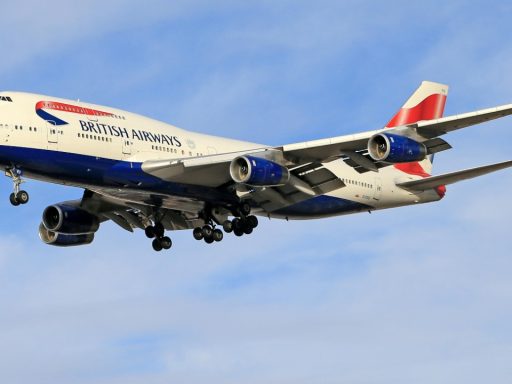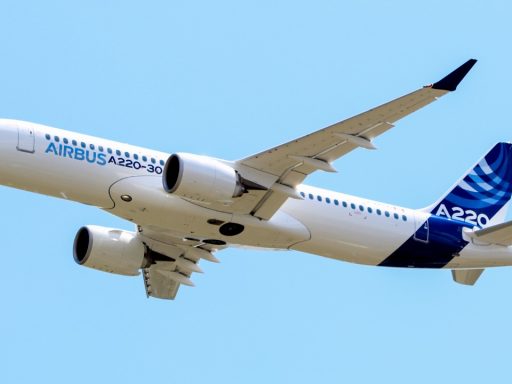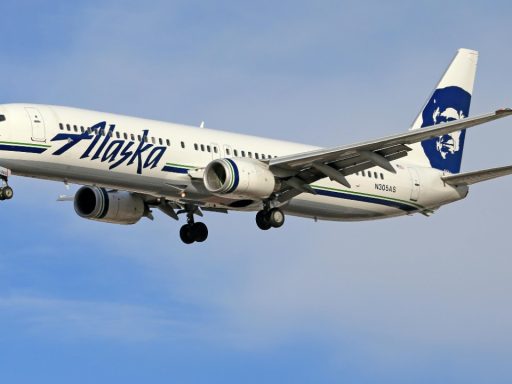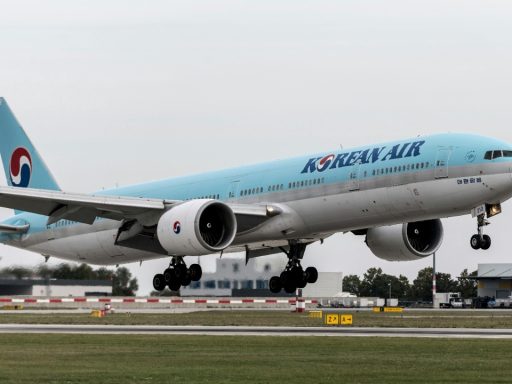

The balance of power between Airbus and Boeing has rarely looked as finely poised as it does in early 2026. One manufacturer is leading on deliveries and long-term backlog, the other has just reclaimed the crown on new orders and is racing to fix its production bottlenecks. The question of who really “owns” the skies this year comes down to how those competing strengths play out in airline fleets, investor confidence, and the next wave of greener aircraft.
From what I see in the latest numbers and projections, Airbus enters 2026 as the incumbent champion in output and order book depth, while Boeing is staging a serious comeback on sales that could reshape the rivalry if it can translate contracts into aircraft on the ramp. The skies are not owned by one side so much as contested sector by sector, with narrowbodies, widebodies, and future technology each telling a slightly different story.
Orders: Boeing’s comeback versus Airbus’s structural edge
On the raw order tally, Boeing has finally put some distance between itself and its European rival. The company booked 1,173 net commercial aircraft orders for 2025, a figure that signals a clear rebound in airline confidence in the Washington planemaker after years of crisis. Separate industry tracking shows that Boeing Surpasses Airbus in 2025 Aircraft Orders as Deliveries Reach Seven Year High, underscoring how aggressively the company has been selling its 737 MAX and 787 families even while working through supply chain and certification challenges.
Yet order momentum alone does not settle the contest. Analysts looking at the broader competitive picture argue that Airbus enters 2026 with a structural advantage, particularly in the single-aisle segment where its A321neo has become the default choice for many growth-focused carriers. In that view, Boeing’s rebound potential is greater, because it has more ground to regain, but it must convert its order surge into reliable deliveries in a relatively short period if it wants to turn sales headlines into lasting market share.
Deliveries and backlogs: Airbus’s grip on the production crown
Where Airbus currently dominates is in aircraft actually handed over to airlines. According to industry data cited by According to Reuters, Airbus managed to deliver a total of 793 airplanes in 2025, a performance that allowed it to recapture the title of the world’s largest planemaker by output and set the stage for a further ramp up that could see it deliver as many as 900 aircraft in the near term. Another detailed breakdown of the year-end figures notes that Airbus pulled decisively ahead in the struggle between the two giants of the airliner industry for market dominance, helped by its strong narrowbody production and a steady flow of A350s.
The depth of Airbus’s order book reinforces that lead. As of December, As of December 31, 2025, Airbus reported a backlog of 8,748 commercial aircraft, excluding the A320ceo, a figure that, Based on Forecast Internat, highlights how airlines have locked in capacity with the European manufacturer despite near term execution constraints. That backlog gives Airbus long visibility on production lines and bargaining power with suppliers, even as it faces the same engine and component shortages that have slowed output across the industry.
Production race: Boeing’s bottlenecks versus Airbus’s ramp up
For Boeing, the challenge in 2026 is less about demand and more about execution. The company’s own delivery figures show that it handed over 600 aircraft in 2025, including 63 new aircraft in December alone, a performance that marked a seven year high but still left it trailing its rival on output, as highlighted in the Deliveries Reach Seven Year High summary. Industry reporting describes how Boeing recorded 165 gross orders in December while Airbus booked 1,000 gross orders, according to a Jan, Airbus and update on Commercial Aircraft Orders and Deliveries, underscoring how both manufacturers are juggling record demand with constrained factories.
Airbus, for its part, is not standing still. The company has been the world’s No. 1 jet maker for the seventh successive year, and internal planning calls for single aisle production to rise sharply, with targets to lift A320 family output to 75 aircraft per month by 2027, according to a detailed look at production ramp ups. Boeing is trying to match that trajectory while also resolving quality control issues and engine de icing related disruptions that have affected some deliveries, which is why I see 2026 as a year where the American manufacturer’s ability to stabilize its factories will matter as much as its sales team’s success.
Strategic positioning: narrowbodies, widebodies, and green tech
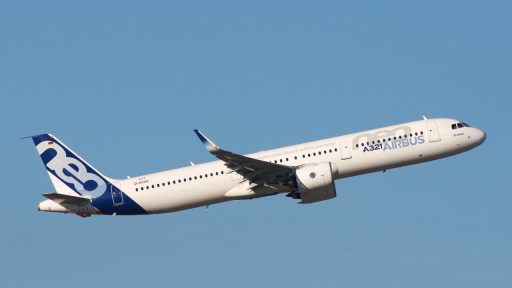
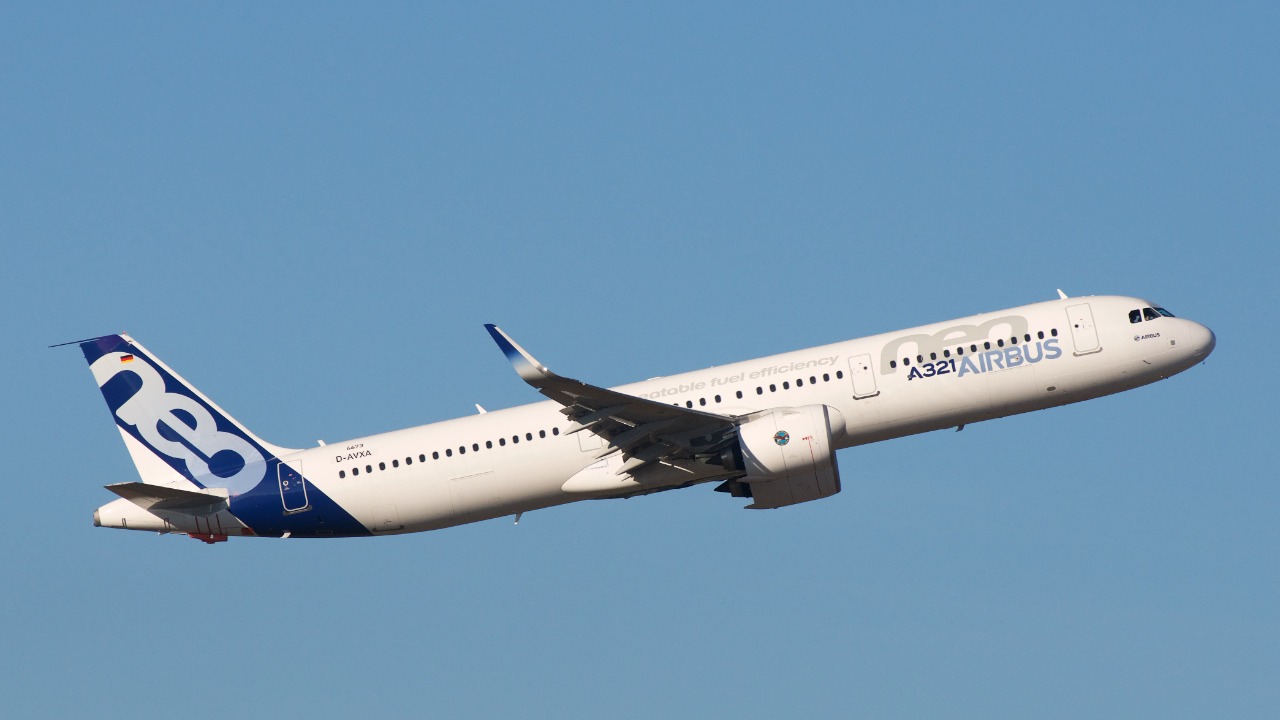
Beyond the headline numbers, the two companies are positioning themselves differently across key market segments. In the single aisle space, Airbus has built a commanding position with the A321neo and its long range variants, which many airlines see as the most flexible tool for everything from dense European routes to thinner transatlantic services. Analysts who ask Who Is Likely in 2026 often point to this narrowbody strength as the core of Airbus’s structural advantage, even as Boeing works to keep the 737 MAX family competitive and weighs options for a future clean sheet design.
On widebodies and future technology, the picture is more balanced. Boeing’s 787 and 777X families are central to its long haul strategy, while Airbus is leaning on the A350 and A330neo to anchor its own twin aisle offering. Looking ahead, the battle for long term leadership will hinge on who can best align with airline and regulator expectations on sustainability, with one detailed assessment of Airbus Vs Boeing, Who Will Rule The Air In 2026, stressing how both manufacturers are racing to secure the green technology of tomorrow, from sustainable aviation fuel compatibility to hydrogen ready concepts.
Who really leads in 2026?
When I weigh the evidence, I see a split verdict. On the one hand, Airbus Coming Out On Top in many 2026 projections, with some forecasts suggesting that Airbus Coming Out is likely to deliver roughly 900 to 1,044 aircraft this year, far outpacing Boeing’s targets and reinforcing its status as the volume leader. That production muscle, combined with a backlog of 8,748 aircraft and a strong position in the most in demand narrowbody category, gives Airbus a firm grip on the day to day reality of which jets airlines are actually flying.
On the other hand, Boeing’s resurgence on orders and its potential to dominate 2026 if it can fix its factories should not be underestimated. Some analysts argue that Jan 6 Reasons Why Boeing Could Dominate 2026 lie in its improving safety culture, a refreshed leadership focus, and the sheer scale of its 1,173 net orders, which give it a platform for growth once production stabilizes. For now, I would say Airbus owns the skies in terms of aircraft delivered and backlog security, while Boeing owns the narrative of a comeback, and 2026 will show whether that story can be turned into metal on the ramp and jets in the air.