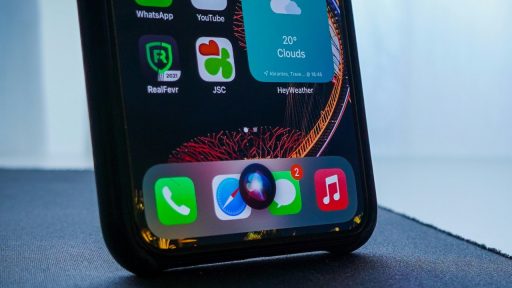
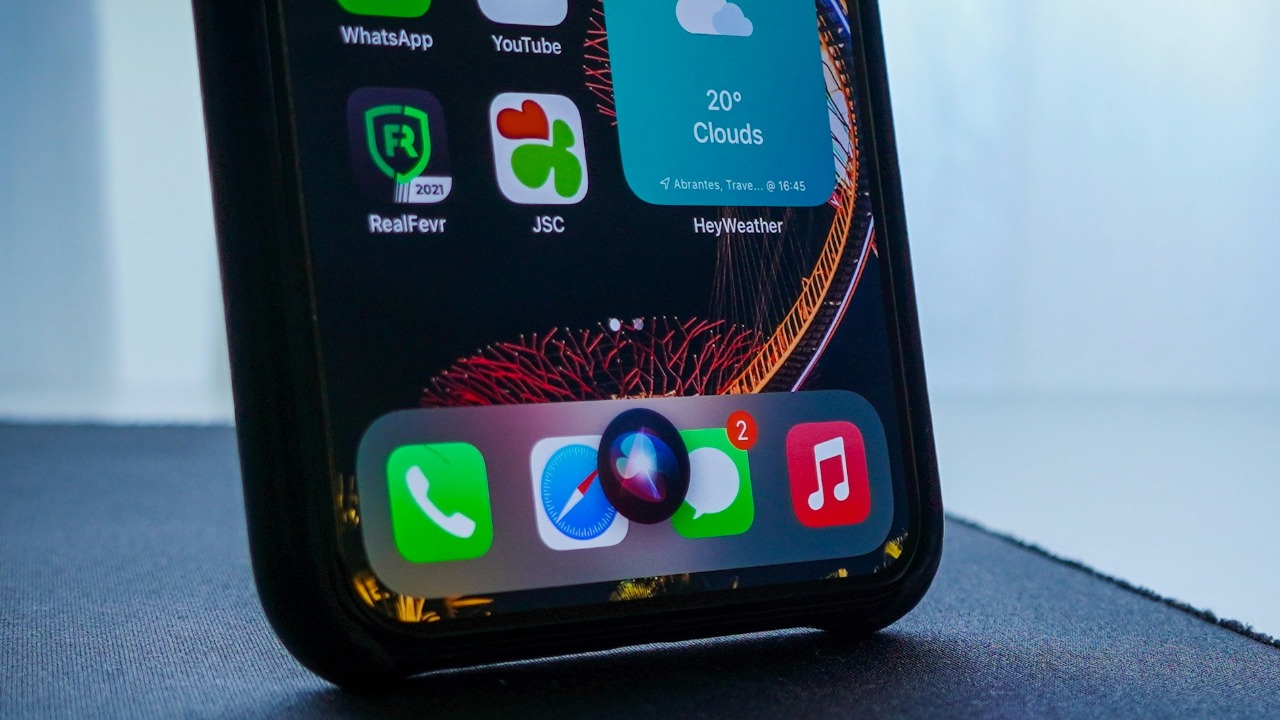

Apple is preparing its most ambitious overhaul of Siri since the voice assistant debuted, recasting it as a full conversational chatbot that lives inside the iPhone, iPad and Mac rather than as a simple voice layer on top of apps. The shift is meant to close a widening gap with rivals in generative AI and to turn everyday device interactions into natural back‑and‑forth conversations instead of a string of one‑off commands.
According to multiple reports, the company is tying this new experience to upcoming versions of iOS and macOS, with internal targets that stretch into 2026 and a strategy that leans on both its own interface design and outside AI expertise. If Apple delivers what is being described, Siri will move from being a sometimes‑frustrating helper to the centerpiece of how people navigate their devices.
The new Siri: from assistant to systemwide chatbot
The core change is conceptual as much as technical: Siri is being reimagined as a built‑in chatbot that can sustain context, reason across apps and respond in natural language, rather than a voice trigger for a limited set of actions. Reporting indicates that Apple Inc plans to turn Siri into the company’s first deeply integrated conversational agent across iPhone and Mac, with the upgrade tied to iOS 27 and macOS updates that arrive on a similar cadence, a move framed as a direct response to pressure from OpenAI and other generative AI players. That same reporting describes how the company has been working toward this moment for more than a year, with internal planning materials flagged as Takeaways by Bloomberg AI that spell out the scale of the shift.
Financial coverage of the plan underscores how central this transformation is to Apple’s broader strategy. One analysis notes that investors reacted to early details of the project with moves of up to 5.00% in Apple’s stock, highlighting how much weight markets are placing on the company’s ability to deliver a credible AI experience on its own line of smartphones. That same report describes how Apple is explicitly positioning the revamped Siri as a way to keep users inside its ecosystem at a time when AI services are increasingly platform‑agnostic.
Inside Apple’s AI timetable and technical stack
Behind the scenes, Apple has been working toward this chatbot‑style Siri through a multi‑year roadmap that stretches back to earlier AI announcements. Internal planning documents cited in mid‑2025 described how the company set a target of spring 2026 for a delayed Siri AI upgrade, with the work framed as a continuation of features that began rolling out alongside iOS 17.4 in 2024. Those internal notes, summarized as Takeaways by Bloomberg AI, show that the company has been pacing its AI rollout in stages rather than attempting a single, all‑at‑once leap.
The technical foundation for the new Siri blends Apple’s own interface work with outside model development. Multiple reports say the chatbot will feature an Apple‑designed user interface but rely heavily on a custom AI model developed by the Google Gemini team, a notable shift for a company that has historically preferred to keep core technologies in‑house. Another analysis of Apple’s AI roadmap notes that the upgraded Siri will use new Foundational Models built on Gemin, a detail that points to a hybrid approach in which Apple controls the experience layer while leaning on partners for the heaviest AI lifting, as described in coverage of Foundational Models.
From iOS 26.4 to iOS 27: how the rollout could unfold
On the software side, the new Siri experience is expected to arrive in phases, starting with a more personal assistant tied to iOS 26.4 and then expanding into a full chatbot with iOS 27. One report says the upgraded Siri will launch with iOS 26.4, with the goal of creating a more impactful and meaningful user experience before the broader chatbot features arrive. A separate social media post focused on Apple’s AI plans echoes that timing, saying Apple will Launch Siri 2.0 GPT with Advanced Features in 2026 alongside iOS 26.4, and positioning that release as a major step toward more capable virtual assistants in everyday life.
Looking slightly further ahead, community discussions around iOS 27 sketch out an expected calendar that fits Apple’s usual rhythm. One widely shared breakdown lists an Estimated launch schedule that includes an Announcement at WWDC and a subsequent public release, with the post explicitly calling out the figure 202 as part of its shorthand for the timeline. Another summary of the company’s plans notes that Apple Inc intends to revamp Siri later this year as part of iOS 27, turning it into a built‑in iPhone and Mac chatbot that is tightly woven into the operating system, a detail captured in Bloomberg AI coverage of the upgrade.
What the chatbot will actually do on your devices
Functionally, the revamped Siri is meant to feel less like a voice remote and more like a co‑pilot that understands what is on your screen, what you have been doing and what you might want to do next. Feature previews for the 2026 upgrade highlight on‑screen awareness, where Siri will understand and interact with the content currently displayed, such as a friend’s shared photo or a long email thread, and respond without forcing you to restate context. A detailed rundown of those capabilities notes that Siri will be able to carry context across multiple requests, reducing the need to repeat yourself when asking follow‑up questions about the same topic.
Integration is another key difference from third‑party chatbots that already run on Apple hardware. Reports say this new Siri AI will be wired directly into core apps such as Messages, Mail and Safari, allowing it to draft replies, summarize long pages and surface relevant information without bouncing users between separate apps. One analysis stresses that, Unlike third‑party chatbots running on Apple devices, this version of Siri AI will be integrated into the company’s core apps, which should make it feel less like an add‑on and more like a native part of the operating system.
Why Apple is racing to fix Siri now
The urgency behind this overhaul is rooted in how far Siri has fallen behind newer AI assistants in the public imagination. For years, users have complained about the assistant’s limited understanding and brittle command structure, while competitors have raced ahead with large language models that can write code, summarize documents and hold nuanced conversations. Internal and external commentary alike frame the new chatbot as Apple’s attempt to fix its AI woes, with one report explicitly stating that the company is turning to a custom model from Google Gemini in part to close that gap.
At the same time, Apple is trying to reassure users and investors that it can deliver a more powerful Siri without sacrificing the privacy and stability that have become central to its brand. A widely cited wire report notes that Apple is preparing to revamp Siri as a built‑in chatbot on iPhone and Mac, with the story credited By Reuters and illustrated with an Apple logo image shot by Dado, underscoring how mainstream the AI pivot has become for the company’s public narrative. That report, which appears in slightly different versions linked through By Reuters and a second REUTERS link, also notes that the upgrade is expected to roll out to users starting around iOS 27, with testing on iPhone 16 and iPhone 17 hardware referenced in related coverage.
Other summaries of the plan emphasize how Apple is branding the shift. One investment‑focused piece refers to the initiative as Apple’s decision to Revamp Siri as a Built In Chatbot, citing Bloomberg News Reports as the catalyst for renewed attention from analysts and highlighting how the phrase Revamp Siri has quickly become shorthand for the company’s broader AI reset. Another social post, focused on consumer expectations, talks about Apple to Launch Siri 2.0 GPT with Advanced Features in 2026, describing how GPT‑style capabilities could reshape how people think about virtual assistants in everyday life.