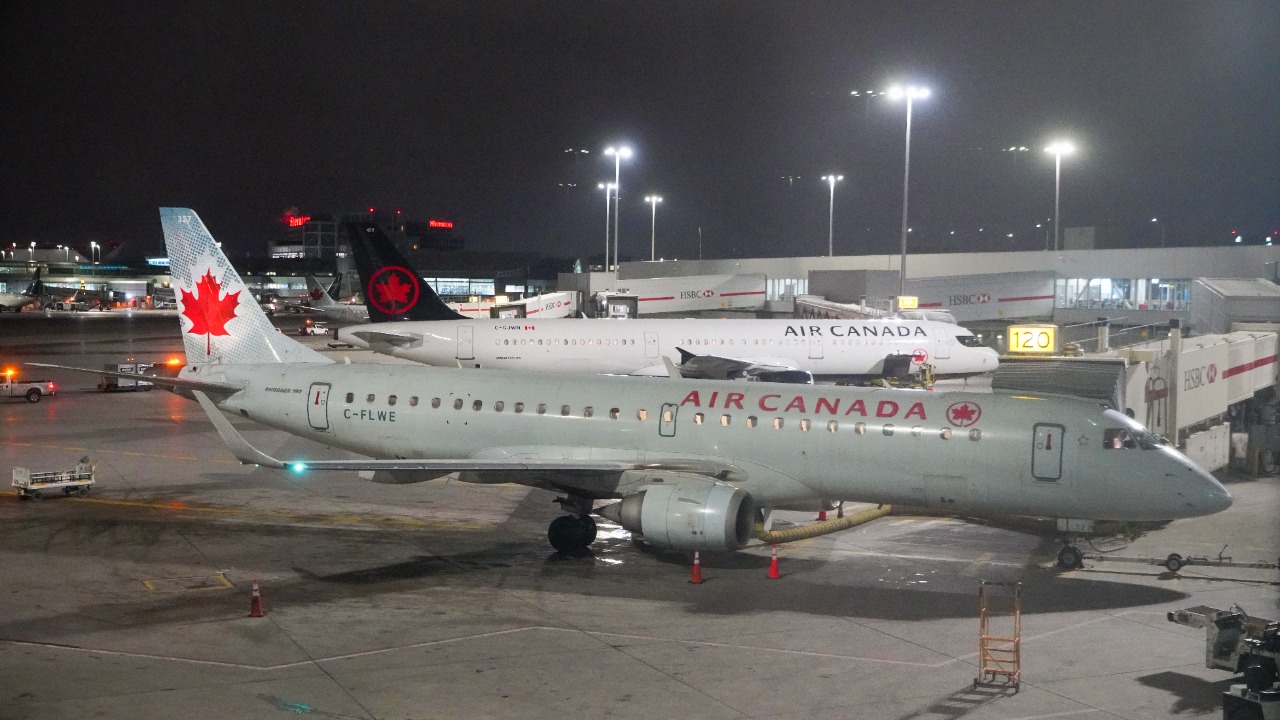

Qantas Link is preparing a generational shift in its Western Australia operations, retiring ageing Fokker 100 jets and bringing in Embraer E190 aircraft on key regional and resources routes. The move is part of a broader investment in newer cabins, onboard connectivity and more efficient flying that is designed to serve both remote communities and the state’s mining sector more reliably.
The decision to move from the long-serving Fokker fleet to Embraer jets reflects a strategic bet on mid-size regional aircraft that can handle Western Australia’s vast distances while offering a more modern passenger experience. It also signals how Qantas is reshaping its regional business around a common technology and cabin standard that can be shared across multiple operators in its group.
The decision to move from Fokker to Embraer
Qantas Link has identified the Embraer E190 as the preferred aircraft type to replace its Fokker 100s in Western Australia, framing the change as a major fleet renewal rather than a simple like-for-like swap. The airline has described the E190 as a proven regional workhorse that already operates with regional airlines globally, and it is positioning the jet as the backbone of its next phase of growth in the state. That choice was confirmed when Qantas picked Embraer E190s to take over from the Fokker F100s on Western Australia routes, a decision that aligns the regional arm more closely with global trends toward efficient 100-seat-class jets.
The scale of the change is significant for a market that has long relied on the Fokker type. Qantas Link has set out a Fokker 100 replacement program that will see the older aircraft progressively withdrawn as the Embraer fleet arrives, with the E190 explicitly chosen to take over the role of the Fokker F100 on key Western Australia services. Internal communications have described this as a major fleet renewal for Qantas Link’s Western Australia based operations, with plans to retire the Fokker aircraft and transition to the Embraer platform over a defined period rather than an abrupt switch.
How the Western Australia fleet renewal will unfold
The fleet plan in Western Australia is built around a phased introduction of Embraer jets that allows Qantas Link to maintain capacity while upgrading the product. The airline has announced that the Embraer 190 (E190) is the preferred aircraft type for a major fleet renewal in the state, and it has tied that decision to a broader investment program that includes cabin upgrades and newer aircraft. As part of that program, Qantas has indicated that three mid-life Embraer E190 jets are expected to begin arriving by the end of the year, with those aircraft gradually replacing Network Aviation’s existing Fokker operations across regional communities.
Behind the scenes, the transition is being managed through a combination of leases and early retirements. Reporting on the deal notes that Qantas Link has selected the Embraer E190 for Western Australia and is sourcing aircraft on lease, while a separate update on the renewal highlights the earlier retirement of four F100s as part of the shift. The company’s own agency communication describes the initiative as a major Western Australia fleet renewal, underlining that the E190 is a 190 series regional jet that has already built a strong track record with regional airlines globally, which Qantas is now tapping for its own network.
Cabin, Wi-Fi and comfort upgrades across the WA network
The aircraft swap is only one part of the story, because Qantas is also investing heavily in the onboard experience for Western Australia passengers. The group has outlined a package of cabin upgrades and newer aircraft for the state that will improve comfort and reliability for thousands of residents across regional WA, as well as workers in Wester Australia’s resources sector. That program includes a specific Fokker F100 replacement update, which confirms that the new Embraer jets will arrive with refreshed interiors and a more consistent product standard than the ageing Fokker cabins they replace.
At the same time, Qantas Link’s West Australian airline, Network Aviation, is rolling out a parallel upgrade across its narrowbody fleet. The company has said that Network Aviation will begin fitting its fleet of 28 Airbus A320 and A319 aircraft with onboard Wi-Fi, new seats and power outlets, allowing passengers to connect their own device via the Qantas Entertainment App. A separate briefing on the investment notes that Network Aviation will equip those 28 Airbus aircraft with onboard Wi-Fi and new seats featuring USB-A and USB-C ports, enabling access to the Qantas Entertainment App and bringing the regional product closer to what customers experience on mainline domestic services.
Operational and economic implications for regional WA
From an operational perspective, the Embraer E190 gives Qantas Link a more flexible tool for serving Western Australia’s mix of community and fly-in fly-out traffic. The airline has described a series of investments in its Western Australia fleet that are intended to support both regional communities and the resources sector, and the E190’s size and range are well suited to that dual role. By moving from the older Fokker 100 to a modern Embraer platform, Qantas Link can better match capacity to demand on routes that swing between leisure, essential travel and contracted mining services, while also improving fuel efficiency and reliability.
The economic stakes are equally clear, particularly for towns that depend on air links for medical care, education and employment. Company statements on the Western Australia fleet renewal emphasise that the three mid-life Embraer E190 jets will be deployed across regional communities across the state, which suggests that the benefits of the new aircraft will not be confined to Perth based corporate routes. In a public note on the change, Qantas executives have highlighted that this week they announced a major fleet renewal for Qantas Link’s Western Australia based operations, with plans to retire the Fokker aircraft and bring in Embraer jets, a move that is likely to be closely watched by local councils and resource companies that contract large volumes of seats.
What the shift signals for Qantas’s regional strategy
For Qantas as a group, the Western Australia decision is a window into how it wants its regional business to look over the next decade. The company’s agency update, flagged as Latest News and Published as part of its June communications, positions the Embraer choice as a strategic investment in a 190 series aircraft that has already proven itself with regional airlines globally. That framing suggests Qantas is not simply refreshing an ageing fleet but is instead standardising around a type that can be deployed flexibly across different operators and markets, including Qantas Link and Network Aviation.
The move also aligns Qantas with a broader industry trend toward mid-size regional jets that can operate thinner routes more economically than larger narrowbodies. Coverage of the decision notes that Qantas picks E190s to replace Fokker F100s in Western Australia, with the aircraft to be sourced on lease and integrated into the existing regional structure. Additional reporting on the renewal underscores that Qantas Link will replace its F100s with E190s in a major WA fleet renewal, a program that includes the earlier retirement of four F100s and a clear signal that the Fokker era is drawing to a close. Taken together with the detailed description of Qantas Link’s plan to replace Fokker 100s with Embraer E190s in Western Australia, including cabin modifications and Wi-Fi installation, the strategy points to a regional network that is more modern, more connected and more closely aligned with the expectations of both communities and corporate travellers.