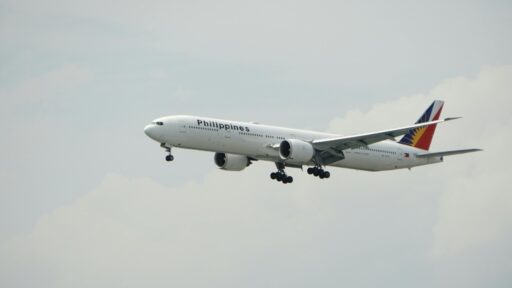
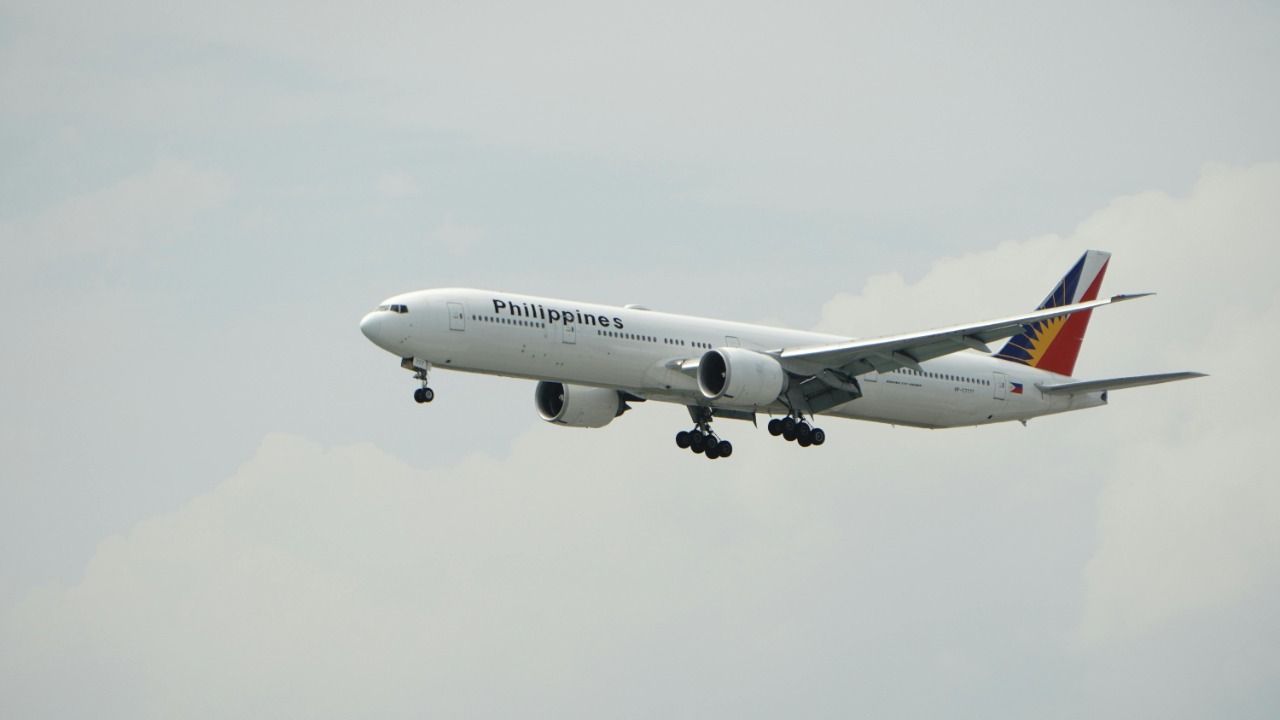

Philippine Airlines has launched what it calls the world’s first telenovela-style in-flight safety video, turning routine safety instructions into a serialized drama that mirrors the emotional pull of Filipino teleseryes. Branded as a “Safety Novela” and created with the advertising agency BBDO Guerrero, the production debuted at the Metro Manila Film Festival before rolling out on board, signaling a deliberate shift toward story-driven safety communication. By fusing high-stakes narrative with mandatory safety briefings, the flag carrier is betting that passengers will watch more closely and remember more clearly.
The Telenovela Concept
The new video, titled “Safety Novela,” borrows heavily from the familiar grammar of Philippine telenovelas, using heightened emotions, interpersonal conflict and cliffhanger-style beats to deliver instructions that would usually be presented in a neutral tone. According to aviation-focused coverage, standard procedures such as fastening seatbelts, stowing baggage and identifying emergency exits are woven into the plot as turning points in the characters’ relationships, so that each safety cue doubles as a dramatic reveal. For passengers who might otherwise tune out a conventional briefing, the familiar rhythm of a teleserye is designed to feel instantly recognizable and harder to ignore.
Instead of a uniformed crew member reciting instructions to camera, the “Safety Novela” uses scripted scenes to show how characters respond when the seatbelt sign comes on, when oxygen masks deploy or when a life vest is needed, with the narrative pausing just long enough to clarify the correct behavior. Reporting on the project notes that the video channels the “core” of Filipino teleseryes, which means lingering on emotional stakes while still hitting every regulatory requirement for safety content. For Philippine Airlines, the implication is that safety messaging can be culturally specific without compromising accuracy, and that a format rooted in local storytelling traditions may improve both attention and recall among domestic and international travelers who associate the Philippines with its television dramas.
Collaboration with BBDO Guerrero
The carrier partnered with BBDO Guerrero to develop the concept and execution, tasking the agency with turning a checklist of aviation rules into a cohesive story arc. As detailed in campaign reports, BBDO Guerrero approached the brief by leaning into the melodramatic style that has long defined Filipino primetime, from lingering close-ups to dramatic confrontations that naturally lead into safety demonstrations. The creative team had to ensure that every mandated instruction, from brace positions to exit path lighting, appeared on screen in a way that regulators would approve, while still feeling like an organic part of the story rather than an interruption.
Accounts of the collaboration emphasize that cultural resonance was a central objective, with the agency drawing on the country’s deep affection for teleseryes to make the video feel less like a lecture and more like entertainment. Coverage in lifestyle and culture outlets notes that the production “channeled” the essence of local soap operas, a choice that signals how seriously the airline and its agency treat the link between culture and safety communication. By embedding aviation rules inside a genre that Filipino audiences already follow nightly, the partners are betting that passengers will not only watch the video once but may also talk about it, share clips and reinforce the safety messages beyond the cabin, which could influence how other airlines think about creative risk in regulatory content.
Debut at MMFF and Initial Rollout
Before appearing on aircraft screens, the “Safety Novela” premiered at the Metro Manila Film Festival, a high-profile showcase for local cinema that draws large, diverse audiences. According to campaign coverage, Philippine Airlines used the festival debut to position the video as both a piece of entertainment and a functional safety tool, aligning it with the event’s cinematic atmosphere rather than treating it as a purely corporate announcement. By unveiling the project in a theater setting, the airline could gauge audience reactions in real time, test whether key instructions landed clearly and generate early buzz before the content became part of the standard pre-flight routine.
Following the MMFF screening, the video began its phased rollout on Philippine Airlines flights, replacing more traditional static or instructional safety videos on selected routes. Reporting on the deployment notes that the shift to a story-driven format reflects a broader strategy to modernize passenger engagement, particularly at a time when travelers are accustomed to streaming platforms and short-form video. For the airline, integrating the “Safety Novela” into regular operations is not only a branding move but also a live test of whether narrative techniques can sustain attention across multiple viewings, which is crucial for frequent flyers who might otherwise ignore repeated safety briefings.
Passenger Impact and Attention-Grabbing Design
Early reactions highlighted in local coverage suggest that the telenovela framing is succeeding at one of its primary goals, which is to keep eyes on the screen during the safety demonstration. A feature on how the video works notes that the structure and pacing easily catch attention, with dramatic beats arriving just as key instructions are delivered, so that viewers are emotionally invested at the same moment they are told what to do in an emergency. For cabin crew, that heightened engagement could translate into better compliance with basic rules, from properly fastened seatbelts to clear aisles, which in turn affects both safety outcomes and operational efficiency.
Beyond the immediate cabin environment, cultural commentators have pointed out that the “Safety Novela” has the potential to travel far beyond the aircraft through social media clips and word of mouth. Lifestyle reporting on the project notes that the airline has effectively turned a regulatory requirement into shareable content, with the teleserye format encouraging viewers to discuss favorite scenes or characters while still absorbing the underlying safety messages. By designing the video to resonate with fans of Filipino dramas, Philippine Airlines is positioning itself as an innovator in experiential aviation content, and if the approach proves successful, it may influence how other carriers think about blending entertainment with critical instructions in ways that respect both culture and safety.
Tapping Filipino Teleserye Culture
Cultural analysis of the project underscores how deeply the “Safety Novela” draws from the tropes that have made Filipino teleseryes a staple of daily life, from multi-generational family conflicts to romantic tension heightened by sudden twists. A detailed look at the production explains that Philippine Airlines and its creative partners intentionally channeled teleserye core elements, using familiar archetypes and emotional cues to make safety instructions feel less abstract and more personally relevant. For passengers who grew up with these shows, seeing safety rules framed through characters who resemble those on primetime television can make the information feel closer to home, which is critical when those rules may need to be recalled under stress.
At the same time, the project illustrates how national carriers can use cultural storytelling to differentiate themselves in a crowded aviation market, particularly in a region where low-cost and full-service airlines compete aggressively for attention. By leaning into a distinctly Filipino narrative style rather than a generic global template, Philippine Airlines is signaling that it sees cultural identity as an asset in shaping passenger experience, not just in marketing campaigns but in core operational touchpoints like safety briefings. If the “Safety Novela” succeeds in both entertaining and educating, it could encourage other airlines to experiment with formats rooted in their own cultures, provided they can maintain the balance between creative expression and the strict accuracy that aviation safety demands.