
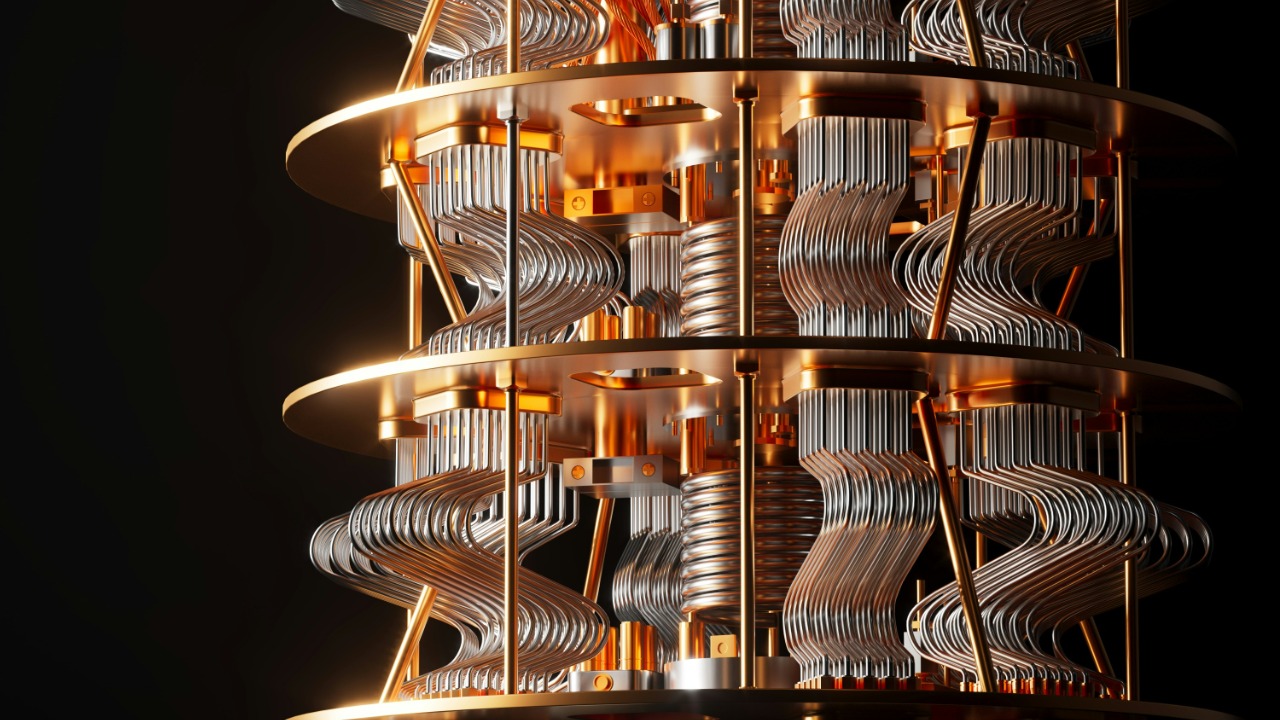

Engineers have presented a radical computing concept that removes keyboards and screens entirely, concentrating instead on raw processing capability in a compact form factor. By stripping away conventional input and display hardware, the system is framed as a platform for “unparalleled computing power” that could reshape how high-performance machines are deployed in constrained or hands-free environments. Early demonstrations, as described in reporting on no keyboards or screens, just unparalleled computing power, point to a design that treats human interaction as secondary to throughput, a choice that carries significant implications for accessibility, cost, and industrial use.
The Core Innovation
The central innovation lies in the deliberate decision to eliminate physical keyboards and screens so that the device can dedicate more of its footprint, power budget, and engineering complexity to computation rather than user-facing hardware. According to the description of a system built around “no keyboards or screens, just unparalleled computing power,” the designers treat traditional peripherals as optional accessories rather than integral components, which allows the core unit to remain compact and focused on processing. That shift in priorities reflects a broader trend in high-performance and embedded computing, where the most valuable machines are often those that can be tucked away in racks, vehicles, or instruments and left to run intensive workloads without constant human supervision.
By avoiding integrated displays and mechanical input devices, the platform also sidesteps some of the durability and maintenance issues that plague field-deployed computers, such as cracked screens, worn key switches, or dust ingress through openings. The reporting on a keyboard‑ and screen‑free system emphasizes that the hardware is conceived as a sealed, high-density compute block, which can be mounted close to sensors, actuators, or network backbones instead of on a desk. In practice, that kind of design could reduce downtime in industrial settings, lower replacement costs for fragile components, and enable more flexible placement in environments where a conventional workstation would be impractical.
Development Timeline and Milestones
The project’s trajectory, as outlined in coverage of a device marketed around “no keyboards or screens, just unparalleled computing power,” traces back to research and development efforts that sought to minimize dependence on built-in input and output. Earlier iterations reportedly experimented with minimal displays or basic status indicators, but the latest design removes even those concessions in favor of a purist approach to compute density. That evolution mirrors a broader shift in hardware labs, where teams have moved from shrinking laptops to rethinking the very idea of what a computer needs to include, prioritizing modularity so that interaction hardware can be added only when and where it is truly required.
Along the way, engineers appear to have treated power management as a critical milestone, since a machine that runs at very high performance without user interfaces must still operate within realistic thermal and energy envelopes. The reporting on this interface‑free system highlights its positioning as a platform that can sustain heavy workloads without the overhead of powering large displays or complex input subsystems, which can be significant energy draws in traditional designs. That focus on efficiency is not just a technical curiosity; it directly affects how long such a device can run in remote installations, how densely it can be packed into data closets or mobile platforms, and how attractive it becomes to organizations that are trying to cut both energy costs and carbon footprints.
Stakeholder Impacts: Users and Industries
The absence of built-in keyboards and screens has clear consequences for professionals in high-stakes fields such as medicine and aviation, where hands-free or minimally intrusive computing can be a major advantage. In clinical environments, for example, a compact compute unit that can be tucked behind imaging equipment or integrated into surgical tools could provide substantial processing power without adding clutter to already crowded workspaces. Reporting that frames the device as offering “unparalleled computing power” without conventional interfaces suggests that hospitals or air traffic control centers could offload intensive analytics, simulation, or monitoring tasks to these units, while staff interact through existing consoles, voice systems, or specialized controls that are already part of their workflows.
Developers and end-users with disabilities also stand to be affected by a design that does not assume a keyboard or screen as the default mode of interaction. Because the core system is agnostic about how commands reach it or how results are presented, organizations can pair it with assistive technologies that match specific needs, such as alternative input devices, tactile interfaces, or audio-based feedback. The coverage of a keyboard‑ and screen‑free computing block underscores that this modularity could lower barriers for people who find traditional peripherals difficult or impossible to use, while at the same time encouraging software makers to think more carefully about accessibility from the outset rather than treating it as an afterthought.
Future Implications and Challenges
Looking ahead, the concept of a powerful computer that ships without any integrated keyboard or display raises questions about how such systems might filter into consumer and prosumer markets. The reporting that highlights “no keyboards or screens, just unparalleled computing power” positions the device primarily as a high-performance engine, yet the same philosophy could influence compact home servers, smart home hubs, or edge devices that sit quietly in the background. If manufacturers embrace this approach, households might rely more on distributed compute nodes that are controlled through phones, wearables, or voice assistants, rather than a single visible PC that anchors all digital activity.
At the same time, the lack of direct interfaces introduces challenges around security, standardization, and user trust, since configuration and oversight must occur through networks or external controllers. The description of a sealed, interface‑free compute unit implies that administrators will depend heavily on remote management tools, which heightens the stakes for robust authentication, encryption, and fail-safe recovery mechanisms. In my view, the long-term impact of such designs will hinge on whether industry groups can agree on interoperable protocols and whether regulators, enterprises, and consumers are comfortable delegating critical tasks to machines that are powerful yet largely invisible, humming away without the familiar reassurance of a keyboard under the fingers or a screen in view.