
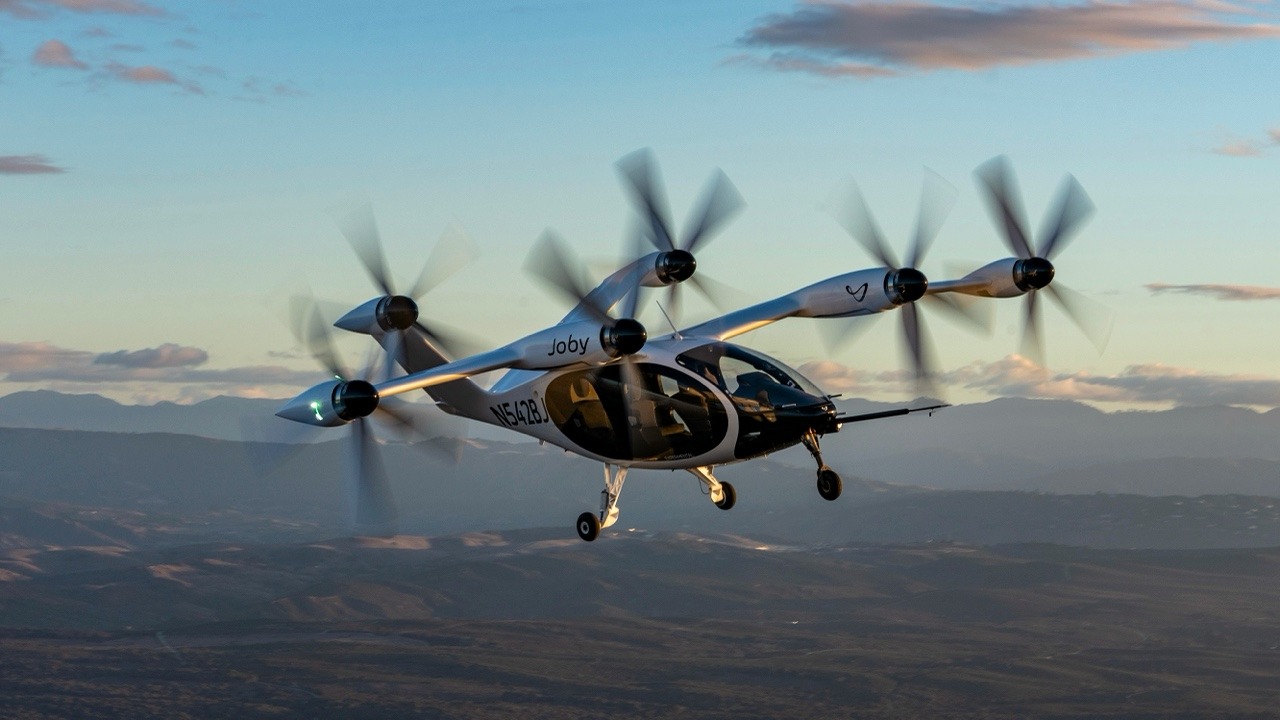

Joby Aviation has acquired a new manufacturing facility in Ohio to accelerate its production ramp-up for electric air taxis, marking a decisive shift from experimental builds to industrial-scale output. The move positions the company to scale operations as urban air mobility gains momentum and regulators refine pathways for certifying electric vertical takeoff and landing aircraft.
The Ohio acquisition builds on Joby Aviation’s ongoing efforts to move beyond prototyping and into full-scale manufacturing, aligning its factory footprint with ambitious timelines for certification and commercialization of its eVTOL fleet. By locking in additional capacity now, the company is signaling to investors, regulators, and prospective customers that it intends to be among the first to operate electric air taxis at meaningful scale.
Background on Joby’s Expansion Strategy
Joby Aviation has spent years focused on developing electric vertical takeoff and landing aircraft, refining a design that combines helicopter-style flexibility with the efficiency of fixed-wing flight. That engineering work has been supported by early manufacturing and test facilities in California, which were sized for prototyping, flight testing, and low-rate initial builds rather than mass production. As the company has advanced its aircraft through the Federal Aviation Administration’s certification process, the limitations of a primarily California-based footprint have become more apparent, particularly for meeting aggressive commercialization targets.
Earlier facilities in California have been central to Joby’s early milestones, but they were never intended to carry the full weight of volume manufacturing needed for a global air taxi service. The company’s expansion strategy has therefore centered on adding new sites that can support higher throughput while staying aligned with FAA certification goals and the staged introduction of commercial services. Partnerships with major players such as Uber and Toyota, referenced in Joby’s strategic communications and highlighted in coverage of its growth plans, underscore why the company is now prioritizing scalable production capacity ahead of planned 2025 commercial launches, since those partners expect reliable delivery schedules and consistent aircraft quality.
Details of the Ohio Facility Acquisition
The newly acquired Ohio manufacturing facility is explicitly intended to support Joby’s production ramp-up, giving the company a site that can be configured around efficient eVTOL assembly lines rather than retrofitted from a research-focused layout. According to reporting on the transaction, Joby acquires Ohio manufacturing facility to support production ramp up as it prepares to transition from low-rate builds to a more industrialized process. By securing this facility, Joby gains room to standardize workflows, integrate advanced automation where it makes sense, and co-locate key subassembly operations that were previously spread across multiple locations.
Location is a central part of the rationale. The Ohio site places Joby within reach of a skilled aerospace and advanced manufacturing workforce, drawing on a regional talent pool that has supported aircraft, automotive, and component production for decades. The Midwest setting also offers supply chain advantages, including proximity to established suppliers of composites, avionics, and precision-machined parts, which can reduce logistics costs and shorten lead times. Reporting on the acquisition notes that Joby expects the facility to create jobs and boost local economies, with a commitment to bring the plant into operational use by early 2024, a timeline that signals urgency in aligning physical capacity with the company’s certification and commercialization roadmap.
Impact on Production and Stakeholders
Operationalizing the Ohio facility is expected to mark a shift from low-rate to high-volume production, a transition that is critical for any aerospace manufacturer moving from prototype to product. By dedicating the site to eVTOL assembly, Joby can streamline the flow of components, reduce bottlenecks, and standardize quality control processes that are harder to maintain in smaller, more fragmented facilities. The result should be shorter lead times for both components and final aircraft, which is essential if Joby is to meet internal targets and external commitments tied to its planned 2025 commercial launches.
The production ramp has direct implications for investors, partners, and early customers. Joby has existing contracts with the U.S. Air Force, and the Ohio facility is expected to help accelerate delivery of aircraft under those agreements by providing additional capacity and redundancy. For partners such as Uber and Toyota, the new site signals that Joby is serious about building a supply base and manufacturing footprint that can support a scalable urban air mobility network rather than a niche demonstration program. Environmental and regulatory considerations are also central: the facility is being integrated into Joby’s broader zero-emission goals, supporting the production of electric aircraft that emit no in-flight carbon at the point of use, while the company continues to align its manufacturing practices with evolving eVTOL standards and FAA oversight of new production lines.
Future Outlook and Next Steps
Looking ahead, Joby has framed the Ohio facility as a cornerstone of its plan to move from pilot-scale output to meaningful fleet production. Company targets envision the capability to produce up to 500 aircraft annually by the late 2020s, a level that would represent a significant expansion from the limited runs possible in its earlier California-focused setup. The Ohio site is expected to contribute a substantial share of that capacity, particularly as Joby refines its assembly processes and integrates lessons learned from initial production runs into a more mature manufacturing system.
To reach those goals, Joby is already engaged in hiring and infrastructure upgrades at the Ohio location, preparing the plant for full operations in line with its early 2024 integration commitment. The company’s decision to invest in this facility also signals the potential for further expansions in the region, positioning Ohio as a hub for Joby’s North American manufacturing footprint if demand for its electric air taxis grows as anticipated. For state and local stakeholders, that prospect raises the stakes of supporting workforce development, infrastructure, and regulatory coordination that can help anchor a new segment of the aerospace industry in the Midwest.