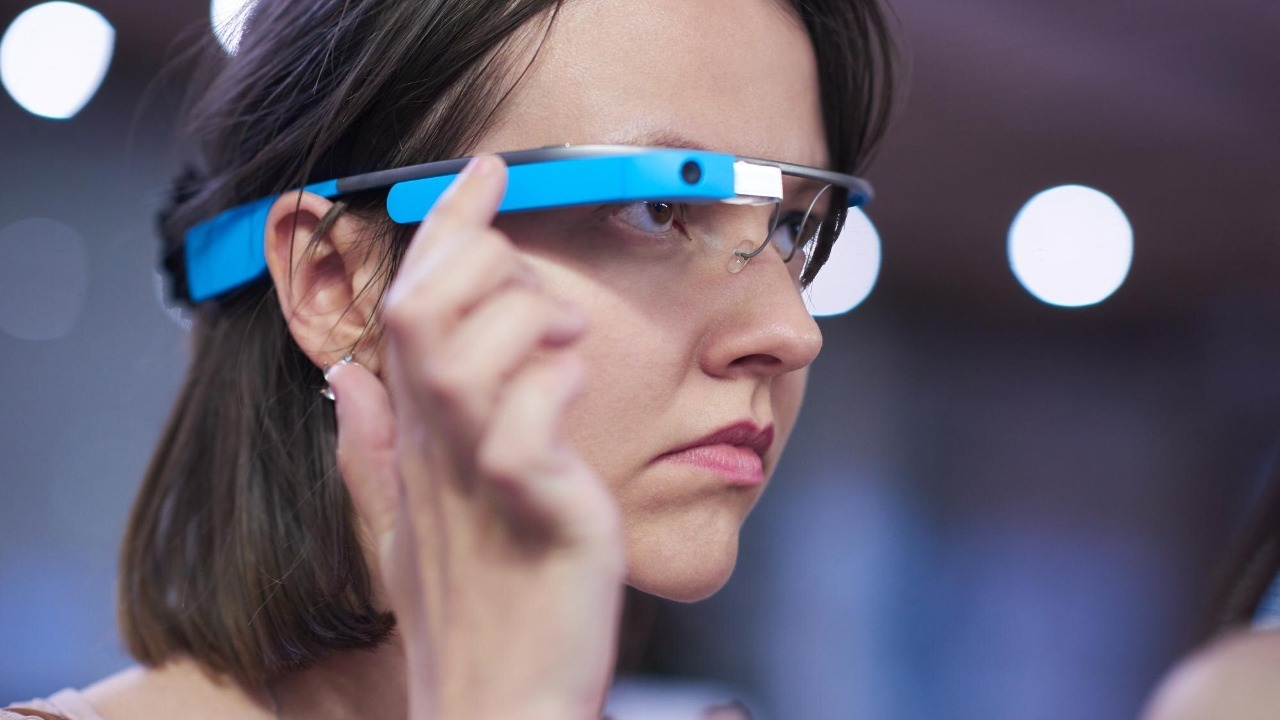

Finnish startup IXI has unveiled autofocus glasses capable of changing their lenses in real time to address vision challenges dynamically. Based in Finland, the company positions these smart autofocus glasses as a potential game-changer for everyday vision correction and augmented experiences. The innovation builds on recent advancements in wearable optics, promising seamless adaptation without traditional fixed prescriptions.
The Origins of IXI
IXI emerged in Helsinki as a Finnish startup focused on innovative eyewear solutions that treat glasses as adaptive devices rather than static medical aids. From the outset, its mission has been to revolutionize vision technology by embedding active optics and electronics into frames that still resemble familiar everyday eyewear. The company framed its early work around a simple question with complex engineering implications: how to let a single pair of lenses handle near, intermediate, and distance vision without the compromises of bifocals or progressive lenses.
Early development milestones centered on prototypes that could adjust focus in real time, using compact electronics to sense where a wearer was looking and how far away an object was. Those first test units, built in collaboration with Finnish optical engineers and academic partners in Helsinki, laid the groundwork for the current autofocus system by proving that rapid lens adjustment could be achieved in a form factor close to conventional frames. For patients and clinicians, those prototypes signaled that dynamic, software-controlled vision correction might soon move from research labs into everyday life.
Breakthrough in Autofocus Technology
The core of IXI’s breakthrough is a lens system that can change focus in real time, using adaptive optics that respond to the wearer’s needs as they shift their gaze. According to technical descriptions of the company’s work on “autofocus” glasses that can change their lenses in real time, the frames integrate a thin, electronically controlled layer that alters optical power almost instantly. Instead of swapping between fixed prescriptions, the glasses modulate the lens profile so that text on a smartphone, a laptop screen, and a distant road sign can all appear sharp without manual adjustment.
IXI’s prototype demonstrations highlight response times under one second, a threshold that is crucial for comfort because any noticeable lag between eye movement and lens adjustment would be disorienting. The company presents the system as compatible with a wide range of prescription needs, so users with mild or more complex refractive errors can, in principle, rely on a single pair of autofocus glasses. By pairing the adaptive optics with AI-driven calibration that learns from each wearer’s habits, IXI aims to improve accuracy over prior static lens designs and reduce the trial-and-error fitting process that often frustrates people receiving new prescriptions.
Potential Impacts on Users and Industries
For people with presbyopia, the age-related loss of near focusing ability, IXI’s approach is pitched as a non-invasive alternative to surgery or bifocals. Reporting on how IXI’s smart autofocus glasses could change how we see the world describes the product as a way to move beyond visible segment lines and the narrow “sweet spots” of progressive lenses, giving wearers a more natural field of view that adjusts automatically as they shift tasks. By reducing the need to tilt the head or hunt for the right part of the lens, the glasses could ease eye strain and neck discomfort that often accompany traditional multifocal solutions.
Beyond everyday users, the technology has clear implications for augmented reality and professional fields where real-time focus can enhance performance. In medicine, surgeons and interventional radiologists could benefit from eyewear that keeps both instruments and monitors in crisp focus as they alternate their gaze, while in aviation, pilots might gain sharper transitions between cockpit instruments and the horizon. Early beta testers cited in coverage of IXI’s smart autofocus glasses have offered positive feedback that suggests the product is moving from conceptual prototype to viable consumer device, a shift that could influence how other wearable makers integrate adaptive optics into headsets and smart glasses.
Challenges and Next Steps
Despite the promise, IXI still faces significant hurdles before autofocus glasses can reach mass-market scale. Battery life remains a central constraint, since the lenses, sensors, and onboard processing all draw power that must be delivered in a lightweight, unobtrusive package. Cost is another barrier, with the advanced optics and electronics likely to push early units into premium price ranges that limit accessibility, so the company is working on refining its manufacturing processes to bring per-unit expenses down as volumes increase.
Regulation and clinical validation will shape the next phase of IXI’s rollout, particularly in Europe, where the company is pursuing CE marking for medical device classification in Finland and other markets. Plans described around upcoming timelines include 2024 clinical trials designed to document safety, effectiveness, and user satisfaction, along with crowdfunding campaigns intended to accelerate a global launch and gauge demand across different age groups and prescription profiles. If those efforts succeed, IXI’s autofocus glasses could help redefine expectations for prescription eyewear, turning glasses into adaptive platforms that blend medical function with digital intelligence.