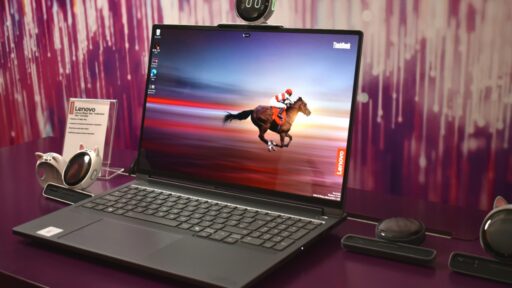
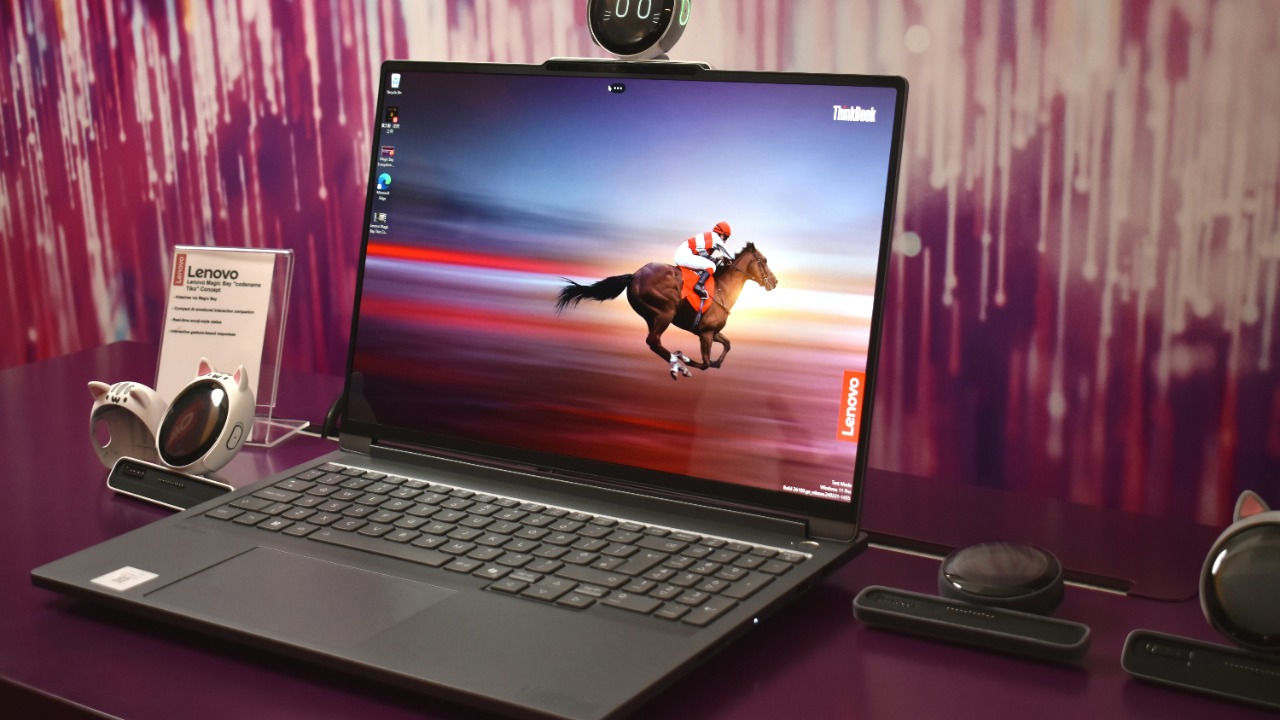

Lenovo is set to use CES 2026 to spotlight a new wave of smarter AI and purposeful business innovation, positioning its latest PCs and services as engines for enterprise transformation. The company is centering its message on how integrated AI tools can move beyond pilots and proofs of concept to reshape day to day workflows for business users. New ThinkPad and ThinkBook devices will debut as the hardware backbone of this strategy, building on previous generations with AI tuned for productivity, security, and hybrid work.
AI-Driven Business Transformations
Lenovo is framing its presence at CES 2026 as “Smarter AI Meets Purposeful Business Innovation”, a theme that signals a shift from experimental features to AI that is embedded across devices, software, and services. The company is emphasizing integrated AI engines that can automate routine tasks, surface insights from corporate data, and personalize system behavior for each employee, all while remaining manageable at scale for IT departments. By tying AI directly to business outcomes such as faster decision making and reduced support overhead, Lenovo is clearly targeting CIOs and line of business leaders who have been under pressure to prove tangible returns on AI investments.
Compared with earlier cycles where AI often appeared as isolated utilities, Lenovo is now presenting AI as a fabric that runs through endpoint devices, management consoles, and cloud services. The focus on purposeful innovation means features are being described in terms of real time business challenges, such as securing remote endpoints, standardizing collaboration experiences, and supporting regulated industries that must keep sensitive workloads on device. For stakeholders like IT managers, the stakes are high, because a more unified AI stack can simplify deployment and policy control, but it also raises expectations that Lenovo will deliver consistent performance, transparent governance, and clear upgrade paths across its portfolio.
New ThinkPad Innovations
The refreshed ThinkPad models that Lenovo is unveiling at CES 2026: New ThinkPad and ThinkBook devices are on the way are being positioned as the company’s flagship AI workhorses for enterprise customers. Lenovo is pairing updated processors and graphics with dedicated AI acceleration, aligning the hardware with its smarter AI narrative so that features like live transcription, background noise suppression, and intelligent camera framing can run efficiently on device. That combination of silicon and software is designed to improve collaboration quality in platforms such as Microsoft Teams and Zoom, while also reducing the bandwidth and cloud dependency that can frustrate remote workers.
Lenovo is also highlighting durability and connectivity improvements as key differentiators from the 2025 ThinkPad generation, signaling that these machines are meant to withstand constant travel and always on connectivity demands. Extended battery life is a central promise, with AI driven power management expected to adapt performance profiles to the user’s patterns, for example by throttling background processes during video calls or prioritizing local applications when network conditions degrade. For business users, those changes translate into fewer interruptions, longer stretches away from power outlets, and a more predictable experience across home, office, and in transit environments, which in turn can reduce support tickets and device downtime for IT teams.
ThinkBook Updates for Modern Workforces
Alongside the ThinkPad refresh, Lenovo is rolling out a new ThinkBook lineup tailored to hybrid professionals who want premium features without the traditional enterprise aesthetic. The ThinkBook devices described in the CES 2026 preview are framed as tools for modern workforces that blend office tasks with creative projects, with AI features tuned for content creation, presentation design, and multitasking across multiple displays. Design changes are a major talking point, with slimmer profiles, refined hinges, and more flexible port layouts that aim to fit into hot desking setups and home offices where space and cable management are at a premium.
Lenovo is also using the ThinkBook family to showcase its push into sustainable materials and energy efficient components, a shift that differentiates these systems from previous iterations that focused more narrowly on specs and price. By incorporating recycled materials and optimizing power consumption through AI assisted performance tuning, the company is appealing to small businesses and independent creators that increasingly factor environmental impact into purchasing decisions. For these stakeholders, the ability to scale quickly with devices that are both capable and visibly aligned with sustainability goals can be a competitive advantage when bidding for clients or attracting talent that prioritizes responsible technology choices.
Broader Implications for Enterprise Adoption
Lenovo’s CES 2026 portfolio, anchored by its smarter AI and purposeful business innovation message, has clear implications for sectors such as healthcare, finance, and professional services that are under pressure to modernize securely. By emphasizing faster processing, on device AI workloads, and consistent management frameworks across ThinkPad and ThinkBook ecosystems, Lenovo is positioning its hardware as a foundation for regulated industries that must balance innovation with compliance. Ethical AI frameworks are part of that story, with the company signaling that transparency, data protection, and controllable automation are not optional extras but core design principles for its new generation of devices and services.
For stakeholders evaluating return on investment, the potential upside lies in consolidating around a platform where AI features, security controls, and lifecycle services are tightly integrated, reducing the need for piecemeal add ons and custom integrations. Companies that adopt the new ThinkPad and ThinkBook systems as standard issue endpoints could see gains in employee productivity, lower support costs, and more consistent user experiences across global teams, particularly in hybrid and remote first organizations. At the same time, the breadth of Lenovo’s CES 2026 announcements raises expectations that the company will sustain rapid update cycles and long term support, which will be critical for enterprises that plan multi year hardware refreshes and cannot afford fragmentation across their fleets.