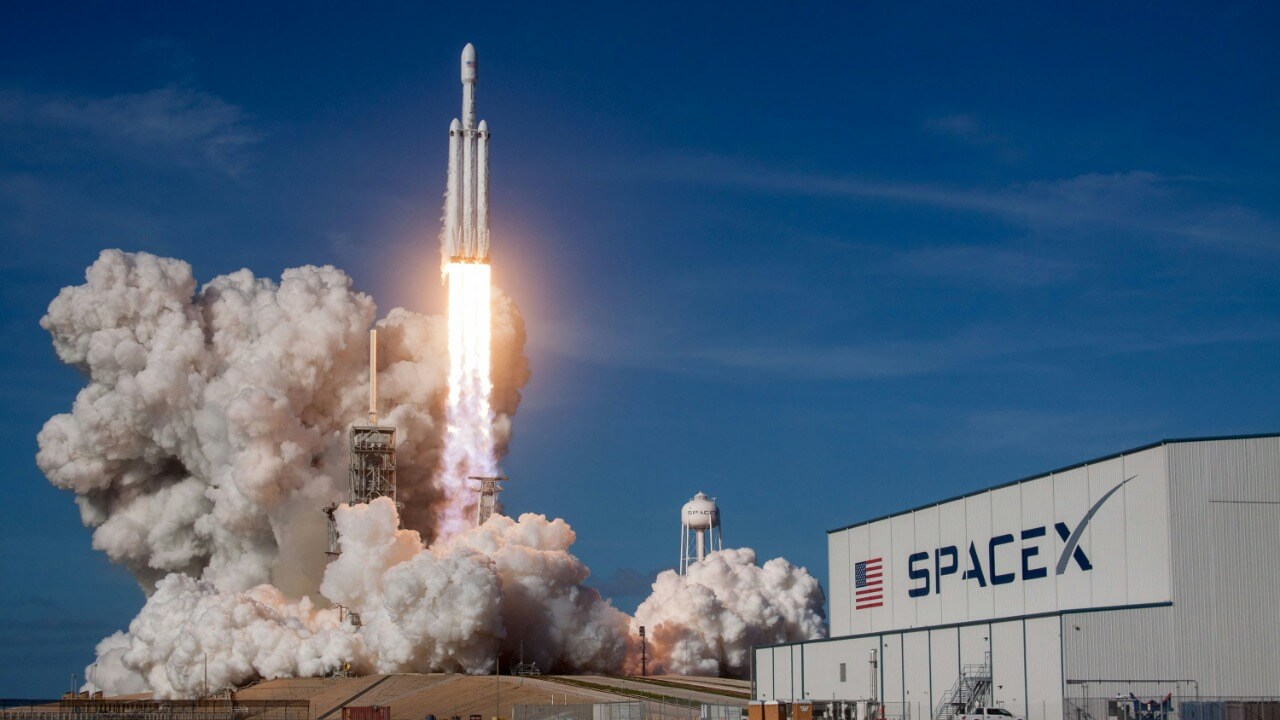

China’s LandSpace is positioning itself to challenge Elon Musk and SpaceX in the global space race, signaling a new phase in competition from Chinese private aerospace firms. The company is moving from a domestic launch provider into an explicit rival to SpaceX’s dominance, with a focus on reusable rockets and commercial satellite services. Its latest plans highlight how quickly China’s commercial space sector is evolving and how directly it now targets the market that Musk helped create.
LandSpace’s Strategic Positioning
LandSpace has framed its latest plans as a direct effort to take on Elon Musk and SpaceX, presenting itself as a Chinese answer to the reusable launch model that has reshaped the industry. According to reporting on how China’s LandSpace gears up to take on Elon Musk and SpaceX, company executives have set out an explicit goal of competing head to head with Musk’s firm in both technology and price, rather than remaining a niche player serving only domestic customers. That shift in tone matters for satellite operators and governments that have grown used to SpaceX as the default option for low cost, high cadence launches.
To support this ambition, LandSpace is gearing up through targeted preparations that mirror the integrated ecosystem Musk has built around SpaceX. Coverage of how China’s LandSpace gears up to challenge SpaceX describes the company aligning its rocket development, launch infrastructure, and customer outreach around a single objective, which is to erode SpaceX’s lead in reusable orbital launch. For stakeholders, that strategic clarity signals that LandSpace is not simply following national industrial policy but is trying to win international business on commercial terms, potentially reshaping pricing power in the launch market.
Recent Milestones in Development
LandSpace’s progression from early stage projects to active competition with SpaceX has accelerated, with recent milestones marking a clear break from its more tentative beginnings. Reporting on how China’s LandSpace gears up to take on Elon Musk and SpaceX notes that the company has moved from concept studies and subscale tests into a phase where it is preparing hardware and operations explicitly benchmarked against Falcon class vehicles. That change in pace signals to satellite operators that LandSpace is no longer a long term prospect but a near term entrant that could influence launch manifests and risk calculations.
Specific gearing up activities also point to compressed timelines compared with earlier expectations about when a Chinese private firm might seriously challenge SpaceX. Accounts of how China’s LandSpace gears up to challenge SpaceX describe the company pulling forward development targets, expanding test campaigns, and coordinating with launch site authorities to support higher flight rates. For global industry stakeholders, these steps suggest that competitive pressure on SpaceX’s schedule and pricing could arrive sooner than many procurement plans assumed, forcing a reassessment of multi year launch strategies.
Impact on Global Space Industry Stakeholders
LandSpace’s challenge is already shaping how Elon Musk and SpaceX must think about their operations and innovation priorities. Analysis of how China’s LandSpace gears up to take on Elon Musk and SpaceX emphasizes that Musk’s leadership in reusable rocket technology is no longer uncontested, with LandSpace explicitly targeting the same combination of rapid reflight and aggressive cost reduction. For SpaceX, that raises the stakes on maintaining technical margins in areas such as engine performance, turnaround time, and integration with Starlink, since any erosion of its perceived lead could encourage customers to test a Chinese alternative.
The broader implications for international competitors extend beyond a simple two way rivalry. Reporting that China’s LandSpace gears up to take on Elon Musk and SpaceX underscores that other launch providers in Europe, India, Japan, and emerging markets now face a landscape where both SpaceX and a Chinese private firm are racing to undercut legacy cost structures. As LandSpace ramps up to rival SpaceX’s ecosystem, traditional players that rely on government support and higher price points may find it harder to justify their economics, which could accelerate consolidation or push them toward specialized niches such as national security payloads or deep space missions.
Future Outlook and Competitive Edges
Looking ahead, LandSpace’s next steps in taking on Musk and SpaceX are likely to focus on maturing its reusable launch capabilities and converting technical progress into recurring commercial contracts. Coverage of how China’s LandSpace gears up to take on Elon Musk and SpaceX indicates that the company is positioning its upcoming rockets as direct alternatives to Falcon class vehicles, with an emphasis on reliability and turnaround that can satisfy both domestic and foreign satellite operators. If LandSpace can demonstrate consistent performance, it will not only validate China’s private space model but also give customers leverage in negotiations with SpaceX over launch windows and service terms.
Potential advantages for LandSpace in challenging SpaceX stem from both its strategic moves and its position within China’s broader industrial system. Reporting that China’s LandSpace gears up to challenge SpaceX highlights how the company can tap into national supply chains, supportive regulatory frameworks, and a growing domestic satellite market, which together can provide a stable base load of demand while it courts international clients. For the global space industry, that combination of state aligned resources and private sector agility could make LandSpace a uniquely resilient competitor, one that pushes launch prices lower and accelerates the shift toward reusable, high cadence access to orbit.