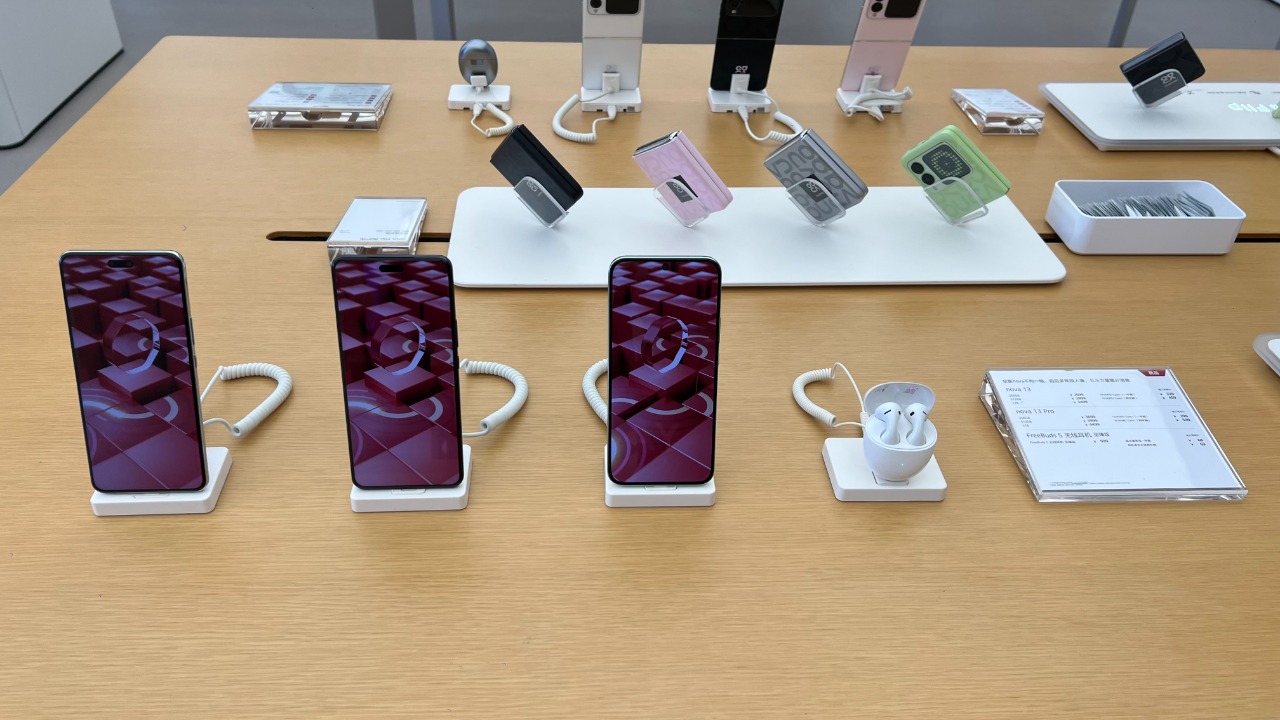

Huawei is preparing to ship its Nova 15 lineup with a new on-device AI assistant called Nova JIN, described by the company as an “AI friend” that is tightly woven into the phones’ interface and everyday features. At the same time, the Nova 15 phones are expected to deliver Mate-like chip performance, signaling a significant jump in hardware and AI capabilities for a series that has traditionally targeted the mid-range market.
What Nova JIN Is and How It Changes the Nova 15 Experience
Huawei is positioning Nova JIN as a branded AI companion created specifically for the Nova 15 series, with early details describing the feature as a new kind of “AI friend” that lives on the device rather than in the cloud. By giving the assistant a distinct name and tying it directly to the Nova branding, Huawei is signaling that Nova JIN is not just another background service but a central part of how users will navigate, search, and interact with their phones, according to the description of Huawei “introducing new AI friend for Nova 15 phones – Nova JIN” in early reporting on the Nova JIN feature. That framing suggests Huawei wants Nova JIN to be visible and memorable, in the same way that branded assistants like Siri or Google Assistant became shorthand for their respective ecosystems.
The choice of the phrase “AI friend” rather than simply “assistant” is also telling, because it implies a more conversational, personality-driven experience that aims to feel closer to a companion than a utilitarian tool. Reporting on Nova JIN stresses that Huawei is presenting it as an AI friend tailored to Nova 15 phones, which hints at deeper integration with the user interface, camera, messaging, and other core apps rather than a generic overlay that behaves the same on every device. For Nova 15 buyers, that kind of positioning raises expectations that the phone will not only respond to commands but also anticipate needs, streamline daily tasks, and potentially adapt to individual habits, which could make the device feel more personal and sticky over time.
AI Capabilities Backed by Mate-like Chip Performance
Alongside the new assistant, Huawei is preparing a major performance leap for the Nova 15 line, with the phones reported as being able to “offer Mate-like chip performance.” That claim, detailed in coverage of how Huawei Nova 15 phones can offer Mate-like chip performance, suggests that the processing capabilities typically reserved for the company’s Mate flagships are now being brought into a mid-range family. For users, Mate-like performance usually translates into faster app launches, smoother multitasking, and more headroom for demanding workloads such as gaming, 4K video recording, and real-time photo processing.
That hardware step up is particularly important for Nova JIN, because advanced AI features tend to be resource intensive when they run on-device. Huawei’s decision to pair an “AI friend” with Mate-like chip performance indicates that the company wants Nova JIN to operate locally, with enough processing power to handle conversational queries, context-aware suggestions, and possibly image or text analysis without constant reliance on remote servers. If the Nova 15 phones can sustain that level of performance, buyers could see faster responses, better privacy for sensitive tasks, and more reliable AI features in areas with weak connectivity, which would strengthen the case for choosing a Nova 15 over other mid-range Android options.
How Nova JIN Fits into Huawei’s Broader Device Strategy
By introducing Nova JIN as an “AI friend” that is specific to the Nova 15 series, Huawei is clearly extending its AI ambitions beyond the Mate line and into a broader slice of its portfolio. The branding described in the report on Huawei “introducing new AI friend for Nova 15 phones – Nova JIN” shows that the company is not treating AI as a niche flagship perk but as a defining feature for a wider audience of younger, style-conscious Nova buyers. That move aligns with a broader industry trend in which AI is becoming a core selling point across price tiers, rather than a premium add-on reserved for the most expensive models.
The expectation that Nova 15 phones can offer Mate-like chip performance also fits into a strategy of narrowing the gap between mid-range Nova devices and premium Mate phones. According to the reporting on how Nova 15 phones can offer Mate-like chip performance, Huawei is signaling that users who choose Nova will no longer have to accept a major performance compromise compared with Mate owners. If that parity holds in real-world use, it could shift some buyers who might have stretched their budgets for a Mate into the Nova camp instead, while also putting pressure on rival mid-range devices that still draw a clear line between their hardware and that of their flagship siblings.
What’s New Compared with Earlier Nova Generations
The introduction of Nova JIN as a named “AI friend” marks a clear break from earlier Nova generations, which did not feature a dedicated AI companion with its own branding. Previous Nova models leaned on system-level smart features and generic assistants, but they lacked a cohesive AI identity that users could point to as a signature capability. The new branding described in the coverage of Huawei introducing a new AI friend for Nova 15 phones, Nova JIN, indicates that Huawei wants the Nova 15 series to be recognized for its AI personality as much as for its hardware, which could help the phones stand out in a crowded field of similarly specced mid-range devices.
Performance expectations are also shifting. Earlier Nova generations were not described as offering Mate-like chip performance, and they typically sat a step or two below Huawei’s flagships in raw power and AI processing. The report that Nova 15 phones can offer Mate-like chip performance underscores how unusual it is for a Nova device to be framed in near-flagship terms, especially around the kind of processing muscle that underpins advanced AI workloads. For existing Nova users considering an upgrade, that combination of a named AI assistant and a performance profile that approaches the Mate line makes the Nova 15 series feel more like a premium option than its predecessors, potentially justifying a higher price point or a shorter upgrade cycle.
Implications for Nova 15 Buyers and the Mid-range Market
For prospective Nova 15 buyers, Nova JIN is likely to be marketed as a clear value-add, not just a background feature. The reporting that Huawei is “introducing new AI friend for Nova 15 phones – Nova JIN” emphasizes that the assistant is tailored to these phones, which suggests that some of its capabilities or interface elements may be exclusive to the Nova 15 family. If Huawei delivers on that promise, owners could gain access to AI-driven shortcuts, recommendations, and content creation tools that feel more integrated and polished than generic Android assistants, making the Nova 15 line more attractive to users who prioritize smart features and ease of use.
The claim that Nova 15 phones can offer Mate-like chip performance has broader implications for the mid-range market, because it raises the bar for what buyers can expect at this tier. Competitors that have relied on clear performance segmentation between their mid-range and flagship lines may find it harder to justify those gaps if Huawei is able to deliver flagship-adjacent performance in a Nova-branded device. By tying Nova JIN directly to that Mate-like performance, Huawei is effectively arguing that AI-forward experiences and strong hardware no longer have to be confined to the very top of the price ladder, a message that could resonate with cost-conscious consumers and push other manufacturers to accelerate their own AI and performance roadmaps in the mid-range segment.