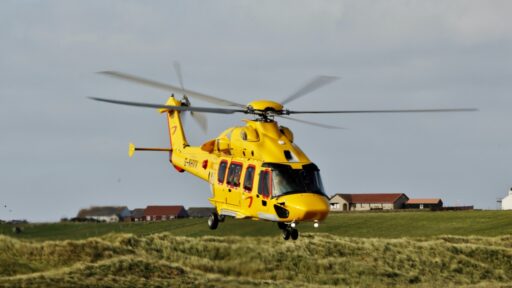
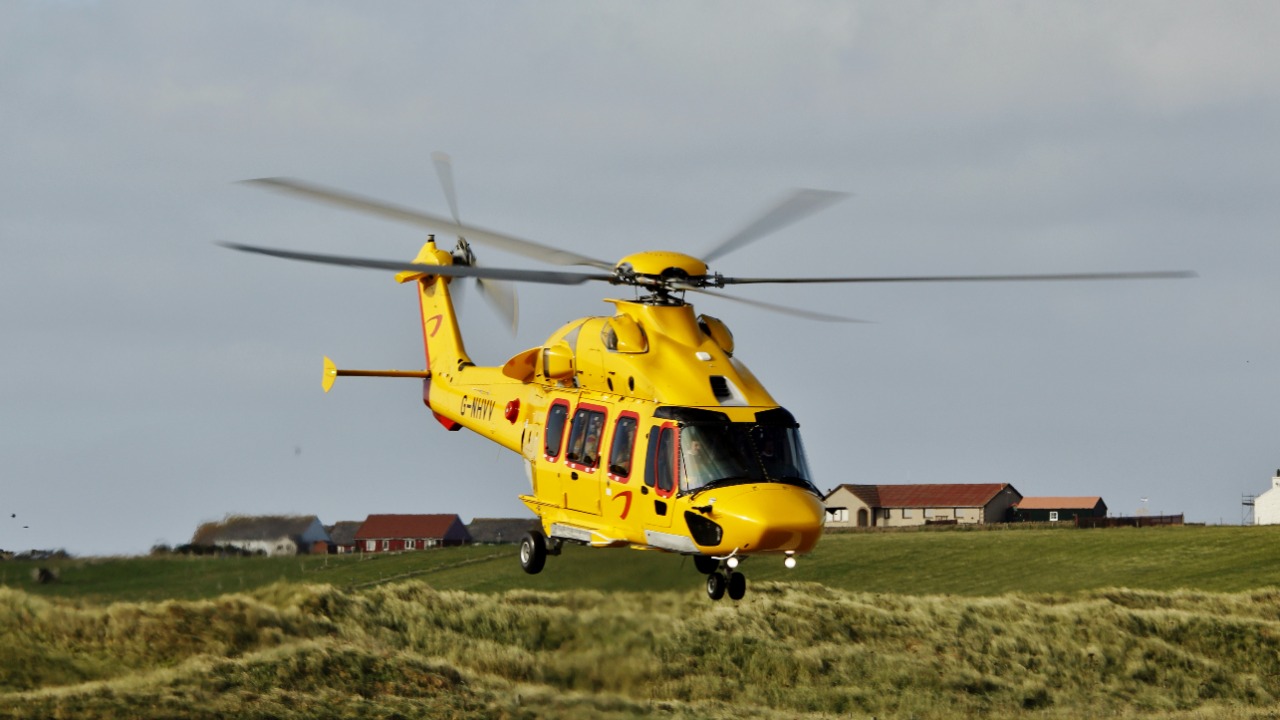

Spain’s Ministry of Defence has approved a €5 billion, or about $5.3 billion, “mega‑order” for 100 new Airbus helicopters to be shared across the army, air force and navy as part of a sweeping national modernization drive. The multi‑service fleet renewal, carried out under the National Helicopter Plan and confirmed by both Airbus and the Spanish government, is being described as one of the largest rotary‑wing procurements in the country’s history and a major defence upgrade for Spain.
Scope and structure of the 100-helicopter order
The Spanish Ministry of Defence has placed a firm order for 100 Airbus helicopters, a scale that immediately sets the program apart from earlier, more incremental acquisitions. In its official announcement, Airbus framed the contract as a clear, binding commitment by Madrid to refresh a substantial portion of its rotary‑wing inventory in a single, coordinated package, rather than through scattered purchases that can leave fleets fragmented and harder to sustain over time.
According to reporting on the deal, the 100 helicopters will be distributed across the Spanish army, air force and navy, creating a shared pool of new aircraft that can be tailored to each service’s operational needs while still benefiting from common training and maintenance concepts. Coverage of the agreement highlights that the purchase is being presented as a “major defence upgrade” for Spain, a characterization that reflects both the size of the order and its role in replacing aging platforms that have been increasingly costly to keep in service.
National Helicopter Plan and modernization objectives
The acquisition is being carried out under Spain’s National Helicopter Plan, a long‑term framework that sets out how the country intends to rationalize and modernize its rotary‑wing fleets across all branches of the armed forces. Reporting on the plan explains that it is designed to reduce the number of different helicopter types in service, streamline logistics and training pipelines, and align new purchases with evolving mission requirements such as rapid troop transport, maritime security and search and rescue.
Coverage of the order stresses that it forms part of a broader national modernization plan, with the helicopter package positioned as a central pillar of that effort rather than a stand‑alone procurement. Analysts quoted in the reporting describe the deal as a key step in Spain’s long‑term defence modernization, noting that a unified helicopter strategy can improve readiness, cut lifecycle costs and make it easier for Spain to integrate with allied forces in joint operations, particularly within NATO frameworks where interoperability and common platforms are increasingly prized.
Financial scale and industrial impact
The Spanish government has approved a roughly €5 billion, or about $5.3 billion, mega‑order for the 100 helicopters, a financial commitment that underscores how central the program is to Madrid’s defence priorities. As detailed in coverage of the decision, the size of the package reflects not only the cost of the aircraft themselves but also associated training, support and infrastructure investments that will be needed to bring the new fleet into full operational service across three branches.
Reporting on the contract describes the purchase as a major deal for Airbus in the defence aerospace sector, reinforcing the company’s position as a key supplier of military helicopters in Europe and beyond. In its own communications, Airbus has formally confirmed receipt of the order in an official press release, signaling that the agreement has moved beyond preliminary discussions into a concrete program that will feed into the manufacturer’s production planning, sustain high‑skilled jobs and potentially open the door to further industrial cooperation with Spanish industry over the life of the National Helicopter Plan.
Operational roles across army, air force and navy
Accounts of the agreement underline that the helicopters are intended for use by all three branches of the Spanish armed forces, with the army, air force and navy each slated to receive aircraft configured for their specific mission sets. For the army, the new helicopters are expected to support tasks such as tactical troop transport, medical evacuation and liaison missions, while the air force is likely to prioritize search and rescue, special operations support and strategic transport roles, and the navy will focus on maritime patrol, anti‑surface and anti‑submarine warfare support, and shipborne operations.
Reporting on the deal frames the order as enhancing Spain’s rotary‑wing capabilities for a wide range of missions, from domestic disaster response to international deployments alongside allies. Airbus has highlighted the multi‑service nature of the order in its announcement, presenting the shared fleet as central to the modernization effort because it allows Spain to standardize training, share spare parts and maintenance expertise, and more easily reassign aircraft between services as operational demands shift, which in turn can improve overall flexibility and resilience in crisis situations.
Timeline, implementation and what’s changed
Coverage of the National Helicopter Plan explains that the new order represents a concrete implementation step, moving Spain from conceptual planning to contracted procurement under its helicopter modernization strategy. Earlier phases of the plan focused on defining requirements, assessing existing fleets and mapping out how to transition away from older platforms, while the 100‑aircraft commitment marks the point at which those plans are being translated into production slots, delivery schedules and detailed integration work for each service.
Reporting on the decision stresses that the 100‑aircraft package represents a significant scaling‑up compared with earlier incremental fleet updates, which tended to involve smaller batches of helicopters acquired over longer periods. Analysis of the move notes that the government’s approval of the €5 billion funding package is a recent decision that effectively unlocks the resources needed to set the program in motion, allowing Spain to negotiate delivery timelines, coordinate infrastructure upgrades at bases and shipyards, and begin the complex process of phasing in new aircraft while maintaining operational readiness with existing fleets.
Strategic context and regional implications
In the broader strategic context, the decision to place a single, large order for 100 helicopters under a unified National Helicopter Plan signals that Spain is seeking to align its defence posture with a more integrated, long‑horizon approach to capability development. Analysts cited in coverage of the deal point out that such a move can help Spain respond more effectively to a spectrum of security challenges, from humanitarian crises in the Mediterranean region to collective defence obligations within NATO, by ensuring that its rotary‑wing assets are modern, interoperable and available in sufficient numbers.
The regional implications extend beyond Spain’s borders, since a major contract of this scale with Airbus reinforces European industrial capacity in military aviation at a time when several countries are reassessing their own helicopter fleets. Observers note that Spain’s choice to anchor its modernization in a large, multi‑service order could influence how other European states structure their future procurements, particularly if the program delivers the expected gains in readiness and cost efficiency, and it may also strengthen Spain’s role as a contributor of air mobility and maritime assets in multinational operations.
Domestic defence ecosystem and workforce effects
Within Spain, the helicopter order is expected to have significant effects on the domestic defence ecosystem, particularly in regions where Airbus and its suppliers maintain production and support facilities. Reporting on the contract emphasizes that a long‑term program of this size provides a stable pipeline of work for engineers, technicians and support staff, which can in turn encourage investment in training, apprenticeships and research and development tied to rotary‑wing technologies.
Industry analysts quoted in coverage of the deal argue that the National Helicopter Plan could serve as a catalyst for deeper collaboration between the Spanish Ministry of Defence, Airbus and local companies that provide components, maintenance and specialized services. By anchoring that collaboration in a clearly defined, multi‑year fleet renewal, Spain can seek to capture more of the value chain domestically, strengthen its technological base in aerospace and defence, and ensure that the skills needed to operate and sustain advanced helicopters remain available within the country over the long term.
Operational readiness and long-term sustainability
From an operational standpoint, the shift to a large, coordinated helicopter order is expected to improve readiness by reducing the complexity associated with maintaining a patchwork of older, diverse platforms. Reporting on the National Helicopter Plan notes that standardizing on a smaller number of modern types should simplify training for pilots and maintenance crews, shorten the time needed to bring new personnel up to proficiency and make it easier to keep aircraft available for missions rather than grounded for repairs.
Long‑term sustainability is another central objective highlighted in coverage of the €5 billion program, with officials and analysts pointing out that lifecycle costs can be better controlled when fleets are modern, interoperable and supported by robust industrial arrangements. By locking in a 100‑aircraft order under a national plan, Spain is positioning itself to negotiate comprehensive support packages, align upgrades across services and ensure that its rotary‑wing capabilities remain credible and adaptable for decades, which is increasingly important as defence budgets face competing pressures and operational demands continue to evolve.