
Samsung is reportedly weighing a return to the Galaxy S9’s dual-aperture camera hardware in its upcoming phones, reviving a piece of imaging tech that once set its flagships apart. The move is being framed as both a nod to a “forgotten” innovation and a strategic response to Apple’s rumored plans to introduce a similar variable-aperture system on the iPhone 18 Pro.
Early reporting suggests Samsung is exploring this hardware comeback as a way to differentiate future Galaxy flagships, reclaiming a capability it originally pioneered before dropping it from more recent models and potentially positioning it directly against Apple’s next-generation camera ambitions.
Galaxy S9’s original variable aperture feature
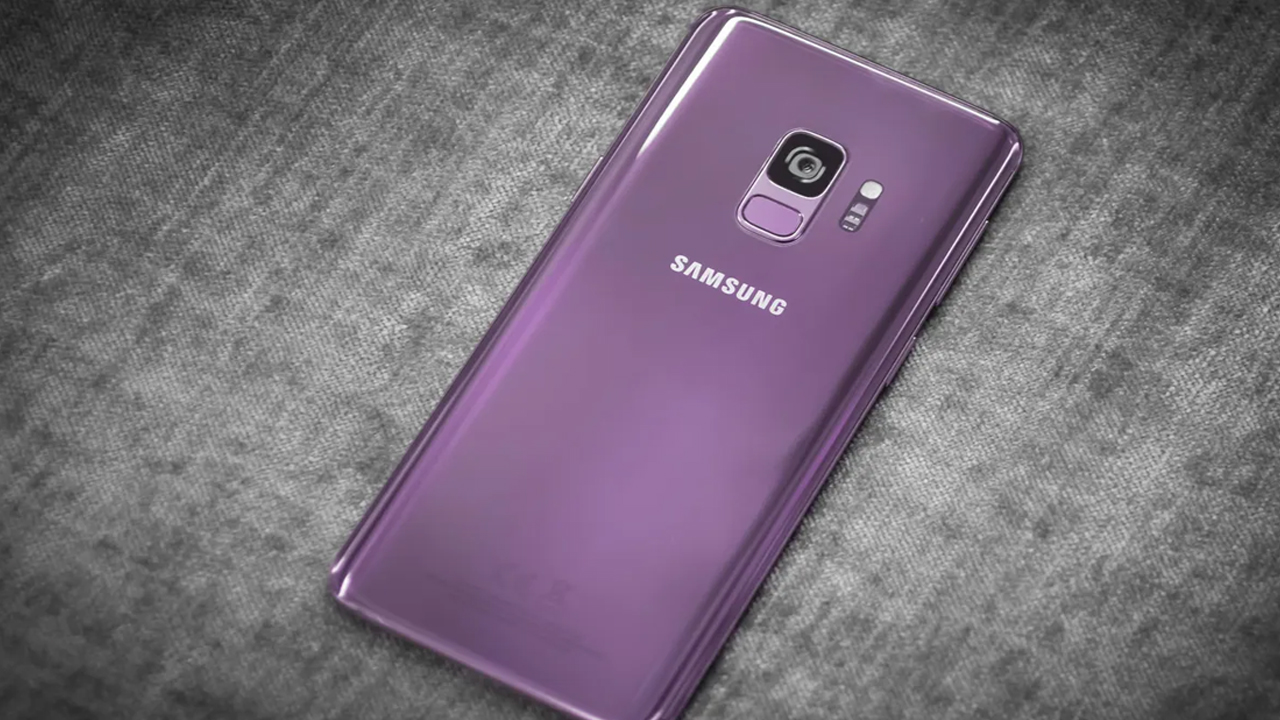
The Galaxy S9 introduced a physical dual-aperture camera system that could mechanically switch between two f-stop settings, giving the main lens a choice between a wider opening for low light and a narrower one for brighter scenes. In practice, that meant the phone could adapt its optics to the environment, rather than relying only on software tricks, and it allowed users to capture cleaner night shots while still preserving detail in daylight without blowing out highlights.
That hardware system is now being described as a “forgotten” capability in reporting that looks back at how the Galaxy S9 briefly pushed smartphone photography toward more traditional camera design. Coverage notes that Samsung had variable aperture on a Galaxy phone before Apple, and that the company effectively walked away from a feature it had already proven in a mass-market flagship, which raises the stakes for any decision to bring it back as rivals move toward similar solutions.
New reports that Samsung might revive variable aperture
Fresh leaks indicate that Samsung “might revive” the Galaxy S9 camera feature for its “future phones,” with new high-end models reportedly being evaluated for a return of dual-aperture hardware. According to reporting that focuses on Samsung’s roadmap for upcoming flagships, the company is again looking at mechanical aperture blades as part of its main camera module, rather than limiting upgrades to sensor size or software processing alone, which would mark a notable shift in how it approaches premium imaging.
A separate report states that “Samsung may revive a forgotten Galaxy S9 camera feature,” explicitly tying the rumored change to the same dual-aperture system that allowed the S9 to switch between two f-stop values on the fly. Those accounts frame the potential comeback as a deliberate return of variable or dual-aperture camera hardware, not just a marketing tweak, suggesting that Samsung sees renewed value in giving users more optical control at a time when computational photography has started to feel similar across competing flagships.
Connection to Apple’s rumored iPhone 18 Pro camera plans
New leaks also suggest that the iPhone 18 Pro could adopt a variable aperture camera system, with Apple reportedly preparing its own take on hardware that can adjust the lens opening for different shooting conditions. Reporting on those plans describes variable aperture as an “iPhone 18 Pro feature Galaxy had first,” underscoring that Samsung implemented a comparable idea on the Galaxy S9 years earlier and is now considering bringing it back just as Apple is said to be moving in the same direction.
Current coverage frames Samsung’s potential revival of the Galaxy S9 camera feature partly in the context of Apple’s rumored adoption of similar tech, positioning the move as both a defensive and offensive play in the ongoing camera race. If Apple markets variable aperture as a major leap for the iPhone 18 Pro, Samsung could counter by highlighting that it pioneered the concept on a Galaxy flagship and is now refining it for a new generation of devices, which would sharpen the competitive narrative for buyers deciding between the two ecosystems.
What has changed in Samsung’s camera strategy
After debuting the dual-aperture system on the Galaxy S9, Samsung eventually dropped that hardware from later Galaxy flagships, creating the gap that current reporting now highlights. Subsequent models leaned more heavily on larger sensors, higher megapixel counts, and aggressive computational photography, signaling a belief that software and sensor improvements could deliver enough low-light performance and background blur without the complexity of moving parts in the lens.
The new reports signal a shift in strategy, with Samsung again exploring hardware-based aperture control instead of relying solely on software processing to manage exposure and depth of field. By revisiting variable aperture, the company appears to be reassessing the balance between optical engineering and algorithms, a move that could influence how other Android manufacturers think about camera design if it proves that mechanical solutions still offer a meaningful edge in image quality and user control.
Potential impact on future Galaxy phones and competition
Reviving variable aperture could give Samsung a renewed marketing angle against Apple if the iPhone 18 Pro launches with similar tech, especially if both companies present adjustable optics as a defining feature of their top-tier phones. Reporting that describes variable aperture as an “iPhone 18 Pro feature Galaxy had first” suggests Samsung would be well positioned to argue that it is not copying Apple, but rather returning to an idea it introduced earlier and is now refining for a more mature era of smartphone photography.
Coverage that looks ahead to Samsung’s “future phones” positions this move as a way for upcoming Galaxy flagships to stand out in low-light photography and depth-of-field control, areas where hardware aperture changes can deliver visible differences in noise, sharpness, and background blur. Reporting that characterizes the dual-aperture system as a “forgotten” Galaxy S9 camera feature also hints that bringing it back could appeal to long-time Galaxy users who remember the original implementation, giving Samsung a way to tap into brand loyalty while also signaling that it is willing to revisit and improve past ideas when the competitive landscape makes them newly relevant.