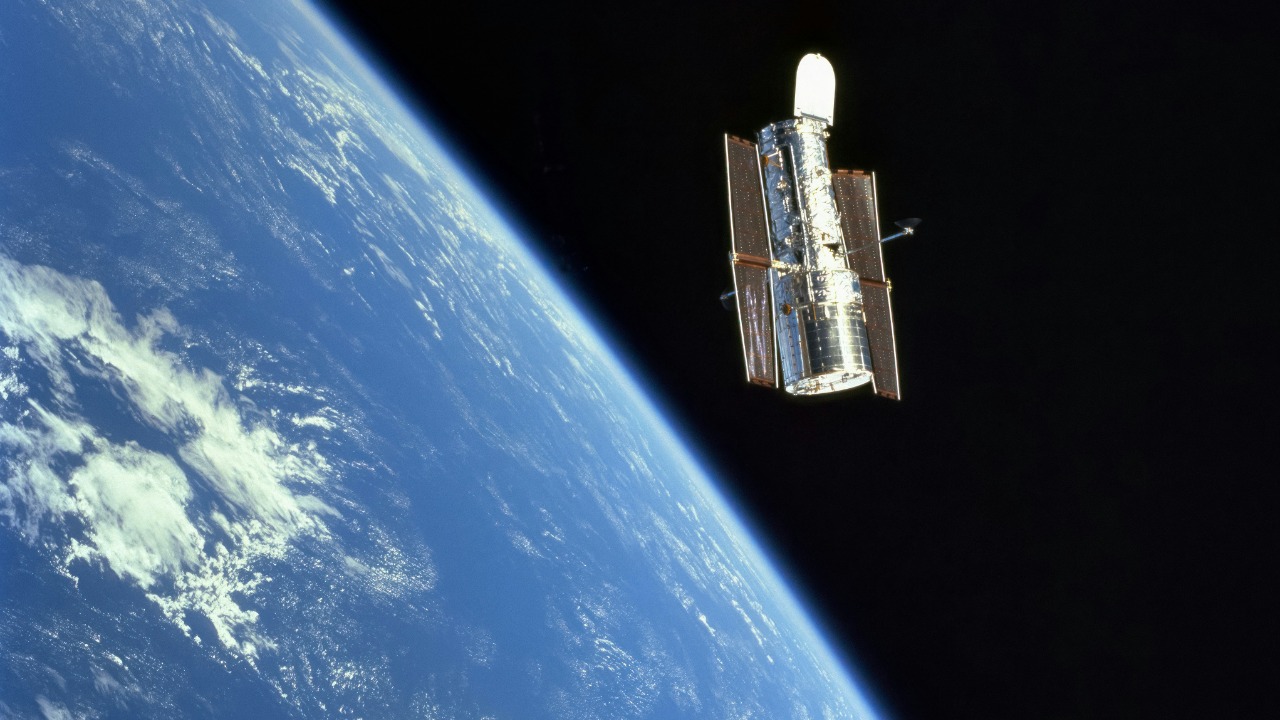

An astronaut aboard the International Space Station spent the week of Dec. 8–12, 2025, marveling at gorgeous “skies of blue and clouds of white,” capturing a vivid snapshot of Earth’s atmosphere from orbit just as the planet shifts into winter. The view followed closely on the heels of the last full moon of 2025, the so-called Cold Supermoon that lit up the autumn sky on Dec. 4 and set the tone for a busy month of skywatching. With that lunar spectacle fading, attention now turns to the Geminid meteor shower, which is expected to peak on Dec. 13–14 and has observers watching the weather as closely as the stars.
Reflecting on the Cold Supermoon
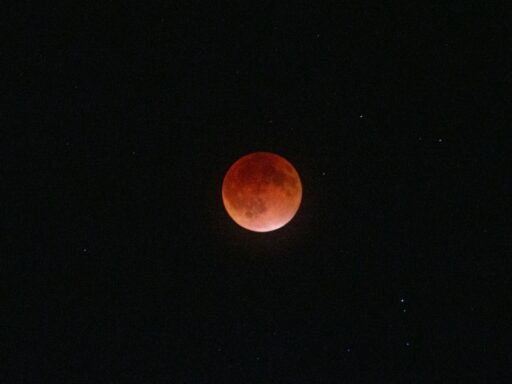
The final full moon of the year arrived as the Cold Supermoon, a bright, oversized lunar disk that signaled the transition into harsher winter viewing conditions across the Northern Hemisphere. As described in coverage of how the last full moon of 2025 as the ‘Cold Supermoon’ takes to the autumn sky on Dec. 4, the event combined the seasonal “cold” label with the supermoon effect, when the moon appears slightly larger and brighter because it is near perigee, the closest point to Earth in its orbit. For skywatchers, that combination meant a strikingly luminous moon that dominated the evening sky, washing the landscape in silvery light and offering a clear marker that autumn’s final observing window was closing.
Although the Cold Supermoon was a visual highlight, it also had practical implications for observers planning the rest of their December sessions. A full moon’s glare can overwhelm faint deep-sky objects and dimmer meteors, so the timing of this supermoon early in the month helped clear the way for darker skies later in December once the bright phase passed. Astronomers and casual stargazers alike used the event as a reminder to plan around lunar brightness, knowing that the moon’s phase would directly affect visibility for upcoming targets such as the Geminid meteor shower and late-autumn constellations. In that sense, the Cold Supermoon served as both a spectacle and a scheduling anchor, shaping how observers approached the rest of the month’s celestial calendar.
Astronaut’s Orbital Perspective This Week
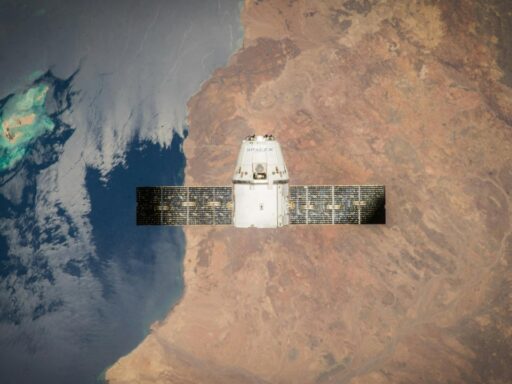
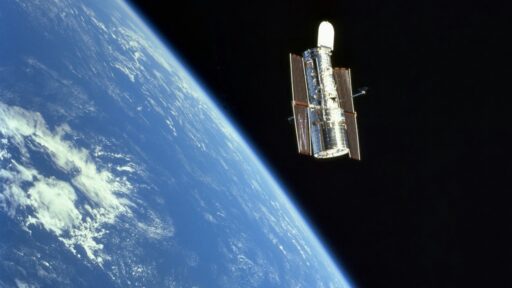
While observers on the ground were still talking about the Cold Supermoon, an astronaut aboard the International Space Station spent Dec. 8–12 focusing on a different kind of beauty, describing “gorgeous skies of blue and clouds of white” as the orbital outpost circled Earth. Reporting on how an astronaut sees gorgeous ‘skies of blue and clouds of white’ on the International Space Station this week Dec. 8-12, 2025 highlighted that this week’s standout moment was not a complex experiment or hardware upgrade but a simple, awe-filled look out the window. The astronaut’s description echoed the familiar lyrics that celebrate blue skies and white clouds, yet from orbit those features become sweeping atmospheric bands and towering storm systems, revealing patterns that are impossible to grasp from the ground.
That vantage point is more than poetic, because the same views that inspire astronauts also feed into real-time monitoring of Earth’s weather and climate. When an astronaut remarks on the clarity of blue skies or the intricate structure of cloud decks, those impressions often align with instrument readings that track storm development, jet stream shifts, and seasonal transitions across continents. The focus on “skies of blue and clouds of white” during this particular week underscored how the station’s crew can pivot from laboratory work to Earth observation, providing context for satellite data and helping scientists interpret how large-scale weather systems evolve. For policymakers and researchers concerned with climate trends, each such observing campaign adds another layer of human insight to the numerical models that guide forecasts and long-term planning.
Gearing Up for the Geminid Peak
Attention is now turning to the Geminid meteor shower, which is expected to peak on Dec. 13–14 and is widely regarded as one of the most reliable annual displays of shooting stars. Forecasts examining the Geminid meteor shower forecast 2025, asking will skies be clear across the US on Dec. 13–14, focus heavily on cloud cover and regional weather patterns, because even a strong shower can be spoiled by overcast skies. With the Cold Supermoon already past, the moon’s waning phase should reduce skyglow during the peak, giving observers a darker backdrop that can reveal more of the Geminids’ typically bright, medium-speed meteors streaking from the constellation Gemini.
For those planning to watch, the best strategy is to seek out dark, open locations far from city lights, such as rural parks, national forest pullouts, or designated dark-sky preserves that limit artificial illumination. Observers are usually advised to give their eyes at least 20 to 30 minutes to adapt to the darkness, avoid looking at phone screens, and use simple gear like reclining camp chairs and warm clothing rather than telescopes, which restrict the field of view. The main challenge, beyond local light pollution, will be the patchwork of clouds and regional weather systems that the forecast highlights, so flexibility is crucial, with some skywatchers prepared to drive an hour or two to reach clearer skies. For communities that promote astro-tourism, from small towns near national parks to organized star parties, a favorable Geminid forecast can translate into a noticeable boost in visitors and nighttime activity.
From Moonlight to Meteors: Why Timing Matters
The sequence from the Cold Supermoon to the astronaut’s week of Earth observation and then to the Geminid peak illustrates how timing shapes what both professionals and amateurs can see. A bright full moon early in the month provided a dramatic, easily accessible target that required no special equipment, while its subsequent waning phase opened a darker window for more subtle phenomena like meteor showers and faint star clusters. On orbit, the astronaut’s appreciation of “skies of blue and clouds of white” during Dec. 8–12 coincided with this transition, offering a reminder that Earth’s atmosphere is both the canvas for ground-based observing and the subject of continuous study from space.
For observers on the ground, understanding this rhythm helps set realistic expectations and encourages planning that aligns with the sky’s natural cycles. Families scheduling a backyard viewing session, photographers chasing long-exposure meteor shots, and educators organizing school star parties all benefit from knowing how lunar brightness, weather forecasts, and orbital observations intersect. By treating the Cold Supermoon as a kickoff, the International Space Station’s vantage point as a real-time monitor, and the Geminid meteor shower as the month’s capstone event, I see December’s sky as a connected story rather than a series of isolated spectacles, one that rewards anyone willing to look up at the right moment.