
President-elect Donald Trump has vowed to rebuild what he calls the “terrible” Washington Dulles Airport through a major redesign, casting the project as an “amazing plan” to fix what he describes as a “bad” facility. His pledge signals a fresh commitment to infrastructure overhaul in the Washington, D.C., area, with a particular focus on transforming the aging international hub into a modern gateway. The announcement underscores Trump’s intent to prioritize aviation upgrades early in his upcoming term, elevating Dulles as a test case for his broader infrastructure agenda.
Trump’s Announcement
Donald Trump has moved Washington Dulles International Airport to the center of his infrastructure message by publicly vowing to rebuild the facility from the ground up and labeling it “terrible” to underscore the urgency of action. In his remarks, he framed Dulles as a symbol of what he sees as decaying U.S. transportation assets, arguing that the airport’s current condition is unacceptable for a capital-region gateway that handles international traffic and serves as a first impression of the United States for many travelers. By choosing such stark language, Trump is signaling that he views the airport’s problems as structural rather than cosmetic, and that he intends to use the presidency to push for a comprehensive fix rather than another round of short-term repairs.
Trump has also described an “amazing plan” to redesign what he has repeatedly called a “bad” Dulles airport, presenting the proposal as a clear break from past maintenance-focused efforts that left core issues unresolved. According to his comments, the redesign would not be limited to patching aging terminals or updating signage, but would instead represent a major reconstruction that rethinks how passengers move through the airport and how airlines operate there, a vision that has been highlighted in coverage of his “amazing plan” to redesign “bad” Dulles airport. The timing of this vow, coming after his election victory and before he takes office, positions Dulles as one of his earliest infrastructure priorities and marks the first time he has singled out this specific airport after months of broader, less detailed promises about rebuilding America’s roads, bridges, and runways.
Airport’s Current Challenges
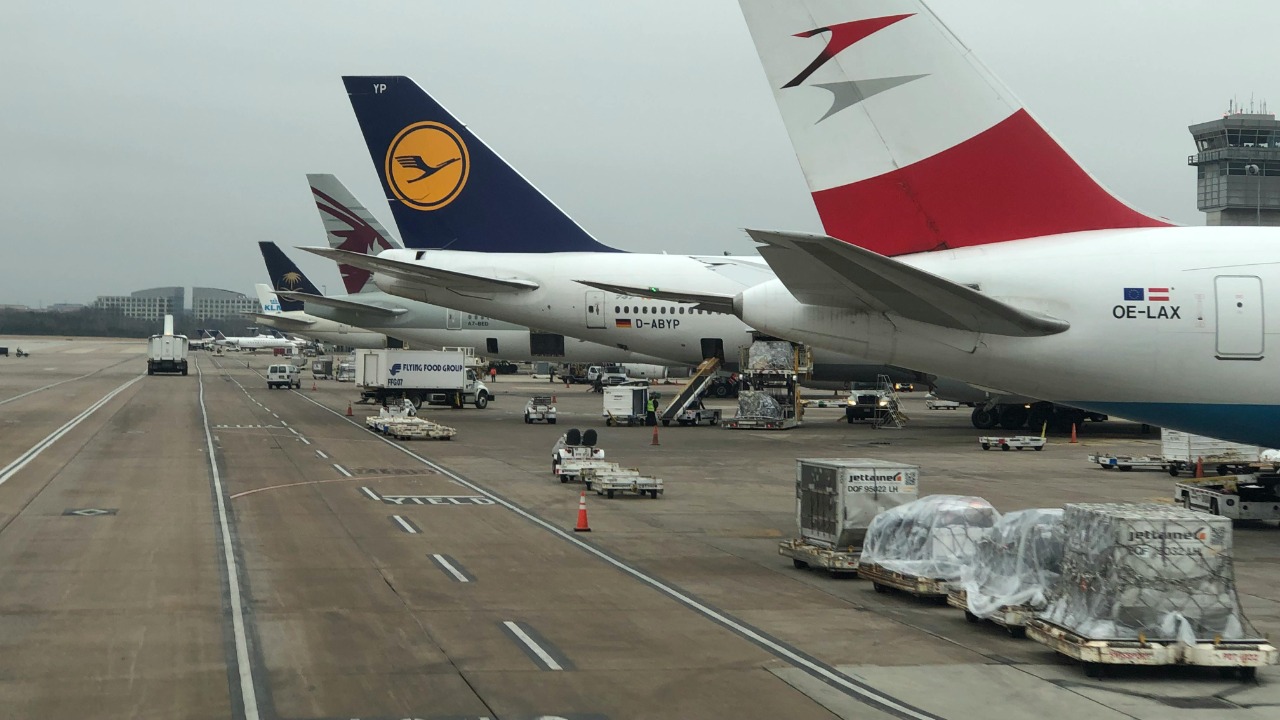
Trump’s characterization of Washington Dulles Airport as a “bad” and “terrible” facility reflects a broader perception that the airport has struggled with aging infrastructure, dated passenger facilities, and operational bottlenecks that frustrate travelers. While his language is blunt, it aligns with long-standing complaints about long walking distances, crowded security checkpoints, and an overall layout that can feel confusing and inefficient for both domestic and international passengers. By tying his critique directly to the airport’s reputation, Trump is effectively arguing that Dulles has fallen behind competing hubs in the United States and abroad, and that its current condition undermines the travel experience for business flyers, tourists, and connecting passengers who rely on the Washington region as a transit point.
Reporting on his vow to rebuild the “terrible” Washington Dulles Airport in a major redesign notes that Trump is using the airport’s structural and user experience problems as justification for a sweeping overhaul rather than incremental fixes, emphasizing that the facility’s current state is no longer compatible with modern expectations for a global hub. In that coverage, his pledge to rebuild “terrible” Washington Dulles Airport in a major redesign is framed as a response to persistent operational issues that have affected airlines and passengers, from outdated concourses to congestion that can ripple across national flight networks. For stakeholders, including carriers that use Dulles as a key Washington-area hub and travelers who depend on its international connections, the stakes are significant, since a failure to address these challenges could push traffic to rival airports and weaken the region’s role in global aviation.
Proposed Redesign Vision
Trump’s proposed major redesign of Washington Dulles Airport is built around the idea of full rebuilding rather than piecemeal upgrades, a scope that he has repeatedly stressed in his public comments. The plan he has described would treat Dulles as a comprehensive project, with attention to terminals, passenger circulation, and airside operations, rather than focusing on a single concourse or runway. By framing the effort as a “major redesign” and a complete rebuild, Trump is signaling to local leaders, federal agencies, and private partners that he expects a long-term, capital-intensive project that could reshape how the airport functions for decades, rather than a short-term facelift that leaves core design flaws intact.
Within that broad vision, Trump’s “amazing plan” is described as an effort to modernize facilities so that Dulles can move from its current “bad” status to what he calls a world-class gateway, with upgraded amenities and more efficient passenger flows that match or exceed those at newer international hubs. Coverage of his remarks on the redesign notes that he has linked the project to a larger push for aviation modernization, suggesting that federal involvement could come through funding, regulatory support, or coordination with airport authorities as he refines his infrastructure agenda. For airlines, airport workers, and regional planners, the prospect of a federally backed redesign raises questions about timelines, construction phasing, and how the project might integrate with existing plans for terminal improvements and ground transportation links, but it also offers the possibility of a transformative investment that could enhance competitiveness and reliability across the network.
Implications for Stakeholders
The vow to rebuild Washington Dulles Airport carries immediate implications for local and national aviation users, who could see improved efficiency and reliability if Trump’s major redesign moves from rhetoric to implementation. For passengers, a rebuilt Dulles could mean shorter connection times, clearer wayfinding, and upgraded security and customs facilities that reduce delays, particularly for international arrivals that currently face long lines and complex transfers. Airlines that rely on Dulles as a hub would stand to benefit from more efficient gate layouts and better integration between terminals and airside operations, which could support more reliable schedules and potentially open the door to new routes that are currently constrained by infrastructure limitations.
Regulators and airport authorities are also central stakeholders, since any major redesign would require coordination on safety standards, environmental reviews, and funding mechanisms that align federal priorities with local needs. Trump’s repeated references to the “terrible” conditions at Dulles and his insistence on a comprehensive rebuild suggest that he expects regulatory and planning bodies to move quickly, positioning the project as a time-sensitive initiative compared with prior airport upgrades that stalled or advanced only in small phases. For the broader D.C. economy, a large-scale reconstruction of Dulles could generate construction jobs, stimulate demand for local services, and strengthen the region’s appeal as a destination for international conferences and tourism, reinforcing the idea that the airport’s transformation is not just about aesthetics but about long-term economic competitiveness.