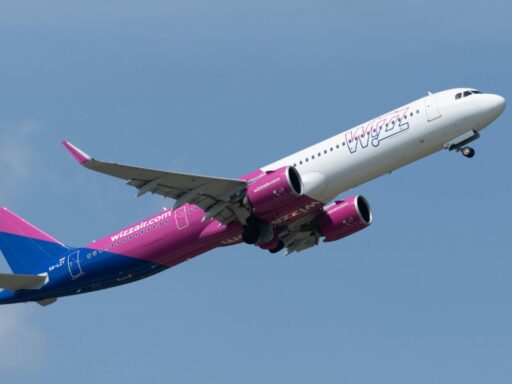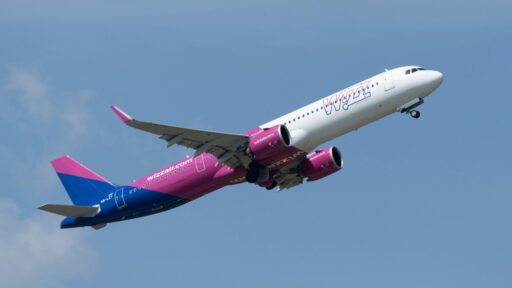
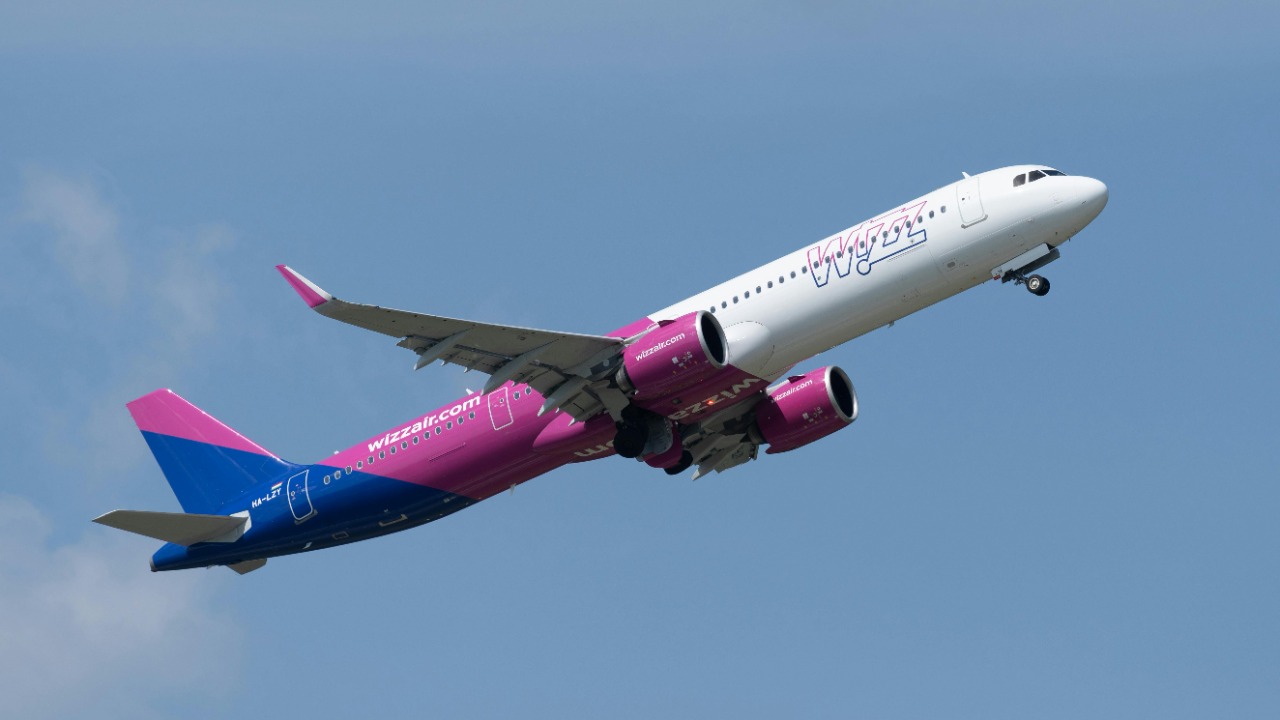

Wizz Air has acquired slots from TUI at London Luton Airport, enabling the low-cost carrier to expand its operations and launch six new summer routes from its growing UK base. The transfer supports the deployment of a 15th based aircraft at Luton, reinforcing Wizz Air’s position as the leading airline at the airport and a major player in the wider London market. The move follows TUI’s decision to scale back short-haul flying from Luton, opening up valuable infrastructure that Wizz Air can use to grow capacity and frequencies ahead of the peak holiday season.
Slot Acquisition from TUI
Wizz Air’s acquisition of London Luton Airport slots from TUI is described as a pivotal step that allows the carrier to consolidate its dominance at the airport, with the new slots enabling both additional flights and higher frequencies on existing routes. Reporting on the deal notes that the transfer of these take-off and landing rights gives Wizz Air access to peak-time slots that are particularly scarce at capacity-constrained Luton, which in turn supports its strategy to “dominate London Luton” through more intensive use of its growing fleet based there, as highlighted in coverage of how Wizz Air dominates London Luton with TUI slot acquisition. By securing these slots from an incumbent leisure operator, Wizz Air can schedule more early-morning departures and late-evening returns that are attractive to both price-sensitive leisure travelers and those seeking weekend or short-break options.
The slot transfer is directly linked to TUI’s strategic shift away from short-haul operations at Luton, with the tour operator choosing to focus more of its flying on long-haul and other bases rather than competing head-to-head with ultra-low-cost carriers on point-to-point European routes. According to detailed accounts of the transaction, TUI’s decision to release these slots has effectively cleared the way for Wizz Air to expand its network and increase market share at Luton, with one report explaining that Wizz Air is using the acquired capacity to underpin a broader plan to grow its presence in the London area and strengthen its position against rivals that are more constrained by slot availability, as described in coverage of how Wizz Air acquires TUI slots to expand its Luton airport network at Travel Weekly’s report on the Luton airport network expansion. For passengers and the local market, this shift means that capacity previously tied to package-focused flying is being redeployed into a higher-frequency, low-fare model that can stimulate demand and intensify competition on key leisure routes.
Launch of New Summer Routes
The newly acquired slots are being put to immediate use through the launch of six additional summer routes from London Luton, with Wizz Air targeting high-demand leisure destinations across Europe that appeal to UK holidaymakers. Reports on the expansion explain that these routes are structured around peak summer travel patterns, with schedules designed to capture outbound demand from the UK as well as inbound traffic from popular sun and city destinations, and one detailed account of the move notes that Wizz Air is explicitly using the extra capacity to broaden its Luton network and introduce more choice for passengers, as set out in the analysis of how Wizz Air expands its Luton network after acquiring TUI slots and launches more routes at AeroTime’s coverage of the expanded Luton network and new routes. By focusing these six routes on leisure-heavy markets, the airline is aiming to capture travelers who might otherwise have flown from other London airports or chosen rival carriers.
These new services are framed as part of Wizz Air’s broader effort to offer more affordable travel options from Luton in time for the upcoming summer season, with the airline using its ultra-low-cost model to translate the slot gains into lower fares and higher seat availability. Reporting on the expansion stresses that the six routes are being layered on top of an already extensive Luton schedule, which means passengers will see not only new destinations but also improved connectivity and more departure-time options to existing holiday hotspots, as outlined in the detailed description of how Wizz Air expands its Luton base with TUI slot acquisition and six new summer routes at LARA’s report on the six new summer routes from Luton. For the wider market, the addition of these routes signals that Wizz Air is using every available slot to push deeper into leisure demand, which could pressure competitors to match capacity or adjust pricing on overlapping city pairs.
Expansion of Luton Base Operations
Central to the slot deal is the introduction of Wizz Air’s 15th based aircraft at London Luton, a milestone that underscores how rapidly the airline has scaled its operations at the airport. According to detailed reporting on the move, the carrier is stationing this additional aircraft at Luton specifically to operate flights made possible by the TUI slot acquisition, which allows Wizz Air to increase daily rotations and better utilize its crews and ground infrastructure, as highlighted in the announcement that Wizz Air acquires London Luton Airport slots from TUI, launching its 15th based aircraft at Breaking Travel News’ coverage of the 15th based aircraft at Luton. The extra aircraft gives Wizz Air more operational resilience, since it can absorb schedule disruptions and maintenance requirements without cutting as deeply into its timetable.
With 15 aircraft now based at Luton, Wizz Air is able to handle more passengers and routes without relying as heavily on aircraft ferried in from other airports, which reduces positioning flights and improves on-time performance. Reports on the expansion emphasize that the additional based capacity translates into greater scheduling flexibility, because the airline can now spread departures more evenly across the day and respond more quickly to shifts in demand or operational constraints, as described in the broader analysis of how Wizz Air expands its Luton base with TUI slot acquisition and six new summer routes at LARA’s detailed look at the Luton base expansion. For travelers, this means more flight options at convenient times, while for the airport and local economy, a larger based fleet typically supports additional jobs in ground handling, maintenance, and customer service.
Stakeholder Impacts and Market Shifts
For passengers, Wizz Air’s enlarged slot portfolio and 15-strong based fleet at Luton are expected to deliver a combination of lower fares, more destinations, and greater frequency on popular routes. Coverage of the slot acquisition and route launches notes that the airline’s ultra-low-cost model is built around high aircraft utilization and dense seating, which allows it to pass on savings in the form of competitive ticket prices, particularly on the six new summer routes that are being introduced using the ex-TUI slots, as set out in the analysis of how Wizz Air expands its Luton network after acquiring TUI slots and launches more routes at AeroTime’s report on the network expansion and new routes. Increased competition on short-haul leisure routes from Luton could also encourage other carriers to sharpen their pricing or improve service quality, which would further benefit consumers.
The competitive landscape at Luton is shifting as a result of TUI’s repositioning and Wizz Air’s aggressive growth, with reports describing Wizz Air as the leading operator at the airport following the slot transfer and base expansion. Detailed accounts of the deal explain that TUI’s move to focus more on long-haul and reduce its short-haul footprint at Luton has effectively ceded ground to Wizz Air in the point-to-point leisure market, while also freeing up scarce slots that Wizz Air can deploy more intensively, as highlighted in the overview of how Wizz Air dominates London Luton with TUI slot acquisition at AeroXplorer’s examination of Wizz Air’s dominance at London Luton. For Luton Airport and the broader London aviation market, this shift underscores a wider trend in which ultra-low-cost carriers are consolidating their positions at secondary airports, using slot acquisitions and based-aircraft growth to build scale that can be difficult for traditional tour operators and full-service airlines to match.