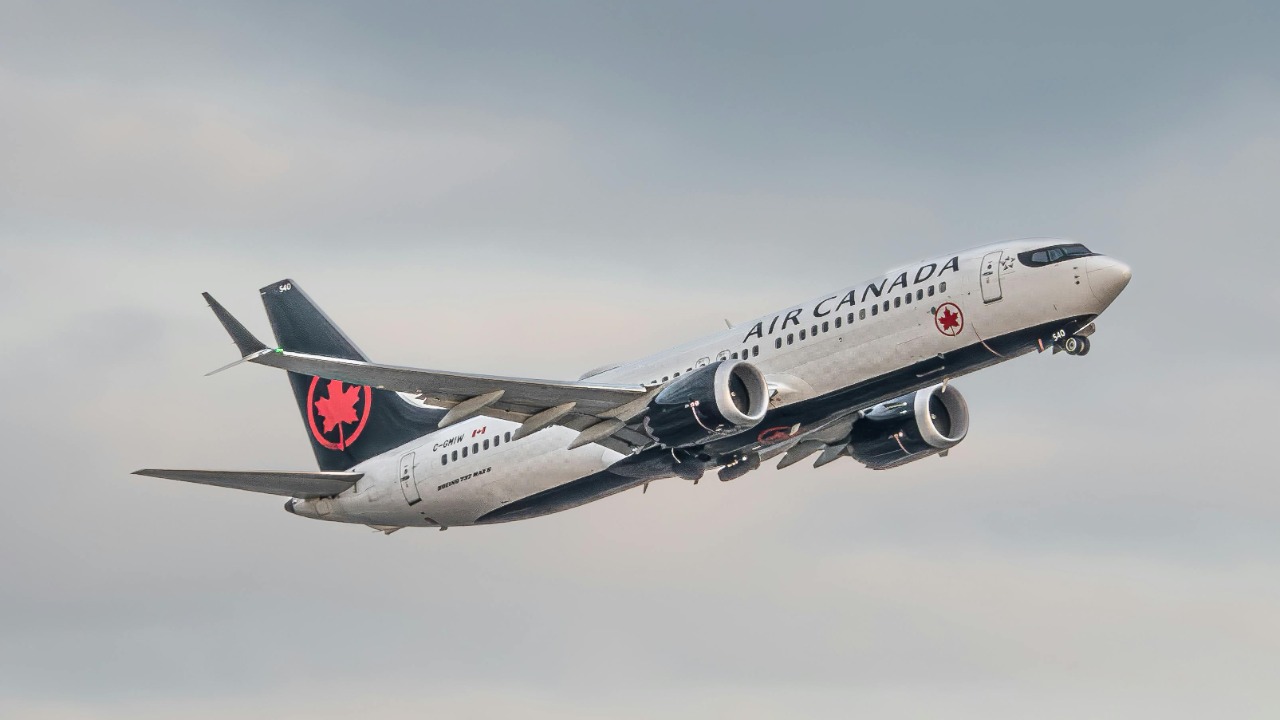

Vueling is trying to do two things at once: sketch a long‑term vision to 2035 and choreograph the arrival of a new Boeing 737 MAX fleet that will reshape how it flies across Europe. The Barcelona based low cost carrier is no longer just tweaking schedules or adding seasonal routes, it is tying its growth, sustainability goals, and competitive positioning to a detailed aircraft transition plan. That combination of a distant horizon and a very specific delivery calendar is what makes its new roadmap worth watching.
Barcelona at the center of a 2035 growth map
The backbone of the strategy is geographic, not just technical. Vueling is explicitly treating Barcelona as the axis of its new plan, betting that a dense short haul network built around the Catalan capital can still grow in a market that already feels crowded. The airline is positioning itself as the Barcelona based low cost carrier within International Airl, using its home city as a brand and operational anchor rather than simply one hub among many, and that choice shapes everything from fleet size to slot strategy.
That focus comes with ambitious volume targets. Vueling and its parent IAG are talking about carrying up to 60 m passengers a year through this network, a figure that would push the carrier deeper into the top tier of European budget operators and intensify pressure on rivals that also rely on Mediterranean leisure flows. The commitment to Barcelona is not just sentimental, it is a way to justify infrastructure investment and to defend key airport positions as the airline executes its 2035 roadmap and prepares for the arrival of the B737 MAX aircraft that will operate side by side with its existing Airbus fleet, a duality highlighted in detailed planning shared by Jan Ros in UTC aligned reporting.
From Airbus loyalist to Boeing customer
For years, Vueling was shorthand for an Airbus only narrowbody operation, a neat, simplified fleet that fit the broader IAG pattern after British Airways retired its own Boeing single aisles. The decision to introduce the Boeing 737 MAX breaks that mold and marks the return of Boeing narrowbodies to the IAG Group, a shift that signals both commercial pragmatism and a willingness to live with the added complexity of a mixed fleet. In practical terms, it means pilots, engineers, and planners will have to manage two families of aircraft on the same short haul network, something the airline is presenting as a manageable trade off for better economics and delivery slots.
The pivot is rooted in a group level order. International Airlines Group decided earlier in the decade to secure a batch of 737 M aircraft from Boeing, and that commitment has now been firmly tied to Vueling rather than spread across other brands. The move to Boeing represents a fleet diversification strategy that reverses the previous Airbus only stance and reopens a relationship with the US manufacturer that had last been visible in the group through British Airways, a context that underscores how significant it is for a Spanish LCC like Vueli to become the primary operator of these MAX jets within IAG.
The 50 aircraft MAX package and its variants
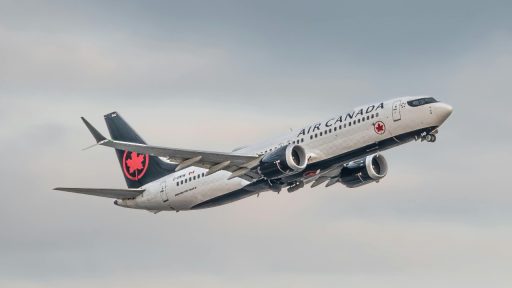
The hardware at the heart of the plan is a clearly defined block of aircraft. International Airlines Group and IAG have confirmed that 50 Boeing 737 M jets are earmarked for Vueling, a number large enough to matter for unit costs but still modest compared with the airline’s total Airbus narrowbody fleet. I see that allocation as a deliberate test size, big enough to standardize training and maintenance around the type but not so large that the group is locked into a single technology path if market or regulatory conditions change again around the MAX family.
Within that 50 aircraft package, the mix of variants is tailored to Vueling’s dense leisure and city pair markets. The order is split between 25 Boeing 737 8 200s and 25 737 MAX 10s, giving the airline a combination of high density layouts for peak summer routes and slightly larger airframes for slot constrained airports where adding seats is the only way to grow. Training material for crews already references 50 737 M units, with a focus on how the MAX configuration can deliver greater fuel efficiency and capacity compared with the Airbus aircraft they will gradually replace, a detail that ties the fleet plan directly to the 2035 efficiency narrative.
A staged rollout calendar to 2035
The calendar for bringing these jets into service is as important as the raw numbers. Vueling is not flipping a switch, it is phasing the Boeing 737 MAX into its schedule so that Airbus and MAX aircraft operate side by side during the transition, a coexistence that Jan Ros has described as central to the roadmap. In my view, that staggered approach is the only realistic way to protect operational reliability while crews adapt to new procedures and while the airline refines which routes are best suited to each variant.
However, the aspect of Vueling’s strategy that perhaps has attracted most attention from industry analysts is the way this rollout is synchronized with broader group decisions. Earlier planning documents from IAG made clear that the 2022 commitment for 50 MAX units would be assigned to its Spanish LCC subsidiary, and more recent updates confirm that Vueling will operate the full 50 aircraft order that was originally placed at group level. That means the delivery stream of 737 M jets, from the first 737 8 200 to the last MAX 10, is effectively locked to Vueling’s own 2035 growth curve, rather than being a flexible pool that could be diverted to other carriers in the portfolio.
Competitive and operational stakes of the MAX era
What emerges from this combination of geography, fleet choice, and timing is a sharper competitive profile. By anchoring its future in Barcelona and tying its growth to a defined batch of Boeing MAX aircraft, Vueling is signaling that it wants to be more than a regional feeder inside IAG. It is positioning itself as a volume leader in southern Europe, using the 737 M economics to go after price sensitive leisure travelers while still offering enough frequency for business heavy city pairs. The fact that Vueling is committed to Barcelona as the axis of its new strategic plan, while targeting 60 m passengers, suggests a deliberate attempt to match or exceed the scale of other pan European low cost brands that have long dominated the Mediterranean.
Operationally, the stakes are just as high. Introducing Boeing into what had been an Airbus only environment will require new simulator capacity, revised maintenance contracts, and careful crew rostering so that MAX qualified pilots are available where the aircraft are based. Training providers already describe how IAG allocated 50 of its Boeing 737 M order to Vueling, underlining that the airline will be the group’s center of gravity for MAX expertise. In my assessment, if Vueling can manage that complexity while keeping reliability high and unit costs low, its 2035 roadmap will look less like a gamble and more like a template for how multi brand groups can use a single low cost carrier to absorb the risks and rewards of a new aircraft family.